The age of a home has a significant and often underestimated influence on which heating and cooling systems in Bacchus Marsh work well in it, which systems are practical to install, and how much any system will cost to run. If you are weighing up your options for a home that is not brand new, understanding these factors will help you make a much better decision.
How Does Your Home’s Age Affect Heating and Cooling?
A heating or cooling system does not operate in isolation. Its performance is directly shaped by the building it is installed in. Insulation levels, ceiling heights, window types, wall construction, and the presence or absence of existing ductwork all determine how efficiently a given system can heat or cool the space. Older homes were built to different standards and with different materials, which creates both challenges and, in some cases, genuine advantages.
Insulation Standards Have Changed Dramatically
Australia’s residential building code requirements for insulation have strengthened considerably over the decades. Homes built before the mid-1990s were often constructed with little to no wall insulation and minimal ceiling insulation by today’s standards. Homes built before 1980 may have no insulation at all in walls and only basic ceiling batts if they have any.
- Pre-1980 homes: Very likely to have little or no wall insulation, and ceiling insulation if present is likely well below current R-values. Heat loss in winter and heat gain in summer are substantial, meaning any system has to work significantly harder to maintain a comfortable temperature.
- 1980s to mid-1990s homes: Ceiling insulation is more common but still typically below current standards. Wall insulation is still uncommon in brick veneer construction of this era.
- Post-2000 homes: More consistent ceiling and wall insulation, though the introduction of NatHERS energy ratings for new homes only became standard from around 2003 in Victoria. Homes built to comply with current 7-star NatHERS requirements are significantly better insulated than anything built before 2022.
- What this means practically: In a poorly insulated older home, upgrading the insulation before or alongside a new heating or cooling system is often the most cost-effective thing you can do. A correctly sized system in a well-insulated home will use significantly less energy and run for shorter periods than the same system in a leaky, uninsulated building.
Ceiling Height and Room Volume
Older homes, particularly those built in the Federation and interwar periods, often have high ceilings of three metres or more. These ceilings are architecturally attractive but create a larger air volume that requires more energy to heat or cool. Reverse cycle systems and ducted gas heaters need to be sized to account for ceiling height, not just floor area.
- High ceilings and heating: Heat rises, so high-ceilinged rooms can feel cold at floor level even when the air temperature at ceiling height is adequate. Systems with good air mixing, such as ducted heating with correctly positioned registers, perform better in these spaces than wall-mounted units blowing warm air across the top of the room.
- High ceilings and cooling: Evaporative coolers perform well in high-ceilinged rooms with good ventilation. The additional air volume is less of a penalty for evaporative cooling than for refrigerative systems, because evaporative cooling in Bacchus Marsh relies on air movement rather than temperature reduction of a closed volume.
Existing Ductwork: Asset or Liability?
Many older homes that have been through one or more heating upgrades already have ductwork in the roof space or under the floor. Whether this existing ductwork is an asset or a liability depends entirely on its condition and configuration.
- Old sheet metal ductwork: Common in homes from the 1970s through to the 1990s. Can be in reasonable condition if the system it served was maintained, but joints are often poorly sealed and insulation on external duct runs is frequently degraded or absent. May be worth retaining if a thorough inspection confirms it is structurally sound and can be properly sealed and re-insulated.
- Old flexible ductwork: Flexible duct from the 1980s and early 1990s can become brittle and collapse over time. Sections that have collapsed restrict airflow severely. In many cases, replacing old flexible duct entirely is cheaper than attempting repairs.
- No existing ductwork: If a home has never had ducted heating or cooling, the cost and disruption of installing a new ducted system must be weighed against alternatives. In some older homes with limited roof access, installing ductwork is genuinely difficult and expensive. Split systems or wall furnaces may be more practical.
Window Types and Draught Sealing
Older timber-framed single-glazed windows are a significant source of heat loss in winter and heat gain in summer. They also allow cold draughts that can make a heated room feel uncomfortable regardless of the system running. Double glazing is increasingly common in renovations but is rarely original in homes built before the 2000s in regional Victoria.
- Draught sealing is high value: Before investing in a new heating or cooling system, draught sealing doors, windows, exhaust fans, and other gaps is one of the most cost-effective improvements available. A well-draught-sealed older home performs markedly better than an unsealed one, regardless of the heating or cooling system installed.
- Window treatments matter: Heavy curtains with pelmets reduce heat transfer through single-glazed windows significantly. In older homes that are not practical to double-glaze, good window treatments can make a meaningful difference to system running costs.
Which Systems Work Best in Older Homes?
There is no single answer, because the right system depends on the specific characteristics of each home. However, there are some general patterns that apply across most older properties.
Evaporative Cooling
Evaporative cooling is particularly well-suited to older homes that have natural ventilation pathways. These systems work by drawing outside air through water-saturated pads, cooling it through evaporation, and distributing it through the home. They require windows or doors to be open to allow the cooled air to push the warm air out, which suits older homes that tend to be less airtight than modern construction.
- Advantages for older homes: Lower running costs than refrigerative cooling, introduces fresh air rather than recirculating it, and performs well in homes with high ceilings and good airflow.
- Limitations: Ineffective on very humid days (above approximately 35% relative humidity), not suitable for homes that are fully sealed or insulated to modern standards, and requires roof access for installation and regular maintenance.
Ducted Gas Heating
Ducted gas heating remains a practical and effective choice for older homes, particularly those that already have natural gas connected. It heats large volumes of air quickly, which suits high-ceilinged rooms, and the ductwork distributes heat throughout the home evenly when correctly installed.
- Key consideration: The efficiency of a ducted gas system is heavily influenced by the condition of the ductwork and the star rating of the unit. A 5-star or 6-star rated unit installed with well-sealed, insulated ductwork in a properly draught-sealed home performs very differently from a 3-star unit pushing air through leaky ducts in an unsealed building.
- Retrofitting ductwork: In older homes without existing ductwork, the cost of a full ducted installation can be substantial. A detailed quote that includes duct design is essential before committing.
Reverse Cycle Split Systems
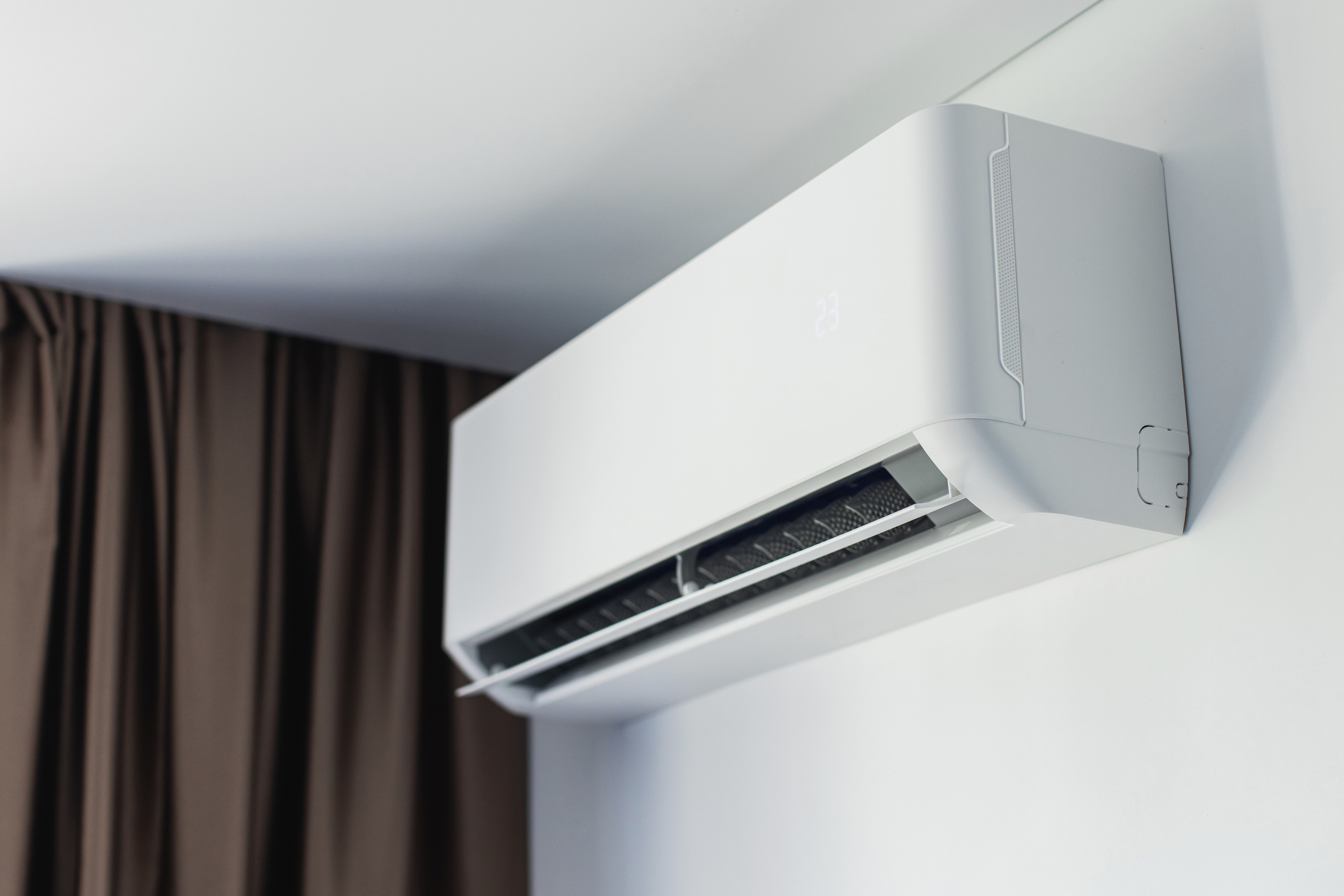
Reverse cycle split systems provide both heating and cooling from a single unit and are a practical choice for older homes where ducted installation is not feasible. Modern inverter-driven split systems are highly efficient, and their Coefficient of Performance (COP) for heating typically ranges from 3.0 to 5.0, meaning they deliver three to five units of heat energy for every unit of electricity consumed.
- Sizing for older homes: Because older homes typically have higher heat loads due to insulation and draught issues, a split system needs to be sized accordingly. A unit that is correctly sized for a well-insulated modern room of the same floor area may be inadequate for the same room in an older, leakier building.
- Multiple units: In a large older home, a single split system is unlikely to condition the whole building. A multi-head system or zone-by-zone approach with individual units may be more practical than a full ducted installation.
Wall Furnaces and Space Heaters
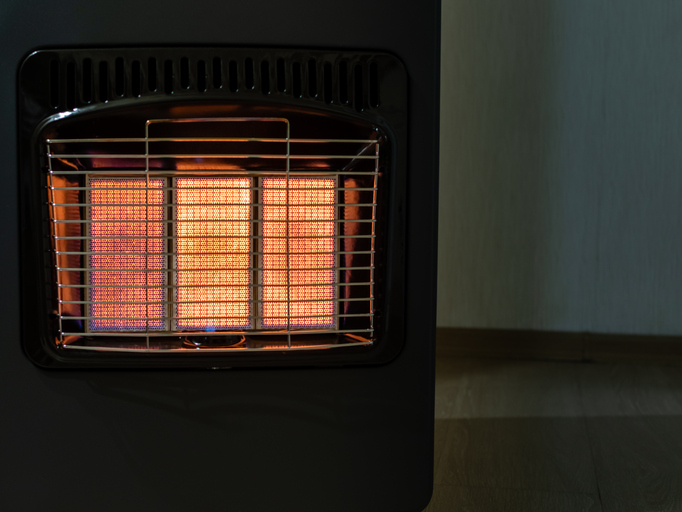
Wall furnaces and space heaters are a long-standing feature of older Victorian homes and remain in service in many properties. They are effective at heating a single room or open-plan area quickly and are relatively inexpensive to run for the space they heat. However, they do not provide cooling, and older units may have lower efficiency ratings than current models.
- Replacement considerations: If an existing wall furnace is more than 15 years old or showing signs of reduced efficiency or fault, replacing it with a current high-efficiency model from the same flue position is generally straightforward and cost-effective.
- Safety note: Older unflued gas heaters should be assessed by a licensed gasfitter. Unflued heaters add moisture and combustion byproducts to the indoor air, which is a concern in well-sealed rooms.
Getting the Right Advice for Your Home
Because every older home is different, a system that is ideal for one property may be entirely wrong for another. The most reliable way to make the right choice is to have a licensed technician assess your home in person, taking into account its construction, existing infrastructure, insulation levels, and your usage patterns. A load calculation based on your actual home rather than a rough floor area estimate will produce a system recommendation that performs correctly from day one.
- Ask about the envelope first: Any good technician will consider your home’s insulation and draught sealing before recommending a system size. If the conversation jumps straight to system selection without any discussion of the building fabric, seek a second opinion.
- Consider staged improvements: Improving insulation and draught sealing before upgrading the heating or cooling system often reduces the size and cost of the system required, producing better long-term outcomes.
FAQs
Is it worth installing ducted heating in an older home?
It depends on the home’s layout and roof access. In many older homes with accessible roof spaces, ducted heating is entirely practical and provides whole-home comfort that individual room heaters cannot match. The key is to ensure the ductwork is correctly designed and insulated, and that the home is reasonably draught-sealed to get the most from the system.
How do I know if my existing ductwork is worth keeping?
A qualified technician can inspect the ductwork for leaks, collapsed sections, missing insulation, and connection integrity. As a general rule, sheet metal ductwork that is structurally intact and can be properly sealed and insulated is worth retaining. Flexible duct from the 1980s or early 1990s is frequently better replaced than repaired. Any ducting that shows signs of pest damage, significant corrosion, or collapsed sections should be replaced.
How much does home age affect running costs?
Significantly. A heating or cooling system in a poorly insulated, draughty older home can use two to three times as much energy as the same system in a well-insulated modern home of the same size. This is because the system must work continuously to replace heat that is constantly escaping in winter, or to overcome heat gain from outside in summer. Improving the building envelope reduces running costs directly, regardless of which system is installed.
Conclusion
Your home’s age is one of the most important factors in choosing the right heating and cooling system, and it is one that deserves careful consideration rather than a one-size-fits-all approach. Older homes have character, space, and often solid construction, but they also have thermal characteristics that differ fundamentally from newer builds. The right system, correctly sized and installed, will keep your home comfortable year-round without costing more to run than it needs to.
At New Image Heating and Cooling, we work with homes of all ages across Bacchus Marsh and the surrounding area. We assess your home properly before recommending anything, and we will give you honest advice on what is worth doing and what is not. Call us on 0468 125 098 or submit our online form to arrange an obligation-free assessment.