
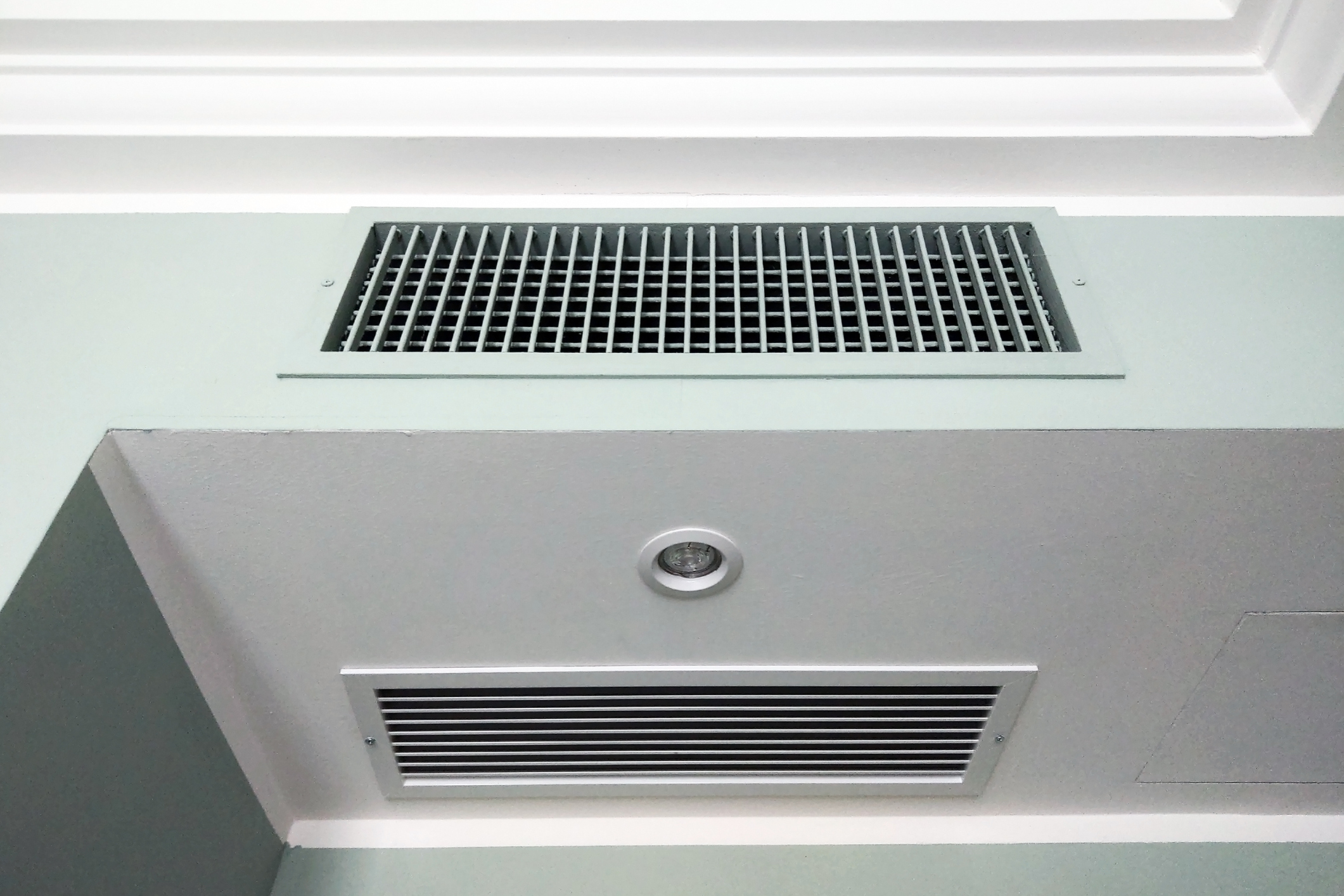
The heater itself is usually producing heat adequately. The problem is how that heat is being delivered through the home. That is a ducting, zoning, or configuration issue, and most causes are diagnosable and fixable without touching the heater unit at all. Here is how to work through them systematically.
Start With How You Are Using the Zone Controls
Before calling a technician, it is worth reviewing how you are operating the system. Zoning mistakes are surprisingly common and cost nothing to correct.
Running All Zones Simultaneously
- If your home has a zoned ducted system and all zones are active at once, the system’s heating output is being spread across the entire home simultaneously
- In a four or five bedroom home where several rooms are empty, the system heats unoccupied spaces while potentially not delivering enough capacity to the rooms that matter most
- Closing off zones for unused rooms concentrates the system’s output where it is needed, which typically improves both heat-up time and the temperature actually reached in active rooms
- This is a usage change that costs nothing and can produce an immediate, noticeable improvement
If the zoning layout does not match how your household actually uses the home day to day, a heating and cooling specialist Melton can reconfigure zone boundaries and damper settings to better reflect your real usage patterns. This kind of reconfiguration is straightforward and often makes a significant difference without any hardware changes.
Thermostat Placement and Calibration
- If the thermostat is located in a room that heats quickly — such as a north-facing living area — the system may cut out before bedrooms or south-facing rooms have reached temperature
- A thermostat positioned near a heat source, window, or external wall may read inaccurate ambient temperatures and cause the system to cycle on and off at the wrong times
- Recalibrating or relocating the thermostat can resolve persistent temperature imbalances without any ductwork changes
Check Whether a Zone Damper Has Failed
Zoned ducted systems use motorised dampers inside the ductwork to control airflow to each zone. These are among the most common causes of uneven heating in Melton and Bacchus Marsh homes, and they are straightforward to test and repair.
How a Damper Failure Presents
- When a damper actuator motor fails, the damper stays physically stuck in whatever position it occupied when the motor stopped
- If it failed in the closed position, that zone receives no airflow regardless of what the controller displays — the zone appears active on screen but has no warm air coming through the vents
- If it failed partially open, the zone may receive some airflow but far less than it should, producing a room that is cool but not cold
How to Do a Basic Check Yourself
- Activate each zone individually on the controller and place your hand over the vents in that zone to feel for airflow
- A zone that shows as active on the controller but has no detectable airflow at its vents almost certainly has a failed damper actuator
- Compare airflow between zones — a significant imbalance with one zone noticeably weaker than others is a reliable indicator of a partial damper failure
A technician can test each damper directly and replace the faulty actuator. This is a targeted repair that resolves the issue without impacting other parts of the system, and it is one of the most common fixes in zoned ducted homes.
Inspect for Duct Disconnections or Significant Leaks
In Melton and Bacchus Marsh homes with older ducted heating systems, flexible ductwork can degrade meaningfully over time. This is one of the more hidden causes of uneven heating because it happens out of sight in the roof space.
What Duct Deterioration Looks Like
- Joints loosen and separate, particularly at connection points where flexible duct meets the main plenum or rigid duct sections
- The flexible duct material itself can tear, develop cracks, or collapse in sections, restricting airflow significantly
- Connections can separate completely, dumping warm air into the roof cavity rather than directing it into the room below
- Pest activity — particularly possums and rodents — can damage flexible ductwork in roof spaces, sometimes quite extensively
What a Roof Space Inspection Identifies
- A disconnected duct section is visible to the eye — warm air escaping into the roof space is sometimes detectable by hand near the separation point
- Torn or collapsed flexible duct sections restrict airflow and are identifiable during a standard inspection
- Reconnecting a separated duct or replacing a damaged section immediately restores full heating to the affected room and is typically a straightforward, affordable repair
If your home has not had a duct inspection in several years and you are experiencing persistent cold rooms, a roof space inspection is a sensible first step. Problems in the ductwork tend to worsen progressively and never self-correct.
System Balancing: Correcting Airflow Distribution
A ducted system should be balanced so that airflow to each outlet is proportional to the size and heat load of the room it serves. Many homes in Melton and Bacchus Marsh were never properly balanced after installation — or the balance was correct when the system was installed but has since shifted due to home modifications or duct changes.
Signs the System Is Out of Balance
- Rooms closest to the heater unit consistently over-heat while rooms at the far end of a duct run remain cool
- Rooms added during a home extension receive noticeably less airflow than rooms that were part of the original build
- Some vents have noticeably stronger airflow than others, creating temperature inconsistency across the home
- The system reaches its set temperature in some zones before others, causing it to cut out while problem rooms are still cold
What Rebalancing Involves
- A technician measures airflow at each outlet using appropriate equipment and compares it against the required flow rate for each room
- Manual dampers or zone settings are adjusted to distribute air more evenly according to each room’s actual heat load
- In some cases, additional balancing dampers are installed in branches of the duct network to achieve the correct distribution
- The process typically takes one visit and the improvement to heating consistency across the home is often significant
Insulation in Persistently Cold Rooms
Sometimes the issue is not with the heating system at all, but with the building envelope of the specific room that stays cold. This is worth ruling out before pursuing more involved heating system work.
How Inadequate Insulation Affects Heating Performance
- A room with poor or absent ceiling insulation loses heat through the ceiling much faster than the ducted system can replace it
- Even with full airflow from a balanced duct system, a poorly insulated room may never feel as warm as adjacent rooms because heat is constantly escaping upward
- South-facing rooms with limited sun exposure are particularly susceptible, especially in older Melton and Bacchus Marsh homes built before current insulation standards
- Gaps around downlights, unsealed cornices, and missing bulk insulation in the roof space above a specific room are all common contributors
Upgrading ceiling insulation in a problem room is a building envelope fix rather than a heating system repair, but it is often the most cost-effective solution to a persistent cold room once ductwork and damper issues have been ruled out. A roof space inspection can confirm whether insulation is present, adequate, and undisturbed above the affected room.
The Return Air System
The return air grille and filter are often overlooked when investigating uneven heating, but they directly affect how much air the system can move through the ductwork.
Common Return Air Problems
- A clogged return air filter restricts the total volume of air the system can circulate, reducing output to all rooms simultaneously and making the system work harder for less result
- A return air grille that is blocked by furniture, curtains, or stored items prevents adequate air from reaching the heater, causing similar whole-system performance loss
- In some homes, the return air system was undersized at installation and has never had the capacity to support the full heating load of the home
- Cleaning or replacing the filter — typically recommended every one to three months depending on household conditions — is the simplest maintenance task and one of the most impactful
Annual Servicing to Maintain Consistent Performance
A ducted gas heater that has not been serviced for several years operates considerably less efficiently than one that is properly maintained. This affects both comfort and running costs.
What an Annual Service Addresses
- Carbon deposits on the burners reduce combustion efficiency and heat output — cleaning restores proper flame performance
- A degraded heat exchanger transfers less heat to the airstream, making the system work longer for the same result
- Filter restriction reduces airflow through the system, lowering the volume of heated air delivered to the home
- Electrical components, gas pressure, and safety controls are checked to ensure the system is operating within correct parameters
- An annual service before the heating season restores operating efficiency, identifies developing faults early, and ensures the system is safe through another Melton and Bacchus Marsh winter
When Replacement Becomes the Right Answer
In most cases of inconsistent heating, targeted repairs and adjustments resolve the problem without needing a new system. But there are situations where replacement is the more economical path forward.
- The heater is more than 15 to 20 years old and has had repeated breakdowns in recent seasons
- The heat exchanger is cracked or compromised — this is a safety issue that typically warrants replacement rather than repair
- Repair costs are approaching or exceeding a significant proportion of the replacement cost
- The system was undersized for the home at installation and no amount of balancing or repair will achieve adequate output for the space
An honest technician will tell you clearly which situation you are in. At New Image Heating and Cooling, we diagnose the actual cause before recommending any work, and we will tell you when repair is the right answer and when it is not.
Conclusion
If your home has rooms that consistently fail to warm up properly, the cause is almost always identifiable and fixable. Most problems, zone damper faults, duct disconnections, poor balancing, filter restriction are resolved in a single visit. You do not need to accept cold rooms as a fact of life.
New Image Heating and Cooling Bacchus Marsh and Melton carries airflow measurement tools, inspects ductwork in the roof space, tests zone dampers, and identifies exactly what is causing the imbalance before recommending any repair or replacement. Call us on 0468 125 098 or submit our online form. Same-day service is available for bookings before noon. Don’t spend another winter with rooms that simply won’t warm up — call us today and we’ll get it sorted.
Frequently Asked Questions
Why are some rooms in my home colder than others with ducted heating running?
The most common causes are all zones running simultaneously spreading capacity too thin, a zone damper stuck in the closed position, a disconnected or leaking duct section in the roof space, incorrect system balancing producing uneven airflow, or inadequate ceiling insulation in the problem rooms. Most of these are fixable without replacing the heater.
How do I know if a zone damper is the problem?
Activate each zone individually on the controller and feel at the vents in that zone for airflow. If a zone shows as active but has no detectable airflow, the damper is likely stuck in the closed position. A technician can test each damper and replace the faulty actuator to restore airflow to that zone.
Will rebalancing my ducted system improve heating consistency?
Yes, if the system was never properly balanced or if home modifications have shifted the balance. Measuring airflow at each outlet and adjusting damper settings to distribute air proportionally to each room’s size and heat load is one of the most effective interventions for persistent uneven heating.



