
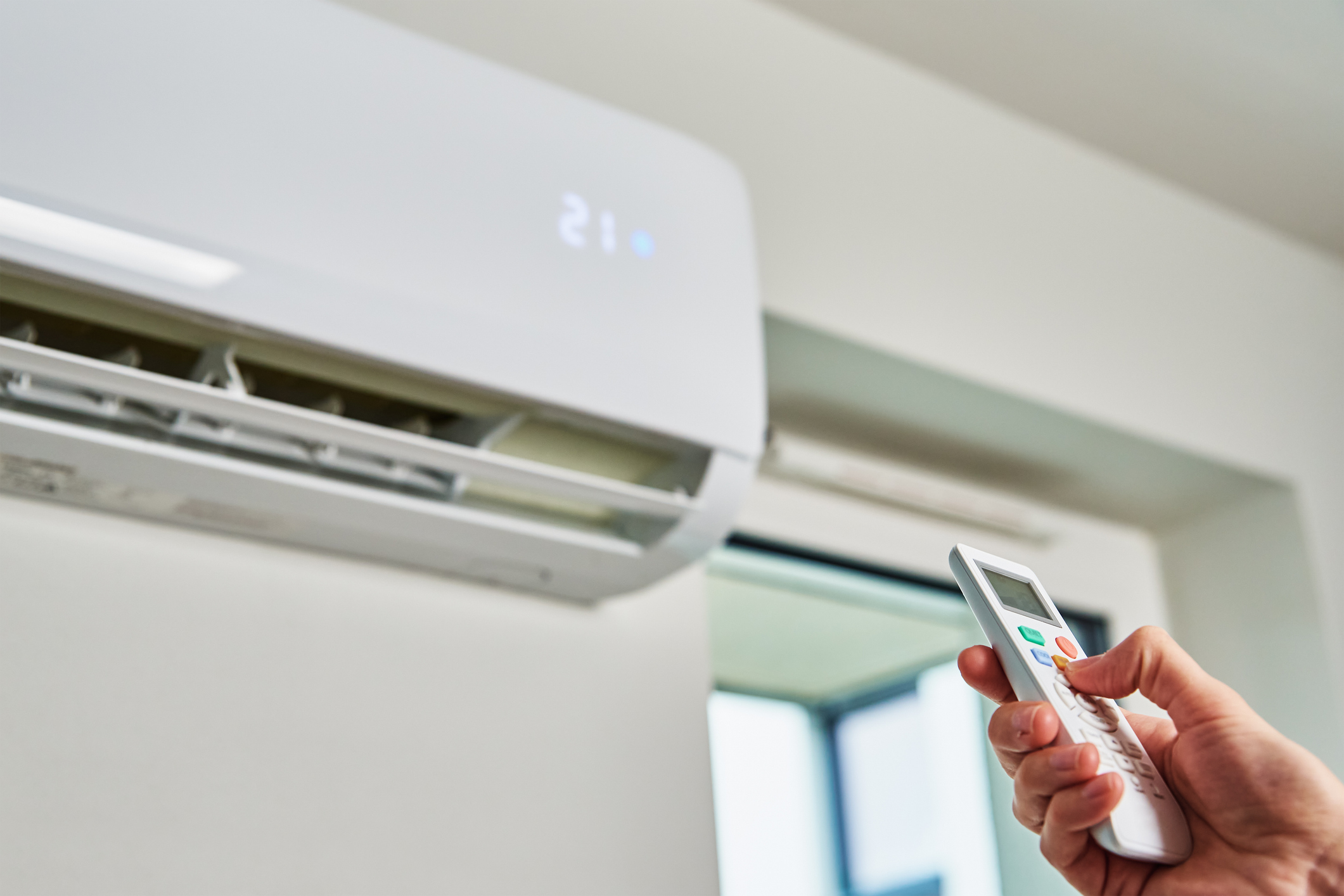
You walk past your air conditioning system in Melton and notice the light on the indoor panel is blinking. It was not doing that yesterday. You have not changed any settings, nobody has touched the remote, and the system may or may not be running. So what does an air conditioner light flashing actually mean, and should you be worried?
The short answer is that a flashing light on your air conditioner is your system’s built-in way of telling you something is wrong. Modern air conditioners are designed with self-diagnostic systems that use specific blink patterns to communicate fault codes. Understanding what those patterns mean can save you time, money, and a potentially sweltering day while you wait for a technician. This blog walks you through the most common causes, what each type of AC blinking light typically signals, and what you should do about it.
What Does an Air Conditioner Light Flashing Actually Mean?
A steady light on your air conditioner’s indoor unit generally means the system is operating normally. When that light starts flashing, it means the system has detected a fault condition and entered a protective mode designed to prevent damage to internal components. This is not the unit malfunctioning randomly. It is doing exactly what it is designed to do: alerting you before a small problem becomes an expensive repair.
The number of flashes in a sequence, the colour of the light, and which light is blinking all carry specific diagnostic meaning. Different brands use different coding systems, but the underlying principle is the same across Daikin, Fujitsu, Mitsubishi, Panasonic, and other brands commonly installed in homes across Melton and Bacchus Marsh.
Steady Light vs. Flashing Light
Before assuming the worst, it is worth confirming what you are actually seeing. A single steady glow is normal operation. A blinking or flashing pattern is the diagnostic signal.
- Steady green or blue light: the system is running normally
- Slow, rhythmic flash: the unit may be in standby, timer mode, or gentle fault state
- Rapid or repeated flash sequence: a fault code is being communicated
- Alternating colours (e.g. red and green): typically indicates a more serious internal fault
- Timer light flashing alongside the operation light: counts of each light together form the error code on many Fujitsu and Mitsubishi systems
How to Count the Flash Pattern
On systems that use flash-count coding, the unit will repeat a pattern, pause, then repeat again. Count the number of flashes in the sequence before the pause. On many Fujitsu units, for example, two flashes on the operation light and three flashes on the timer light together form a specific fault code that points to a particular component failure. Writing down the count before calling a technician saves time and allows for faster diagnosis.
What Causes AC Light Flashing?
The majority of ac flashing light situations in homes across Melton and Bacchus Marsh fall into one of the categories below. Some are straightforward and can be resolved without a callout. Others require a licensed technician. Here is what to look for and what it means.
Dirty or Blocked Air Filter
This is one of the most common reasons for an AC light flashing in residential homes, and it is also one of the easiest to fix. When the air filter becomes clogged with dust, pet hair, and debris, airflow through the indoor unit is restricted. The system works harder to pull air through, temperatures inside the unit climb, and the built-in safety sensors trigger a protective shutdown. On many units, this is communicated through a flashing filter or operation light.
- What you will see: a filter indicator light flashing, or the operation light blinking in a pattern that clears after filter cleaning
- How often filters need cleaning: every four to six weeks during periods of heavy use, such as Melton winters when ducted heating runs for hours each day
- How to fix it: switch the system off, remove the filter panel, wash the filter with warm water, allow it to dry completely, replace it, then reset the filter indicator on your remote
- When to call a technician: if the light continues to flash after cleaning and resetting, the issue may be beyond the filter
System Needs a Reset After a Power Interruption
Power surges, brownouts, and brief outages are common across outer Melbourne growth corridors. When power is restored after an interruption, your air conditioner’s control board may have logged a fault during the shutdown and is now displaying an ac blinking light to signal that it needs to be manually cleared. This is not a sign that anything is broken. It is the system’s self-protection protocol in action.
- What you will see: the unit may be non-responsive or displaying a flash pattern even though everything else in the house is functioning normally
- How to fix it: switch the air conditioner off at the wall isolator switch (the dedicated switch near the unit or at your switchboard), wait a full five minutes to allow the control board to fully discharge, then switch it back on
- If this does not work: check whether the circuit breaker for the air conditioning circuit at your switchboard has tripped. Reset it if so, then wait another five minutes before turning the unit on
- When to call a technician: if the ac light flashing resumes immediately after a reset, the fault is a genuine internal error that needs diagnosis
Refrigerant Issues
Refrigerant is the substance that transfers heat in and out of your home, and it is the backbone of how your air conditioner works. When refrigerant levels drop due to a slow leak, or when pressure readings fall outside the normal range, the system’s sensors detect the change and trigger a fault code. According to the Australian Refrigeration Council, refrigerant issues are among the most common faults reported in Australian air conditioning systems.
- What you will see: a flashing air conditioner light, often in a repeated multi-count sequence, combined with reduced cooling or heating performance
- Signs alongside the flashing light: the unit runs but the room does not reach the set temperature, ice may form on the indoor or outdoor unit, or you may hear an unusual hissing sound
- This is not a DIY fix: refrigerant handling requires an ARC (Australian Refrigeration Council) licence. Attempting to top up or handle refrigerant without a licence is illegal in Australia
- What to do: switch the unit off to prevent compressor damage and call a licensed technician for diagnosis and repair
Drainage Blockage or Float Switch Triggered
Your air conditioner produces condensate water as it removes humidity from the air during cooling. This water drains through a drainpipe to the outside. When the drain line becomes blocked by algae, debris, or dirt, water backs up inside the unit. Most modern systems have a float switch that triggers when the water level rises too high, flashing the ac light and shutting the system down to prevent water damage to your home and the unit’s electrical components.
- What you will see: an ac flashing light, sometimes accompanied by water dripping from the indoor unit or moisture around the base of the panel
- This is more common during: prolonged cooling periods in summer, or in ducted systems where drain pans can collect debris over time
- A clear drain line can sometimes be flushed by a homeowner: using a wet/dry vacuum at the drain outlet or carefully flushing with warm water. However, if you are unsure or cannot locate the drain line, call a technician
- Annual servicing prevents this: a qualified technician clears and inspects drain lines as part of a standard service visit
Sensor or Thermistor Failure
Modern air conditioners rely on multiple temperature sensors (called thermistors) to monitor room temperature, indoor coil temperature, and outdoor conditions. When a thermistor fails, develops a loose connection, or reads outside its expected range, the system logs a fault. This is a hardware failure that cannot be reset away and requires a technician to diagnose and replace the affected sensor.
- What you will see: a specific repeated flash pattern on the indoor unit, often with the system shutting down shortly after startup
- Common on: units that are five or more years old, or systems that have been subjected to moisture ingress or electrical surges
- On Fujitsu units: a pattern of two operation flashes and three timer flashes typically indicates an indoor pipe sensor fault
- What to do: note the flash count, do not attempt to reset repeatedly, and call a licensed technician to diagnose and replace the sensor
Fan Motor or Electrical Component Fault
The indoor fan motor circulates air across the evaporator coil. The outdoor fan motor draws air across the condenser. If either motor develops a fault, the system detects abnormal electrical readings and triggers a protective shutdown with a flashing light. Capacitor failures (which are responsible for starting the fan and compressor motors) are also a common cause of an ac blinking light, particularly in systems that are several years old.
- What you will see: the unit may attempt to start, run briefly, then shut down with a flashing fault code
- You may also hear: a clicking or humming sound from the outdoor unit as it attempts to start but fails
- On Mitsubishi systems: a flashing green light combined with the unit not running often indicates a fan motor or circuit breaker fault
- This is always a technician job: do not attempt to access or replace motor or electrical components yourself. These repairs involve mains voltage and require a licensed electrician or air conditioning technician
Communication Error Between Indoor and Outdoor Units
Split system air conditioners use a communication cable to link the indoor and outdoor units. If this cable is damaged, has developed a loose connection, or has been affected by moisture or pests (both relevant in outer Melbourne’s growth corridor properties), the indoor unit will display a communication fault code through a flashing light.
- What you will see: on Daikin units, this often appears as a U4 error on the remote display alongside a flashing operation light
- Common causes: rodent damage to external cabling, weathering of connections in wall cavities, or installer wiring issues
- What to do: check whether the outdoor unit is receiving power (you should be able to hear the compressor running). If the outdoor unit is completely silent, check the switchboard circuit breaker. If the outdoor unit appears powered but the indoor unit is still flashing a communication fault, call a technician
What to Do First When Your AC Light Is Flashing
Before calling anyone out, work through this quick checklist. It resolves a significant number of ac flashing light situations without a callout fee.
Step 1: Check and Clean the Filter
Remove the indoor unit’s filter panel and inspect the filter. If it is visibly dirty, wash it, allow it to dry completely, and reinstall it. Reset the filter indicator on your remote if your model has one, then turn the system back on and observe whether the flashing clears.
Step 2: Perform a Full Power Reset
Switch the unit off at the wall isolator switch, not just via the remote. Wait five full minutes. Switch it back on. This clears temporary fault states that can occur after power interruptions or minor sensor glitches. If the air conditioner light flashing resumes immediately, note the pattern before calling a technician.
Step 3: Check Your Switchboard
Head to your switchboard and confirm that the circuit breaker for the air conditioning circuit is in the on position. A tripped breaker can prevent the outdoor unit from powering up, which causes the indoor unit to display a communication fault code even though the underlying issue is simply electrical. Reset the breaker if needed, wait five minutes, then restart the unit.
Step 4: Check Your Remote Display
On many modern units, particularly Daikin, Mitsubishi, and Panasonic models, the remote control display will show an alphanumeric error code alongside or instead of a flash pattern. Note this code exactly as shown. It is the fastest way to communicate the fault to a technician and will save diagnostic time during a callout.
Step 5: Count and Record the Flash Pattern
If no error code appears on the remote, count the number of flashes in the sequence on the indoor unit before the pause, then count again on the secondary light if your unit has two. Write this down. This information allows a technician to identify the fault before arriving on site.
Brand-Specific AC Flashing Light Guides
Different brands communicate faults differently. Here is a quick reference for the brands most commonly installed in homes across Melton and Bacchus Marsh.
Daikin Air Conditioner Flashing Light
Daikin units typically display error codes directly on the remote’s LCD screen. A flashing green operation light often accompanies a maintenance reminder (such as filter cleaning) or a more serious fault like a refrigerant pressure issue. A U4 code indicates a communication error between indoor and outdoor units. An A3 code typically points to a drainage fault. Always check the remote display first on a Daikin system.
- Flashing green operation light with no remote code: filter cleaning required or minor fault, reset after cleaning
- U4 on the remote: communication fault between indoor and outdoor units, call a technician
- A3 on the remote: float switch triggered due to blocked drain, drainage inspection required
- E7 on the remote: outdoor fan motor fault, do not continue running the system
Fujitsu Air Conditioner Flashing Light
Fujitsu (and General Airstage) units use a flash-count system across two lights: the operation light (green or red) and the timer light. Counting both sequences together gives you the fault code. When Fujitsu enters lockout mode, the flashing lights repeat continuously until the fault is cleared by a technician. A reset alone will not resolve a lockout mode fault.
- Operation 1 flash, Timer 1 flash: indoor coil temperature sensor fault
- Operation 2 flashes, Timer 3 flashes: indoor pipe sensor error, requires sensor replacement
- Operation 3 flashes, Timer 3 flashes: outdoor temperature sensor fault
- Rapid continuous flashing on both lights: lockout mode active, requires technician reset and diagnosis
Mitsubishi Air Conditioner Flashing Light
Mitsubishi split systems typically display a flashing green or red operation light depending on the fault type. A tripped circuit breaker and a faulty fan motor are among the most common causes of a flashing green light on Mitsubishi units. Mitsubishi wired controllers will usually display a two-digit error code that is more specific than the flash pattern alone.
- Flashing green light: often a circuit breaker, fan motor, or thermistor issue
- Flashing red light: more serious fault such as a refrigerant or compressor issue, stop using the system immediately
- Error codes on wired controllers: P codes typically indicate protection faults, E codes indicate component failures
Panasonic Air Conditioner Flashing Light
Panasonic units use the timer lamp flash pattern as the primary diagnostic tool. A continuous rapid flashing on the timer light often points to refrigerant system issues. Panasonic systems also commonly display a self-cleaning or filter indicator light that blinks to prompt maintenance, which is not a fault but a reminder.
- Timer light flashing rapidly and continuously: potential refrigerant or compressor fault, call a technician
- Filter or cleaning indicator flashing: perform filter cleaning and reset the indicator, no fault present
- Self-cleaning light active: normal operation, the unit is running its auto-clean function
When You Should Not Try to Reset and Should Call a Technician
A power reset is safe to try once. Repeatedly resetting a system that keeps re-entering fault mode does not fix the underlying problem and can accelerate wear on components that are already under stress. Here is when you should stop resetting and call our heating and cooling specialist in Melton.
The Flashing Light Returns Within Minutes of a Reset
If the ac light flashing resumes immediately or within a few minutes of a full power reset, the fault is genuine and the system has detected a real problem. Continuing to reset the unit will not clear it and may delay diagnosis of something that is getting worse.
You Can See Ice Forming on the Unit
Ice on the indoor coil or outdoor unit is a sign of a refrigerant issue or severely restricted airflow. Running the system in this state risks compressor damage, which is one of the most expensive repairs on an air conditioner. Switch the system off and call a technician.
You Can Smell Burning or Hear Unusual Noises
Any burning smell, electrical odour, loud clicking, grinding, or squealing from the indoor or outdoor unit alongside a flashing light is a sign of a component failure. Switch the system off at the wall immediately and do not restart it until it has been inspected.
Water Is Leaking From the Indoor Unit
A small amount of condensation is normal in some weather conditions, but active dripping or water marks on your ceiling or walls means the drain system has failed and water is going where it should not. This can cause significant damage to plasterboard ceilings and insulation. Switch the system off and call for inspection.
The System Is Out of Warranty and More Than Five Years Old
Older systems are more likely to have genuine component failures behind a flashing fault code. A technician callout at this point is not just about fixing the immediate issue. It is also a chance to assess the overall condition of the system and give you a clear picture of whether repair or replacement is the more cost-effective path.
How to Prevent AC Flashing Lights in Future
Most flashing light faults in residential air conditioners are predictable and preventable with routine maintenance. Here is what keeps systems in Melton and Bacchus Marsh homes running cleanly between service visits.
Clean Your Filters Every Four to Six Weeks
Dirty filters are the single most preventable cause of an ac flashing light. Western Melbourne properties tend to accumulate dust and pollen faster than inner-city homes due to drier conditions and surrounding construction activity. Mark it in your calendar and make it a habit during high-use periods.
Schedule an Annual Service
An annual service by a qualified technician covers everything a homeowner cannot: refrigerant pressure check, drain line inspection and flush, electrical connection check, coil cleaning, fan motor assessment, and overall system health evaluation. A serviced system is far less likely to develop the faults that trigger flashing light fault codes mid-winter.
Do Not Block Return Air Grilles
Furniture placed in front of ducted heating return air grilles restricts airflow and puts unnecessary strain on the system. The same applies to split system indoor units with items stored directly in front of them. Keep the areas around your vents and indoor unit clear at all times.
Protect the Outdoor Unit
The outdoor unit needs at least 30 cm of clearance on all sides for adequate airflow. Overgrown vegetation, garden debris, and items stored next to the outdoor unit restrict airflow to the condenser, which causes the system to overheat and trigger fault codes. Check the area around your outdoor unit at the start of each season.
Frequently Asked Questions
Can I still use my air conditioner if the light is flashing?
In most cases, no. When a system enters fault mode and displays a flashing light, it has shut itself down to prevent further damage. Running it through a reset while the underlying fault remains unresolved risks compressor damage or component failure. Perform a single reset after cleaning the filter and checking the switchboard. If the light returns, switch the system off and call a technician.
Why does my AC light flash only at night?
This is often related to outdoor temperature drops. Some faults in the refrigerant circuit or sensors become more apparent when the outdoor unit’s operating conditions change after dark. A system that works fine during the day but flashes at night warrants a refrigerant pressure check and sensor inspection.
Is an ac blinking light always a serious problem?
Not always. A dirty filter, a filter reminder signal, or a post-power-interruption reset is often all that is needed. However, flashing lights that persist after a reset and filter clean, or that are accompanied by performance issues, unusual sounds, or ice formation, indicate a more serious fault that requires professional diagnosis.
How much does it cost to fix a flashing light fault on an air conditioner?
Costs vary depending on the cause. A drain line flush or sensor replacement is a relatively minor repair. Refrigerant recharge or a compressor fault is significantly more involved. The best way to understand your costs upfront is to call New Image Heating and Cooling for a quote. We provide transparent, no-obligation assessments for Melton and Bacchus Marsh homeowners.
How often should I service my air conditioner to avoid these faults?
Once a year is the recommended minimum for residential systems in Victoria. Homes with pets, high dust levels, or systems that run year-round may benefit from a service every six months. Regular servicing is the most effective way to prevent the component wear and blockages that trigger flashing fault codes.
Conclusion
A flashing light on your air conditioner is not something to leave until next week. What starts as a minor fault code can develop into a failed compressor or water damage to your ceiling if the system is ignored or repeatedly reset without addressing the cause. The good news is that most faults are diagnosed and resolved quickly when caught early.
At New Image Heating and Cooling Bacchus Marsh and Melton, our team diagnoses fault codes accurately, gives you honest advice on whether repair or replacement is the right call, and gets your system running properly.
Whether your ac light flashing started this morning or has been happening for weeks, give us a call on 0468 125 098 for a free, no-obligation quote. We show up when we say we will, explain everything and get the job done right the first time.



