
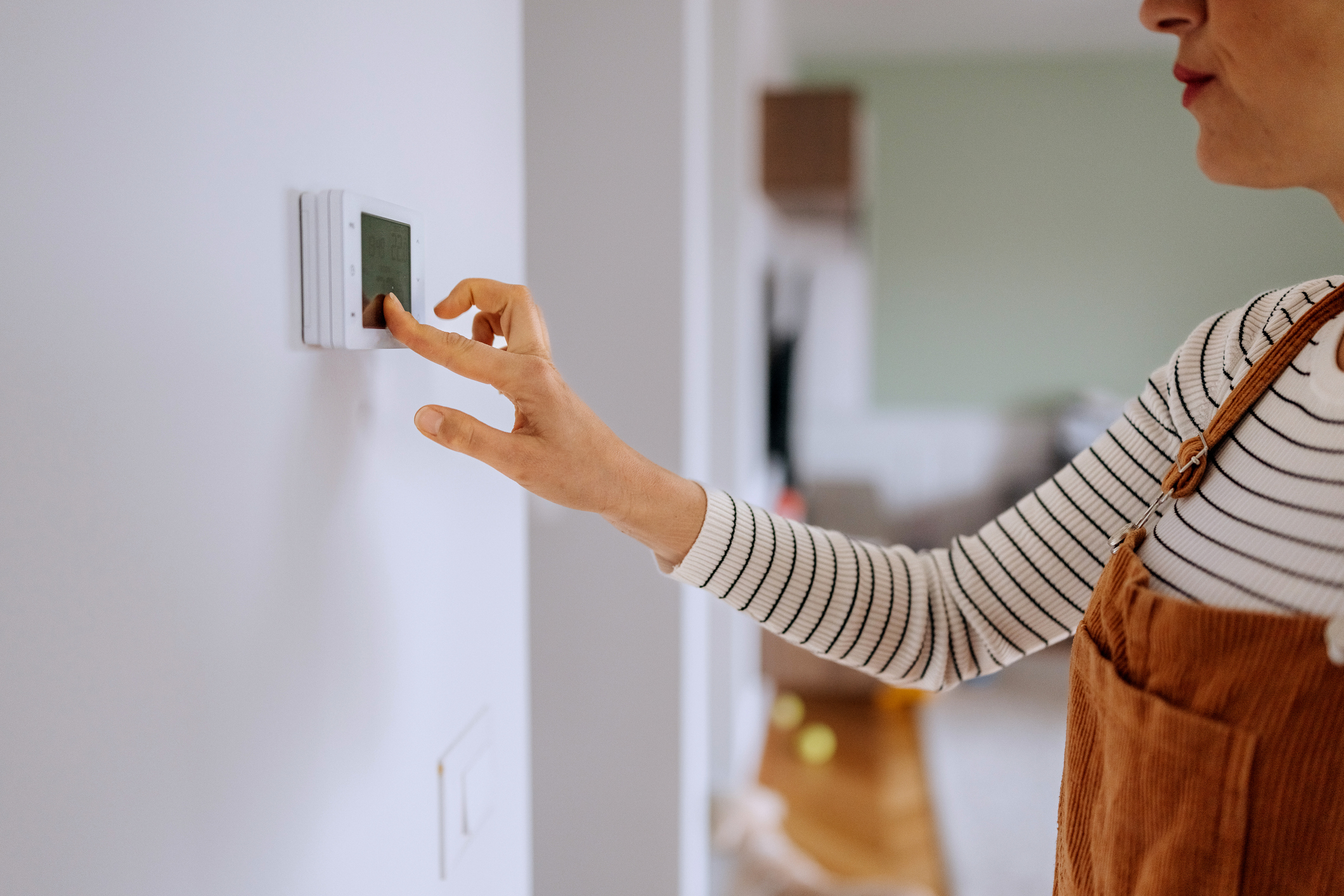
If your ducted system in Melton is pushing ten years old, you might assume that smart home technology is out of reach without a full replacement. It’s a reasonable assumption, but in most cases, it’s wrong. Many older ducted systems can be upgraded with smart controls without touching the core unit, and the difference it makes to comfort, energy efficiency, and convenience can be significant.
Smart controls have become one of the most popular upgrades homeowners are requesting right now. The ability to adjust your system from a phone, set automated schedules, and monitor energy usage in real time is no longer reserved for brand-new systems. This guide covers everything homeowners need to know about retrofitting smart controls to a ducted system that has been running for a decade or more.
How Do Smart Controls Work With Ducted Systems?
Smart controls replace or supplement your existing ducted system thermostat with a Wi-Fi-connected device that can be managed remotely, programmed with schedules, and in some cases, integrated with voice assistants or smart home platforms. They range from simple smart thermostats to full zone control systems that let you manage individual rooms independently.
Types of Smart Controls Available
- Smart thermostats: Replace your existing wall controller with a Wi-Fi connected unit. Brands like Nest, Ecobee, and Salus are popular options that work with many ducted systems.
- Smart zone controllers: Allow individual rooms or zones to be switched on or off remotely, reducing energy waste in unoccupied spaces.
- Universal retrofit adaptors: Devices such as the Daikin Wifi Controller or Advantage Air MyAir system that sit between your existing thermostat wiring and a new smart interface.
- Voice-integrated systems: Systems compatible with Google Home, Amazon Alexa, or Apple HomeKit, allowing hands-free control.
- App-based controllers: Dedicated apps tied to a proprietary smart module installed on the unit itself, commonly offered by major brands as retrofit accessories.
Can a 10-Year-Old System Actually Support Smart Controls?
The short answer is: usually yes, but compatibility depends on the brand, model, and how your existing wiring is set up. Most ducted systems manufactured from around 2010 onwards use standard low-voltage wiring between the thermostat and the air handler, which is what smart thermostats are designed to work with. The key is checking whether your system has a C-wire (common wire), which provides the continuous power that modern smart thermostats require to operate reliably.
What Determines Compatibility?
- The brand and model of your unit: Major brands including Brivis, Ducted Daikin, Mitsubishi Electric, and Carrier all have retrofit smart accessories or confirmed compatibility with third-party smart thermostats.
- Existing wiring configuration: Systems with a C-wire can power a smart thermostat directly. Systems without one may need a C-wire adaptor kit, which is a straightforward addition during installation.
- The type of system: Gas ducted heating systems, reverse cycle ducted systems, and evaporative cooling systems each have slightly different compatibility requirements. A technician can assess this quickly during an inspection.
- Your zone setup: If your home already has zones (multiple areas that can be heated or cooled independently), upgrading to a smart zone controller is generally straightforward. Single-zone systems can also be upgraded but with fewer granular control options.
- The condition of existing wiring: Older wiring that is frayed, undersized, or not to current standards may need attention before a smart controller can be safely installed.
When Compatibility Is Limited
- Proprietary control systems: Some older Brivis or Braemar units use proprietary protocols that make third-party smart controllers difficult to integrate without a brand-specific module.
- Two-wire systems: Older two-wire thermostat setups (R and W wires only) can still be upgraded, but may require a power-stealing adaptor or a C-wire kit to work with most smart thermostats.
- Systems near end of life: If your unit is showing signs of serious mechanical wear, investing in smart controls may not be the best use of money. A technician’s assessment will clarify whether the system is worth upgrading or better replaced.
What Are the Benefits of Upgrading to Smart Controls?
For Melton homeowners, the local climate makes smart controls particularly valuable. Melbourne’s west is known for rapid weather changes, and having the ability to adjust your system remotely means you’re not coming home to a sweltering house or running a heater all day in a property that nobody is in.
Energy Savings
- Smart thermostats can reduce heating and cooling energy use by 10 to 23 percent through better scheduling and occupancy awareness, according to studies by Energy Star in the United States. Australian figures vary by household, but savings are consistently reported by users.
- Zone-based smart control means you only condition the rooms being used, cutting waste from heating or cooling empty spaces.
- Energy monitoring features available on some systems let you track usage and identify patterns that are costing money.
Comfort and Convenience
- Schedule your system to start warming up or cooling down before you arrive home, so the house is at the right temperature when you walk in.
- Control the system from anywhere using your phone, whether you’re at work, school drop-off, or away on holiday.
- Geofencing features on some smart thermostats automatically adjust the system based on whether your phone is within a set distance of home.
- Integration with smart speakers means adjusting the temperature without leaving the couch.
Extended System Lifespan
- Better scheduling reduces the total hours your system runs each week, lowering wear on motors, fans, and heat exchangers over time.
- Some smart systems send alerts when they detect unusual operating patterns, giving you early warning of a developing fault before it becomes a breakdown.
- Reduced run hours can also lower the frequency of required servicing, though annual maintenance remains important regardless.
What Does the Installation Process Look Like?
Installing smart controls on an existing ducted system is not a DIY job in most cases. While some smart thermostats are marketed as self-install, ducted systems in Australia involve 240V mains wiring at the unit itself, and any work on that wiring must be carried out by a licensed technician. Getting this wrong can void your system’s warranty, create a safety hazard, or cause the unit to operate incorrectly.
The Typical Installation Steps
- Assessment: A technician inspects the existing system, thermostat wiring, and zone setup to confirm which smart control options are compatible.
- Controller selection: Based on the assessment, the right smart thermostat or zone controller is selected, whether that’s a brand-specific module, a universal device, or a full zone management system.
- Wiring check and C-wire addition if required: The existing thermostat wiring is inspected and any missing wires are added or an adaptor is installed.
- Old controller removal and new controller installation: The existing wall controller is removed and the smart controller is mounted and wired in its place.
- System pairing and setup: The smart controller is connected to your home Wi-Fi, paired to an app, and tested to confirm it communicates correctly with the ducted unit.
- Zone programming: Where zone control is involved, each zone is programmed and tested individually.
How Much Does It Cost to Retrofit Smart Controls?
Costs vary depending on the type of smart control being installed and the complexity of the existing setup. As a general guide for Melton homeowners:
Typical Price Ranges
- Basic smart thermostat retrofit: Generally in the range of $300 to $600 all-inclusive for supply and installation of a standard compatible smart thermostat.
- Smart zone control upgrade: Multi-zone smart control systems with app access and individual room management typically range from $900 to $2,500 depending on the number of zones and the system chosen.
- Full smart system with voice and home automation integration: Systems like Advantage Air or equivalent full-featured platforms can range from $1,500 to $3,500 for a complete retrofit on an existing ducted system.
- C-wire addition: If additional wiring is required, this usually adds between $80 and $200 to the installation cost.
FAQs
Can I install a smart thermostat myself to save on costs?
The thermostat wiring side of the job is low voltage and can be done by a competent homeowner. However, in Australia, if any work at the ducted unit itself is required (including adding a C-wire at the unit end), this must be done by a licensed electrician or HVAC technician. To avoid voiding your warranty or creating safety issues, professional installation is strongly recommended.
Should you upgrade to smart controls or replace your old system?
Upgrading to smart controls is worth considering if your ducted heating system still works well but lacks modern control features. You could gain remote access, scheduling and better control over heating zones without replacing the entire unit.
Conclusion
Smart controls are one of the most practical and cost-effective upgrades available to homeowners with older ducted systems. For most properties, the technology exists right now to bring your decade-old system into the modern era without a full replacement, and the energy savings and convenience gains make the investment worthwhile.
At New Image Heating and Cooling Melton, we carry out smart control assessments and retrofits. Our technicians will inspect your existing system, confirm compatibility, and recommend the best option for your home and budget. We provide honest advice, and if a system replacement makes more sense than an upgrade, we will tell you that too.
Get in touch with the team today to book an inspection or request a free quote on a smart control upgrade for your ducted system. You can call us at 0468 125 098 or submit our online form.



