
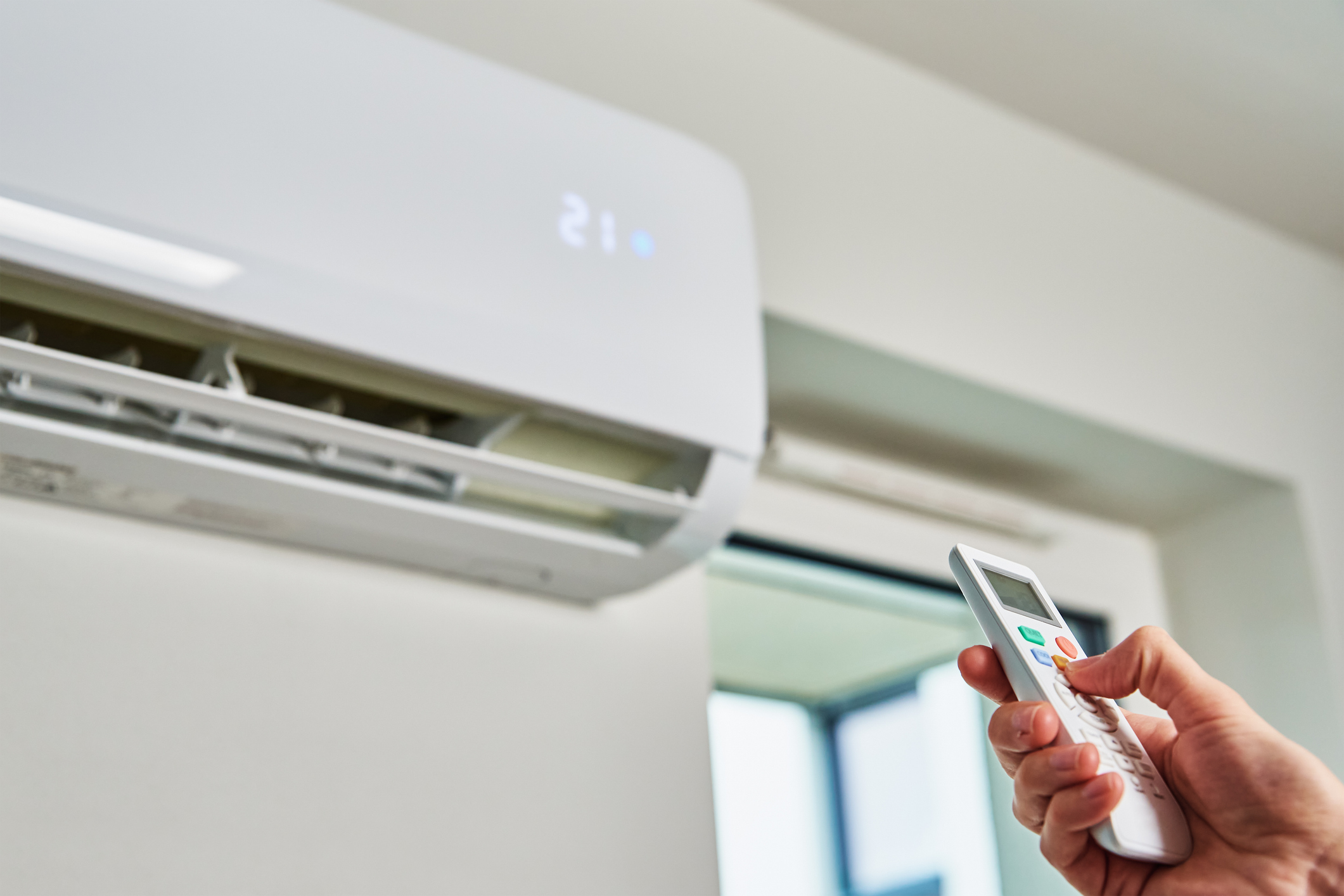
Your air conditioning system in Melton is almost certainly the biggest electricity consumer in your home. During summer, when temperatures push well into the high thirties and stay there for days at a time, your system can account for a significant portion of your total power bill. That is not a reason to sweat through the heat, but it is a reason to understand what you are paying for, and where the real savings are hiding. This guide breaks down how much electricity different types of air conditioning systems actually use, how to calculate your own running costs, and what practical steps can reduce your bills without sacrificing comfort.
Understanding Air Conditioner Energy Usage
One of the most common points of confusion is the difference between an air conditioner’s capacity rating and its actual power draw. The kilowatt (kW) figure you see advertised on a split system — say, 2.5 kW or 5 kW — refers to the cooling or heating output, not the electricity it consumes from the grid.
The figure you need for calculating running costs is the input power, which is listed on the unit’s energy rating label or in the product specifications. Modern inverter systems are highly efficient, so a 5 kW cooling system typically draws only around 1.4 to 1.8 kW of electricity to produce that output. Older, non-inverter systems are considerably less efficient and can draw significantly more power for the same result.
Power Usage by Air Conditioning System Type
Different system types draw very different amounts of power. Here is a practical breakdown of the most common systems used in Australian homes, with approximate input power figures and estimated running costs at a rate of $0.30 per kWh (check your bill for your actual rate, as it varies by retailer and tariff).
Small Split System (Bedroom, approx. 2.5 kW output)
Typical input power is around 0.7 to 0.9 kW. At $0.30 per kWh, this costs approximately $0.21 to $0.27 per hour to run. These units are well suited to smaller rooms and are among the most economical to operate on a per-room basis.
Medium Split System (Living Room, approx. 5 kW output)
Typical input power is around 1.4 to 1.8 kW. At $0.30 per kWh, this costs approximately $0.42 to $0.54 per hour to run. This is the most common configuration for family living areas in Melton and Bacchus Marsh homes.
Large Split System (Open Plan, approx. 7 kW output)
Typical input power is around 2.0 to 2.5 kW. At $0.30 per kWh, this costs approximately $0.60 to $0.75 per hour. Larger open-plan areas and combined kitchen and dining spaces typically require this capacity.
Ducted Air Conditioning System (Whole Home, 10 to 14 kW output)
Typical input power is around 3.0 to 5.0 kW. At $0.30 per kWh, this costs approximately $0.90 to $1.50 per hour to run the whole home. This figure rises significantly on extreme heat days when the system works harder to maintain your set temperature. Zone control can considerably reduce this cost when not all zones need to be active.
Older Non-Inverter Split System (approx. 3.5 kW output)
Typical input power is around 1.8 to 2.5 kW — often more than a modern inverter unit of similar or greater capacity. At $0.30 per kWh, this costs approximately $0.54 to $0.75 per hour. The efficiency gap between old and new systems is one of the most compelling financial arguments for upgrading.
How to Calculate Your Own Running Cost
You can work out your own air conditioning running cost in a few straightforward steps.
- Find the input power (kW). Check the energy rating sticker on your indoor unit or look up your model’s specifications online. You are looking for the input wattage in kW, not the cooling capacity.
- Multiply by hours of use. If your unit draws 1.5 kW and you run it for 6 hours a day, that is 9 kWh per day.
- Multiply by your electricity rate. At $0.30 per kWh, 9 kWh costs $2.70 per day, $18.90 per week, or around $81 per month for that single unit.
For a ducted system cooling the whole house during a Melton heatwave, daily costs can easily reach $10 to $15 or more, depending on how hard the system has to work. Knowing this figure helps you make smarter decisions about when and how you run the system.
The Quick Formula
Input kW x hours per day x days per month x your electricity rate ($/kWh) = monthly cost for that unit.
What Affects How Much Electricity Your Air Conditioner Uses?
Two identical systems installed in two different homes can have very different running costs. These are the main variables that determine your actual consumption.
Outside Temperature
The hotter it is outside, the harder the compressor works to maintain your set temperature. In Melton and Bacchus Marsh, where summer temperatures regularly reach 38 to 40 degrees, the difference in running cost between a 28-degree day and a 40-degree day can be substantial, even at the same thermostat setting.
Home Insulation Quality
A well-insulated home holds cool air in and keeps hot air out. Poor insulation means the system constantly fights heat entering through the ceiling, walls, and windows. Ceiling insulation alone can reduce air conditioning costs by 20 to 40 per cent, making it one of the most cost-effective home improvements for Melton homeowners who experience extended heat periods.
System Age and Maintenance Condition
Older units, dirty filters, and depleted refrigerant all reduce a system’s efficiency. A well-maintained air conditioner runs at or near its rated efficiency. One that has not been serviced in several years can draw 20 to 30 per cent more power for the same cooling output. Regular servicing is one of the simplest ways to keep running costs down.
Thermostat Setting
Every degree lower on your thermostat in summer adds roughly 5 to 10 per cent to your running cost. Setting your system to 24 to 26 degrees rather than 20 degrees makes a meaningful difference over a full summer season. In Melton and Bacchus Marsh’s dry summer heat, 24 to 25 degrees with good airflow feels comfortable for most people.
House Layout and Sun Exposure
Homes with large north- and west-facing windows, or with dark roofs that absorb heat, place a much greater cooling load on air conditioning systems. The direction your living areas face and the amount of shade your home receives during peak afternoon heat directly affects how hard your system has to work.
How to Reduce Your Air Conditioning Power Bill
You do not have to choose between staying comfortable and keeping your electricity bill under control. These practical steps genuinely move the needle.
- Set the thermostat to 24 to 26 degrees in summer. The difference between 24 and 20 degrees can cut running costs by 20 to 30 per cent over a full cooling season.
- Use zone control and timers. Only cool the rooms you are actually using. Ducted systems with zone control can significantly reduce consumption compared to cooling the whole house simultaneously.
- Service your system annually. Clean coils, correct refrigerant charge, and clean filters all keep the system running at peak efficiency. A dirty or poorly maintained system works harder for the same result.
- Block direct sun from windows. External blinds, block-out curtains, or shade structures on north- and west-facing windows reduce the heat load entering your home and take pressure off your air conditioner during peak afternoon hours.
- Pre-cool before the hottest part of the day. Run the system in the morning to get your home to a comfortable temperature, then let the insulation and window coverings hold it there during the afternoon peak. This is more efficient than fighting a 40-degree interior at 3 pm.
- Consider upgrading an old non-inverter system. A modern inverter split system can be two to three times more energy efficient than a non-inverter unit from ten or more years ago. The running cost savings often pay back the cost of the upgrade within a few years in climates like Melton’s.
Frequently Asked Questions
Does running the fan-only mode use much electricity?
Fan-only mode uses a fraction of the electricity that cooling mode does, typically 50 to 150 watts compared to 1,000 watts or more for a split system in cooling mode. On mild evenings in Melton and Bacchus Marsh, running the fan to circulate air is a practical and very low-cost option.
Does the size of my air conditioner affect running costs?
Yes, significantly. An oversized system short-cycles — turning on and off frequently without completing a full cooling cycle — which is inefficient and increases wear on the compressor. An undersized system runs constantly without achieving the set temperature. A properly sized system matched to your room dimensions and insulation level is the most economical long-term choice.
Is ducted air conditioning more expensive to run than a split system?
On a whole-home basis, yes — ducted systems have higher running costs because they condition a larger volume of air. However, a ducted system with zone control used intelligently can be comparable in cost to running multiple split systems across several rooms. The right choice depends on your home layout and how you use the spaces in it.
Conclusion
Understanding your air conditioner’s electricity use is the first step toward running it smarter. Whether your bills have crept up unexpectedly, you are weighing up an upgrade to a more efficient system, or you simply want a professional service to get your existing unit back to peak performance, the team at New Image Heating and Cooling in Bacchus Marsh and Melton is here to help. Our technicians provide honest advice on whether your system is worth servicing, repairing, or replacing — with no pressure and no upselling. Call us on 0468 125 098 or request a free quote via our online form today.



