
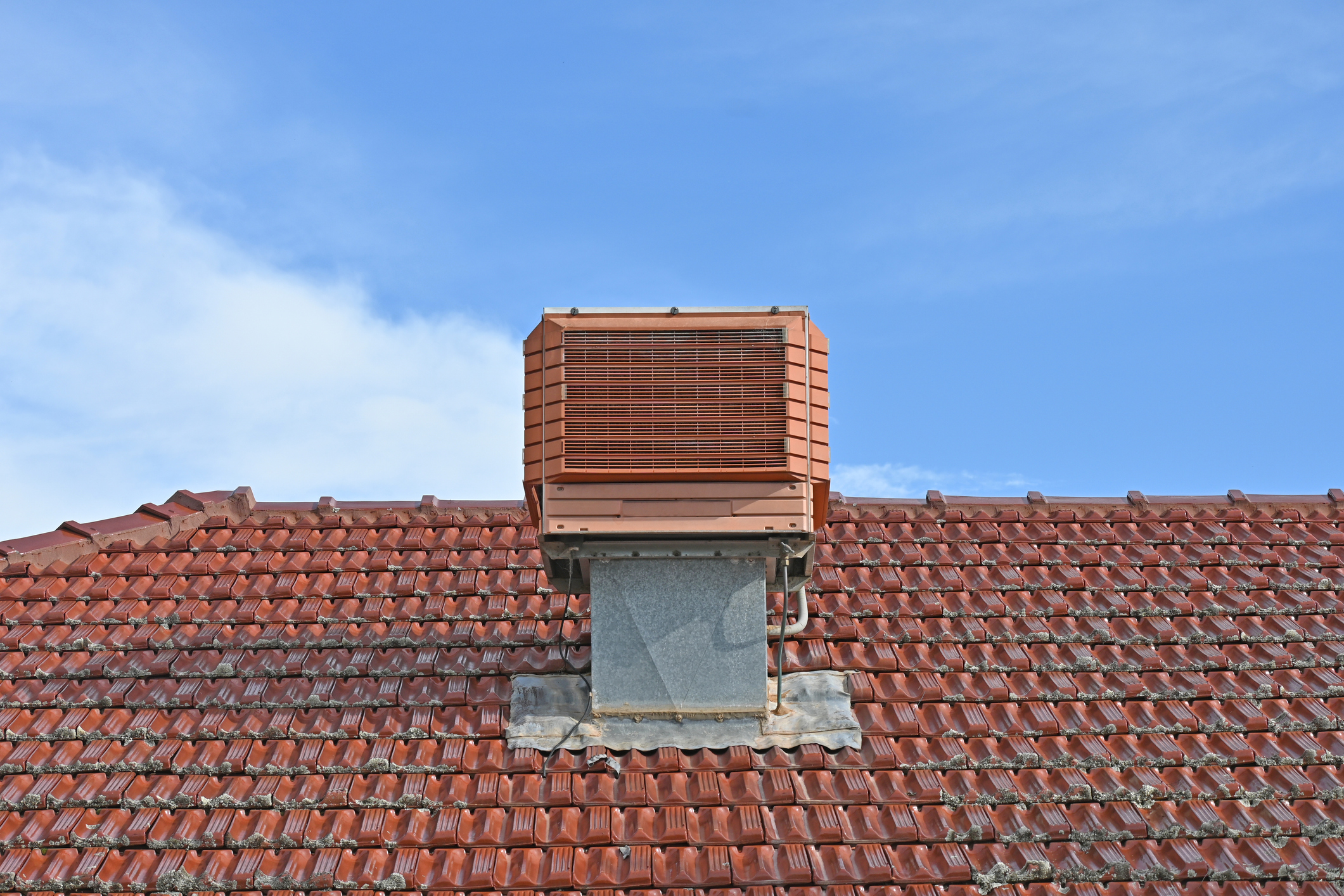
If you have turned on your evaporative cooling in Melton at the start of summer and been greeted by a stale, musty, or mouldy smell drifting through your home, you are not alone. It is one of the most common complaints about evaporative cooling systems, particularly when a unit has been sitting idle through winter. The smell is unpleasant, it can trigger allergies and respiratory irritation, and it is a sign that something inside the system needs attention.
The encouraging news is that a musty evaporative cooler is almost always a fixable problem. Understanding why the smell occurs and what you can do to prevent it from coming back will help you keep your system running cleanly and your home smelling fresh throughout the cooling season. This guide explains the root causes, the solutions, and when it is time to call a heating and cooling specialist Melton.
How the Cooling Process Can Cause Musty Odours
Before diving into the causes of musty smells, it helps to understand the basic operating principle of an evaporative cooler. Unlike refrigerative air conditioning, which uses a sealed refrigerant circuit to cool air, an evaporative cooler works by drawing hot outside air through water-saturated pads. As the air passes through the wet pads, water evaporates and absorbs heat from the air — lowering its temperature. The cooled air is then pushed through the ductwork and into the home by a fan.
This process is simple and energy-efficient, but it does involve continuously moving water through a system that includes a tank, pads, pump, and distribution components — all of which can become breeding grounds for mould, algae, and bacteria if they are not properly maintained. That is the fundamental reason musty smells develop.
What Causes Musty Odours in Evaporative Coolers?
Stagnant Water Left in the System Over Winter
This is the most common cause of season-opening musty smells in Melton and Bacchus Marsh homes. When the evaporative cooler is shut down at the end of summer and not properly drained, water remains sitting in the tank, pipes, and sometimes the pads throughout the winter months. Over six or more months of sitting still in a dark, enclosed space, that water becomes a perfect environment for mould, mildew, bacteria, and algae to grow.
- When you switch the system on the following spring or summer, the fan immediately pushes air through those contaminated components and into your home — carrying the musty smell with it.
- The longer the water has been sitting, the more established the biological growth becomes, and the worse the smell tends to be.
- Draining the system completely at the end of each cooling season — including the tank, water distribution lines, and pump housing — is the single most effective step to prevent this problem.
Dirty or Degraded Cooling Pads
The cooling pads (sometimes called evaporative pads, cellulose pads, or Chillcel pads) are the heart of the system. They absorb water and provide the surface area through which hot air passes to be cooled. Over time, they accumulate mineral deposits from the water, dust and pollen from the outside air, and biological growth including mould and algae.
- As pads degrade, they become less effective at holding water and can begin to smell — particularly if they have been wet and dry repeatedly over multiple seasons without being cleaned or replaced.
- Heavily soiled or mineral-caked pads also restrict airflow, making the system work harder and reducing cooling performance.
- Cellulose pads should generally be replaced every one to three years depending on water quality and usage. In areas with harder water, mineral build-up accelerates pad degradation.
- Some systems use synthetic pads that are more resistant to biological growth and easier to clean, but they still require periodic inspection and replacement.
Algae and Mould Growth in the Water Tank
The water tank (sump) at the base of the evaporative cooler is a warm, moist environment that receives constant sunlight — ideal conditions for algae growth. Green, brown, or black algae can establish itself in the tank relatively quickly during the cooling season, particularly if the water is not changed frequently or treated with an appropriate biocide.
- Algae gives off a characteristic earthy, musty, or pond-like odour that is immediately noticeable when the fan distributes air through the system.
- Beyond smell, algae and biological growth can clog the water distribution system, block the pump, and coat the pads — all of which reduce system performance.
- The tank should be cleaned and flushed at the start of each season and periodically throughout summer. Approved evaporative cooler water treatment tablets or solutions can inhibit algae growth between cleanings.
A Blocked or Slow-Draining Overflow or Bleed-Off System
Evaporative coolers continuously cycle water through the pads, and as water evaporates, the concentration of dissolved minerals in the remaining water increases. To prevent excessive mineral build-up, good-quality evaporative coolers have a bleed-off or overflow system that periodically flushes some water and replaces it with fresh supply water.
- If the bleed-off system is blocked or not functioning correctly, mineral concentrations in the water increase rapidly, accelerating scale build-up on pads and in the tank.
- Highly mineralised water sitting in a warm tank also promotes bacterial growth more readily than fresh water.
- Check that the bleed-off outlet is clear and that fresh water is periodically replenishing the system during operation.
Mould and Debris in the Ductwork
The smell you notice may not actually be coming from the evaporative unit itself but from inside the ductwork that distributes the cooled air through your home. Moisture that enters the duct system — through condensation or from the cooler during high-humidity periods — can promote mould growth inside the ducts, particularly where insulation has deteriorated or moisture has pooled.
- Mould inside ductwork is harder to address than a dirty tank or pads, as the ducts are not easily accessible for cleaning.
- If the smell persists even after the cooler itself has been thoroughly cleaned and serviced, duct contamination is worth investigating.
- A technician can inspect accessible duct sections and advise whether duct cleaning or replacement of deteriorated insulated duct sections is warranted.
Dead Animals or Debris in the Unit
This is less common but worth mentioning. Evaporative coolers are installed on rooftops or in accessible outdoor positions, and over winter they can become a shelter for birds, rodents, or insects. A deceased animal inside the unit or in the ductwork will produce a distinctive and very unpleasant smell when the system is first turned on.
- Before starting the system at the beginning of the cooling season, inspect the unit visually for any signs of nesting or animal presence.
- Check that the inlet vents have not been compromised or that mesh has not been pushed aside or damaged.
- If you suspect an animal may have entered the ductwork, have a professional inspect the system before operating it.
How to Fix a Musty Evaporative Cooler
Step 1: Drain and Flush the System Completely
The first step is to remove all the water that has been sitting in the system. Open the drain plug or valve at the base of the tank and allow all water to drain out fully. Once drained, flush the tank with clean water to rinse out sediment, algae, and debris before refilling.
- Do not simply top up the old water — completely drain and flush it.
- Use a brush or sponge to scrub the inside of the tank, removing any visible algae or mineral deposits before rinsing.
- Check the pump housing and water distribution manifolds for build-up and clean these as well.
Step 2: Inspect and Replace the Cooling Pads
Remove the pads and inspect them carefully. If they are visibly discoloured, have a strong odour, show significant mineral caking, or are structurally deteriorated, replace them rather than attempting to clean them. New pads are not expensive and make a significant difference to both performance and smell.
- If the pads are relatively new and only lightly soiled, they can sometimes be hosed down gently and left to dry before reinstalling — but replacement is generally the better option.
- Match the pad size and type specified for your particular cooler model.
- Pads that have been physically compressed or damaged will not distribute water evenly and should always be replaced.
Step 3: Clean the Tank With a Suitable Cleaning Agent
After flushing, use a diluted solution of white vinegar or a commercially available evaporative cooler cleaning product to wipe down the interior of the tank. Both are effective at removing mineral scale and mild biological growth without damaging the tank lining.
- Avoid using household bleach in high concentrations, as residues can damage rubber seals and may leave a chemical odour in the circulated air.
- Rinse thoroughly after any cleaning agent application before refilling with fresh water.
- Use an approved evaporative cooler water treatment product after refilling to inhibit future algae and bacterial growth.
Step 4: Check the Pump and Water Distribution System
The water distribution system — typically a small submersible pump that feeds water to a manifold and distribution pipes above the pads — can become clogged with mineral scale and biological growth. Clean or replace the pump filter, check the distribution pipes for blockages, and ensure water is flowing evenly across all pads when the pump is running.
- A pump that is not moving water efficiently will leave some pad sections dry, reducing cooling performance and creating dry spots where dust accumulates.
- If the pump is noisy, vibrating excessively, or clearly struggling to prime, it may need replacing — pumps have a finite service life.
Step 5: Run the System in Fan-Only Mode to Ventilate
After cleaning, run the system in fan-only mode (without the pump) for 15–20 minutes before switching to full cooling mode. This allows any residual odours to flush through the ductwork and out of the home before the water-circulating cooling process begins.
- Open windows and doors while doing this to allow fresh air movement through the home.
- If a faint musty smell is still present when you switch to cooling mode after cleaning, it should diminish over the first hour of operation as any residual odour sources are flushed out.
- If the smell is strong and persistent even after a thorough clean, there may be a duct contamination issue or a more serious mould problem that requires professional assessment.
How to Prevent Musty Smells in Future Seasons
Always Drain the System at the End of Summer
The most effective preventive measure is also the simplest. When you shut down the evaporative cooler at the end of the cooling season, drain the water tank completely. Do not leave water sitting in the system over the autumn and winter months. This eliminates the primary condition needed for mould and algae to establish.
- After draining, leave the unit in a position that allows any remaining moisture to evaporate before covering it for winter.
- Some homeowners prefer to leave the pads out over winter to prevent them from sitting in residual moisture — this can extend pad life.
- Cover the unit with a suitable cooler cover to prevent debris, bird nesting, and insect access over the off-season.
Use Water Treatment Products During the Cooling Season
Evaporative cooler water treatment products — available from most hardware stores — contain biocides that inhibit the growth of algae, bacteria, and mould in the water tank and on the pads during operation. They are inexpensive and easy to use.
- Follow the manufacturer’s dosage recommendations for your tank capacity.
- Re-dose after the tank has been flushed or the water level has been significantly topped up.
- Do not use excessive quantities — over-treatment can damage rubber seals and pads over time.
Book an Annual Professional Service
A professional service before the start of each cooling season ensures the system is fully inspected, cleaned, and ready to perform. A trained technician will check the pads, clean the tank, inspect the pump and distribution system, check the belt and motor, and assess the overall condition of the unit — identifying any issues before they become problems mid-summer.
- Professional servicing typically takes less than two hours and costs far less than an emergency call-out during a January heatwave.
- A technician can also advise on water treatment products best suited to the water quality in your specific area of Melton or Bacchus Marsh.
- If your unit has not been serviced in more than two years, it is worth booking a comprehensive check even if it appears to be running.
Frequently Asked Questions
How often should evaporative cooler pads be replaced?
As a general guide, cellulose pads should be inspected at the start of each season and replaced every one to three years. In areas with harder water or higher dust levels — both relevant in parts of Melton and Bacchus Marsh — annual replacement may be warranted. If pads are visibly deteriorated, heavily scaled, or smell even when dry, they should be replaced immediately regardless of age.
Can I run my evaporative cooler on days when the smell is present?
It is best not to run the system until the cause of the smell has been identified and addressed. Running a contaminated system distributes mould spores, bacteria, and allergens through your home. The clean-up process is straightforward and typically only takes a few hours, so it is worth doing properly before the cooling season begins rather than deferring it.
My evaporative cooler still smells after I cleaned it. What should I do?
If the smell persists after thoroughly cleaning the tank, replacing the pads, and flushing the system, the most likely source is the ductwork. Mould inside the ducts can be difficult to access for cleaning and may require professional duct inspection and cleaning. In some cases, heavily contaminated flexible duct sections may need to be replaced. A technician experienced with evaporative cooling systems can assess and advise on the best approach.
Conclusion
A musty smell from your evaporative cooler is your system’s way of telling you it needs some attention before the real heat arrives. The cause is almost always related to stagnant water, dirty pads, or biological build-up — all of which are entirely preventable with the right end-of-season shutdown procedure and an annual professional service. Getting this right means you can turn your system on at the first hot day of summer confident that it will deliver clean, fresh, effective cooling throughout the season.
At New Image Heating and Cooling Bacchus Marsh and Melton, we service and repair evaporative coolers. Our thorough pre-season service includes a full clean of the tank and pads, pump inspection, motor and belt check, and an honest assessment of the system’s condition. We will tell you exactly what your cooler needs — and nothing it does not.
Call us on 0468 125 098 or contact us via our online form to book your evaporative cooler service before the summer rush begins.



