
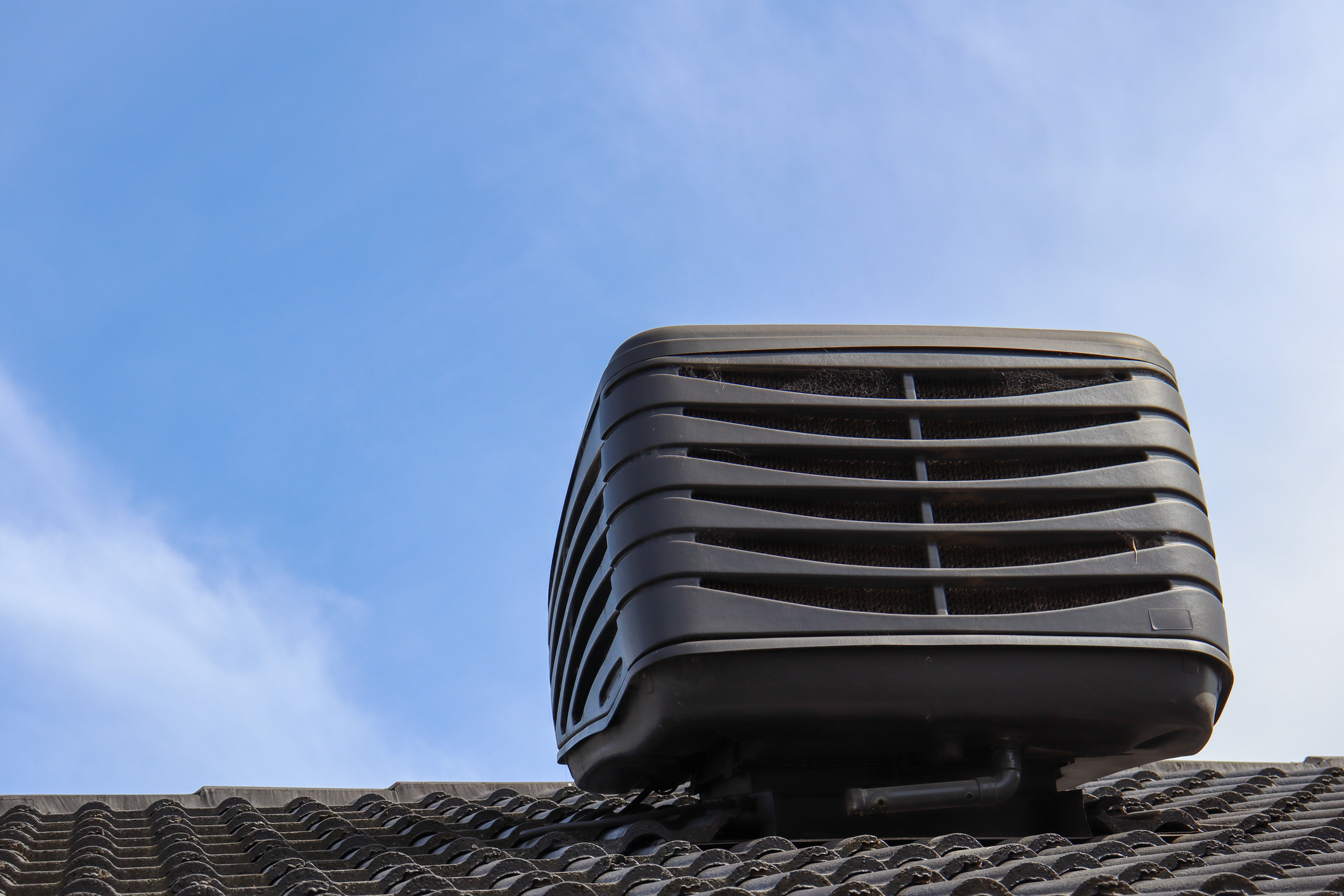
Evaporative cooler pads sit inside the unit on the roof, they get wet, and most homeowners never think about them until the system stops cooling properly. But those pads are the single most important consumable component in the entire evaporative cooling system Melton, and neglecting them has consequences that go well beyond a slightly warm house.
Regular pad replacement is one of the most straightforward and cost-effective maintenance tasks for any evaporative cooling system. It takes a technician a short amount of time, the materials are inexpensive, and the difference in system performance is immediate and noticeable. Yet it is also one of the tasks most commonly deferred, skipped, or forgotten between seasons. This guide explains exactly what happens when pads are not replaced on schedule — and why that decision costs far more in the long run than the pad replacement itself.
What Evaporative Cooler Pads Actually Do
Before understanding what goes wrong when pads are neglected, it is worth being clear about their function. Evaporative cooling pads — typically made from either cellulose (also known as wood-fibre or Chillcel-style pads) or synthetic media — are the medium through which warm outside air passes and is cooled. Water is continuously distributed over the pad surface, and as the warm air moves through the saturated fibres, evaporation removes heat from the air and cools it before it enters the duct system and reaches the living areas of the home.
For this process to work properly, the pads must be structurally intact, free of heavy mineral deposits, free of biological growth, and positioned correctly in their frames. The moment any of those conditions are compromised, cooling efficiency and airflow both deteriorate.
Reduced Cooling Efficiency
The most immediate and obvious consequence of aged pads is a noticeable drop in cooling performance. The system may still be running, water may still be flowing, and the fan may still be pushing air — but the temperature drop across the pads is significantly reduced compared to a system with fresh media.
Mineral Scale Buildup Reduces Evaporative Surface Area
Every litre of water that passes through an evaporative cooling system carries dissolved minerals. As water evaporates from the pad surface, those minerals are left behind. Over a season of regular use, this mineral residue accumulates inside the pad fibres, coating the internal surfaces and reducing the effective evaporative area.
- Scale-coated pad fibres cannot absorb and distribute water effectively, which means large sections of the pad may be running dry even when the pump is operating correctly.
- Dry sections of pad allow warm air to pass through without being cooled, raising the average temperature of the air delivered to the home. In Melton’s summer conditions, this can mean the difference between a genuinely comfortable home and one that only feels marginally cooler than outside.
- In areas with harder water, this mineral accumulation process occurs faster. Even if pads appear intact visually, they may already have significant internal scaling that dramatically reduces their cooling capacity.
Structural Deterioration Changes Airflow Patterns
Cellulose pads, the most commonly used type in Australian residential evaporative coolers, are designed to be replaced annually. As they age through a season of wetting and drying cycles, the fibres weaken and the pad structure begins to break down.
- Pads that have partially collapsed no longer fill their frames properly, creating gaps around the edges or through the body of the pad where air can bypass the wet media entirely. Air following this path is not cooled and enters the duct system at close to ambient temperature.
- Warped or sagging pads also create uneven water distribution across the pad face, as water follows the path of least resistance rather than spreading evenly through the media. This leads to some sections being over-saturated while others run dry.
- A pad that has deteriorated over two or three seasons without replacement may be delivering as little as half the cooling capacity of a fresh pad, even though the system appears to be operating normally from a purely mechanical standpoint.
Restricted Airflow and Increased Blower Load
Old, blocked pads do not just reduce cooling — they actively restrict the volume of air the blower can push through the system. This has knock-on effects throughout the entire unit that go beyond simply feeling warm indoors.
The Blower Works Harder Against Greater Resistance
When pads are clogged with scale, algae, or collapsed fibres, the blower motor must work against significantly greater static pressure to push the same volume of air through the system. This increased workload has several direct consequences.
- The blower motor draws more electrical current when working against high resistance, increasing the running cost of the system for the same cooling output — or rather, for less cooling output than the system should be delivering.
- Motors that are consistently overloaded run hotter than their design operating temperature, which accelerates wear on the motor windings and bearings. A motor that might otherwise last ten or more years can fail prematurely when it has been working against blocked pads for multiple seasons.
- Belt-driven systems experience additional belt wear when the motor works harder than normal. Belts under excessive load deteriorate faster and are more likely to slip or snap, causing a complete loss of airflow and an unplanned repair call.
Reduced Air Volume Reaching Living Areas
With more of the blower’s effort consumed overcoming pad resistance, less air actually makes it through to the duct system and out to the rooms below.
- Homeowners may notice the airflow from outlet grilles feels weak or the vents seem barely open even when the system is running at high speed. In most cases this is a direct consequence of clogged pads rather than a blower or duct problem.
- Rooms furthest from the unit — typically those at the end of the longest duct runs — suffer the most noticeable drop in airflow, as the reduced total air volume being pushed through the system does not reach the more distant parts of the home with adequate pressure.
Poor Air Quality Inside the Home
Evaporative cooling systems circulate large volumes of outdoor air through the home, which is part of their appeal — fresh air rather than recirculated refrigerated air. But when pads are heavily soiled, the system can actually introduce contaminants into the indoor air rather than filtering and cooling it.
Mould and Bacteria Growth in Aged Pads
Pads that are left in the unit at the end of summer without being cleaned and dried — or that are left in place and running into a second or third season — become an ideal environment for biological growth.
- Mould and algae thrive in the warm, wet, dark conditions inside an evaporative cooler, particularly in systems that are not properly winterised at the end of the cooling season. By the time the system is started up again the following summer, the pads may already be colonised.
- Air passing through pads with active mould or algae growth picks up spores and biological particles that are then distributed throughout the home via the duct system. This can aggravate respiratory conditions, allergies, and asthma — particularly in households with young children or elderly residents.
- The musty or unpleasant odour that some homeowners notice when they first start their evaporative cooler at the beginning of summer is often a direct indicator of biological growth in the pads — a clear sign that replacement is overdue.
Mineral Dust Entering the Air Stream
As heavily scaled pads deteriorate physically, loose mineral particles and pad fibre fragments can break off and be carried into the airstream by the blower.
- This particulate matter is distributed through the home via the duct outlets, potentially settling on furniture and surfaces and being inhaled by occupants.
- Homeowners who notice a white or dusty residue on surfaces near cooling vents, or who find debris in the water tray at the base of the unit, should treat this as a sign that the pads have significantly deteriorated and require immediate replacement.
Accelerated Damage to Other System Components
The consequences of neglected pads do not remain contained within the pads themselves. The additional stress placed on the system by aged, clogged media works its way through connected components over time, resulting in failures that are both more expensive and less predictable than a simple pad replacement.
Pump and Water System Deterioration
When mineral-laden water continuously cycles through a system with degraded pads, the mineral load in the reservoir water tends to increase. This concentrated mineral solution accelerates scale formation throughout the water distribution system.
- Pump impellers can become clogged or coated with mineral deposits, reducing pump efficiency and eventually causing complete pump failure. Replacing a pump is considerably more expensive than replacing a set of pads.
- Distribution pipes and spider manifolds can become blocked with scale, causing uneven water delivery to the pads — which in turn creates hot spots where dry pad sections allow uncooled air to pass through.
- Float valves can seize or fail to seal correctly when their seats are coated with mineral deposits, leading to water overflow or an inability to maintain the correct reservoir level.
Corrosion of the Unit Body and Tray
Debris and organic matter from deteriorating pads can accumulate in the water reservoir tray. This organic material breaks down in the water, creating an acidic environment that accelerates corrosion of the steel components of the unit body and tray.
- Rust and corrosion in the water tray can eventually cause leaks that damage the ceiling and roof structure below the unit — turning what began as a pad replacement job into a far more costly repair involving both the HVAC system and building fabric.
- Regular pad replacement, combined with a thorough end-of-season clean of the water tray, prevents the build-up of organic matter that drives this corrosion process and significantly extends the serviceable life of the unit body itself.
How Often Should Evaporative Cooler Pads Be Replaced?
The standard industry recommendation for cellulose (wood-fibre) evaporative cooling pads in Australian conditions is replacement once per year, at the start of each cooling season before regular summer use begins. Synthetic pads generally have a longer rated lifespan and may last two to three seasons under manufacturer guidelines, though this depends heavily on water quality and usage frequency.
- In Melton and surrounding areas of western Melbourne, the summer cooling season typically runs from October through to late March or April. An annual service in September or October, before the heat arrives, is the ideal time to replace pads and service all other components.
- Homes with hard water supplies may benefit from replacing cellulose pads mid-season in addition to the standard annual replacement, as mineral accumulation occurs faster in high-mineral-content water areas.
- High-use households — those running the system for extended hours each day throughout summer — will generally reach the end of the pad’s effective lifespan sooner than low-use households, even with the same water quality.
- Any pad that shows visible biological growth, significant structural collapse, or heavy mineral coating should be replaced immediately regardless of when it was last changed, as continuing to use it will worsen system performance and air quality.
Frequently Asked Questions
Can I clean evaporative cooler pads instead of replacing them?
Cellulose pads cannot be effectively cleaned and reused once they have accumulated significant mineral deposits or biological growth. Attempting to wash them can cause further structural breakdown and does not remove embedded scale from within the fibres. Synthetic pads can be rinsed and sometimes cleaned more successfully, but even these have a finite lifespan and should be assessed carefully before being returned to service.
What is the cost of evaporative cooler pad replacement?
Pad replacement costs depend on the size of the unit and the type of pad required. It is generally one of the lower-cost maintenance tasks on an evaporative cooling system, particularly when carried out as part of a comprehensive annual service. The cost of pad replacement is far lower than the cost of repairing a prematurely failed pump or blower motor that has been stressed by running against clogged pads season after season.
Will replacing the pads fix my evaporative cooler if it is running but not cooling?
If the system is running but not delivering effective cooling, pad replacement is the most common and statistically most likely fix — but it is not the only possible cause. The pump, water distribution system, and duct condition should all be assessed at the same time to ensure the pad replacement delivers the full expected improvement in performance.
My evaporative cooler smells bad when it first starts up — is that the pads?
In most cases, yes. A musty or stale smell at start-up indicates biological growth in the pads, the water reservoir tray, or both. This is particularly common in systems that were not properly dried and covered at the end of the previous season. Replacing the pads and thoroughly cleaning the tray and water system components should resolve the odour problem.
Conclusion
Evaporative cooler pad replacement is one of the most straightforward, affordable, and impactful maintenance tasks a Melton homeowner can carry out before each cooling season. Deferring it might seem like a cost saving in the short term, but the real cost accumulates quickly — through higher electricity bills, reduced comfort, poorer indoor air quality, and the accelerated wear of more expensive system components like pumps, motors, and belts.
New Image Heating and Cooling Melton provides comprehensive evaporative cooling services, including pad replacement, full system servicing, and component repairs. If your system is underperforming or hasn’t been serviced in more than a year, now is the time to get it sorted before the heat arrives. Call us on 0468 125 098 or use our online form to book a free quote — we will have your system running at its best before you need it most.



