
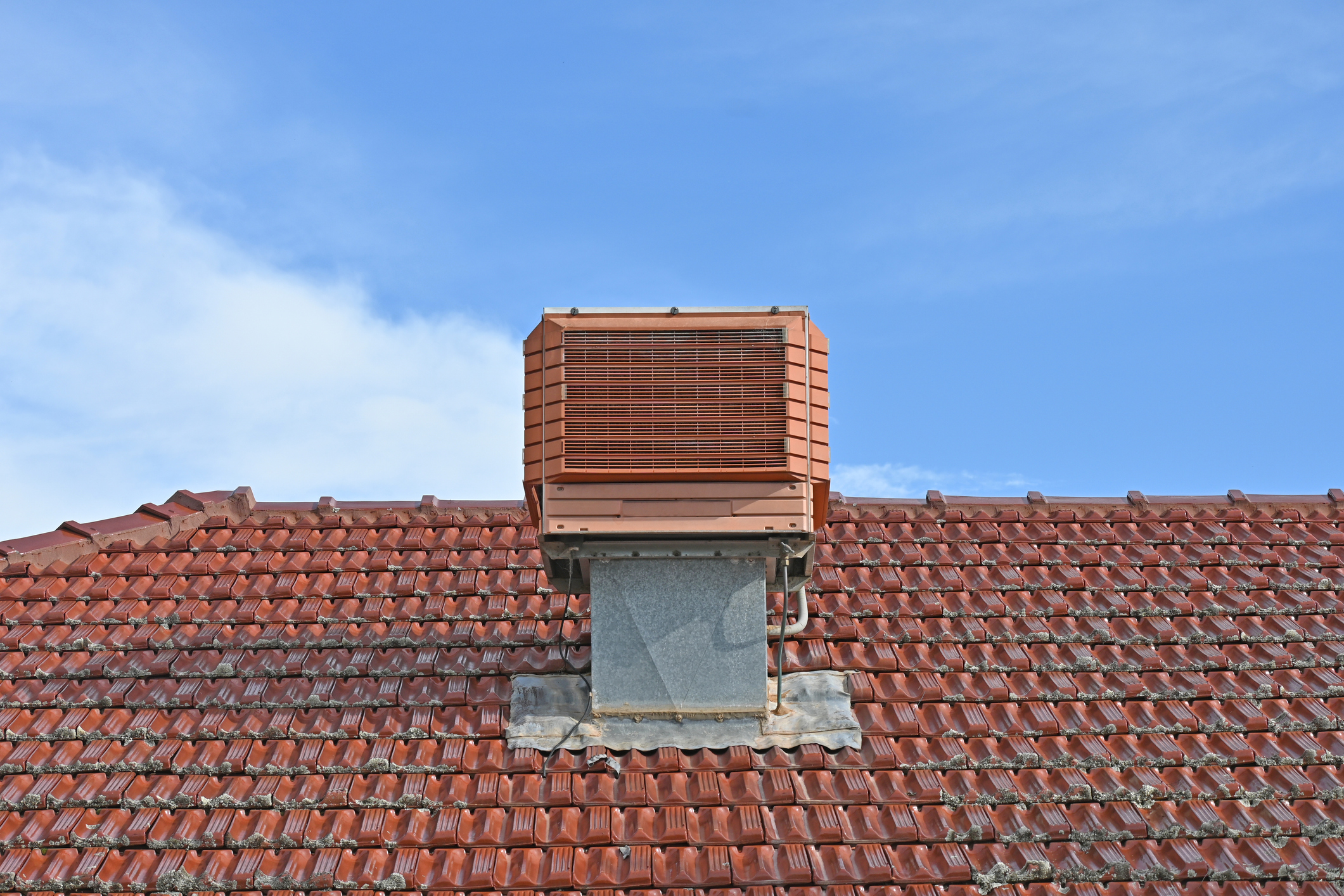
If you own an evaporative cooler in Bacchus Marsh, you have almost certainly experienced the puzzle of a system that delivers outstanding cooling on some days and barely takes the edge off on others. The unit is the same, the settings are the same, and nothing has obviously changed — but the difference in comfort between a good day and a bad day can be dramatic. This inconsistency is one of the most commonly misunderstood aspects of evaporative cooling, and it leads many homeowners to assume their system is faulty when it is actually working exactly as designed.
Understanding why evaporative cooling performance varies is not just academically interesting — it helps you get the most out of your system on every type of summer day, and it helps you know when variable performance is normal versus when it signals a genuine maintenance or repair need. Both matter, particularly in an area like Bacchus Marsh where summer conditions can shift significantly from day to day.
How Humidity Impacts Cooling Performance
To understand why evaporative cooling performance varies, you first need to understand the basic physics of how it works. Evaporative cooling is driven by the process of evaporation — when liquid water converts to vapour, it absorbs a significant amount of heat energy from the surrounding air. This heat removal is what cools the air passing through the wet cooling pads.
The critical factor that determines how effectively this process works is not the temperature of the air — it is the humidity of the air. Specifically, it is the difference between the air’s current moisture content and the maximum moisture it can hold at that temperature. This difference is what drives evaporation. The drier the air, the faster water evaporates from the pads, and the more cooling occurs. The closer the air is to saturation point, the slower evaporation proceeds, and the less cooling the system delivers.
Humidity Is the Primary Variable
This is the single most important factor in understanding why your evaporative cooler seems to work better on some days than others. Relative humidity is the dominant variable in evaporative cooling performance — more so than the outside temperature itself.
Low Humidity Days: When Evaporative Cooling Excels
On a classic dry summer day in Bacchus Marsh, with hot northerly winds, low cloud cover, and relative humidity in the range of 15% to 30%, an evaporative cooler can deliver impressive results that rival or exceed refrigerated air conditioning in comfort terms.
- With very low humidity, the air has a large capacity to absorb additional moisture through evaporation. Water evaporates rapidly from the cooling pads, removing substantial heat energy from the air in the process. The resulting temperature drop across the pads can be significant — often 10 to 15 degrees Celsius or more in ideal conditions.
- These are the days when the evaporative cooler truly earns its keep. The fresh, cool air it delivers feels comfortable, the indoor temperature drops quickly, and the system runs efficiently because the evaporation process is proceeding at its maximum rate.
- Bacchus Marsh, located in the Lerderderg Gorge corridor and surrounded by pastoral land, is well-suited to evaporative cooling during true heatwave conditions driven by dry continental air masses from the north. On these days, the system will typically outperform expectations.
High Humidity Days: When Performance Drops Noticeably
On days when humidity is elevated — following overnight rain, during a change in weather pattern, or when onshore maritime air masses move inland — the story changes completely. The same evaporative cooler that was delivering excellent cooling the day before may seem almost useless.
- When relative humidity is above 60% to 70%, the air is already carrying a substantial moisture load and has limited additional capacity to absorb water vapour through evaporation. The rate of evaporation from the pads slows significantly, and the temperature reduction across the pads is much smaller than on a dry day.
- On very humid days — particularly those above 75% to 80% relative humidity — evaporative cooling may provide only a modest temperature reduction of 2 to 5 degrees Celsius, which may or may not be enough to make the indoor environment feel comfortable depending on the outside temperature.
- Humid air that is cooled only slightly and then introduced into the home can actually feel clammy or muggy rather than refreshing, because the higher moisture content affects how the body perceives temperature — this is the “feels like” temperature effect that makes humid conditions so uncomfortable even when the thermometer reading is moderate.
- Bacchus Marsh can experience significantly different humidity levels across its seasons and even within a single week, depending on prevailing weather patterns. Days following rainfall or preceding a cool change often have elevated humidity that will temporarily reduce evaporative cooling effectiveness.
Wet Bulb Temperature: The Key Metric
For anyone who wants to understand evaporative cooling performance more precisely, the concept of wet bulb temperature is essential. Wet bulb temperature is effectively the lowest temperature that can be achieved through evaporative cooling under the current atmospheric conditions — it is the theoretical floor of what the system can deliver.
- On a dry day in Bacchus Marsh where the temperature is 38 degrees Celsius and the relative humidity is 20%, the wet bulb temperature might be around 20 to 21 degrees Celsius — meaning an evaporative cooler could theoretically cool air to within a few degrees of that figure, delivering genuinely cold air into the home.
- On a humid day where the temperature is 28 degrees Celsius but relative humidity is 75%, the wet bulb temperature might only be 24 to 25 degrees Celsius — so even a perfectly functioning evaporative cooler cannot reduce the indoor temperature much below what feels like a warm, sticky day.
- Understanding this helps homeowners contextualise what their system can and cannot do on any given day. Poor performance on a humid day is not a sign of a failing system — it is physics. Good performance on a dry day is not luck — it is the system working as designed.
- Wet bulb temperature can be calculated from the temperature and relative humidity figures available on most weather apps and bureau forecasts, or simply looked up on a psychrometric chart. Many experienced technicians use wet bulb temperature as the benchmark when assessing whether a system is performing correctly for the conditions.
Wind Direction and Speed
Wind conditions on the day also influence evaporative cooling performance, though the effect is more subtle than humidity and operates through a different mechanism.
How Wind Affects the System Unit on the Roof
The evaporative cooler draws air through its pads from outside. Wind direction and speed affect both the temperature and humidity of the air being drawn in, and can physically assist or resist the blower’s ability to push air through the pads.
- Strong winds blowing directly into the face of the pads can assist the airflow on that side of the unit but may create higher-than-normal static pressure on other pad faces, slightly reducing the total air volume being drawn through. The net effect is usually minor but can be noticeable in very strong wind conditions.
- Hot northerly winds in Bacchus Marsh typically bring very dry air, which is beneficial for evaporative cooling effectiveness. A strong hot northerly can actually deliver better cooling performance than a milder day with southerly maritime air, precisely because the dry air allows rapid evaporation from the pads.
- Cool southerly changes — a familiar feature of Melbourne’s summer weather pattern — bring cooler but often more humid air. The temperature of the incoming air drops, which is positive, but the accompanying humidity rise can partially offset the cooling benefit by slowing evaporation at the pad surface.
Wind and Ventilation Inside the Home
Evaporative cooling relies on warm air being expelled from the home through open windows and doors as the cooler pushes fresh air in. Prevailing wind conditions affect how readily this happens.
- On calm days, there is no external pressure differential to assist with air movement through the home, so the blower does all the work. The system still works effectively, but maximising ventilation by opening windows correctly is more important on still days than on windy ones.
- On windy days, opening windows on the leeward side of the house allows the prevailing wind to assist in drawing warm air out — effectively increasing the rate of air change through the home and improving the perceived cooling effect. Opening windows on the windward side can oppose this flow and reduce effectiveness.
Time of Day and Thermal Mass Effects
Evaporative cooling performance also varies across the hours of the day, and understanding these patterns helps homeowners use their systems more intelligently to maintain indoor comfort through the hottest parts of summer.
Morning Performance vs Afternoon Performance
In most cases, evaporative coolers perform better in the morning than in the mid-to-late afternoon, even on the same day with unchanged system settings.
- Outside temperature peaks in the mid-afternoon, typically between 2pm and 4pm. While higher temperature does not directly reduce evaporative cooling effectiveness (it is humidity, not temperature, that matters most), a higher baseline temperature means the air delivered to the home is already starting from a higher point — so even effective evaporative cooling may not bring the indoor temperature to the same level of comfort as it achieved in the morning.
- On many Melbourne summer days, humidity also tends to shift during the day, sometimes increasing in the afternoon hours as southerly changes approach from the coast. This afternoon humidity rise can coincide with peak temperature to create the most challenging conditions of the day for evaporative cooling.
- Starting the evaporative cooler early in the morning, before the house has absorbed significant heat, allows the system to maintain a comfortable indoor temperature with less effort. Trying to cool a house that has already absorbed hours of radiant heat through its walls, roof, and windows requires far more work from the system than preventing that heat gain in the first place.
Running the System at Night
Evaporative cooling typically performs exceptionally well at night and in the early morning hours, when outside temperatures drop and relative humidity may still be moderate. Running the system on low speed in the evening to exhaust the day’s accumulated heat from the house and cool the thermal mass of the structure is an effective strategy for improving the following day’s comfort.
- Brick and concrete homes with significant thermal mass benefit greatly from overnight ventilation, as cooler air circulated through the home overnight is stored in the walls and slab, helping to resist heat gain through the following morning.
- Be mindful that on nights following particularly humid days, the outside air at night may itself be humid enough to reduce evaporative efficiency. On those nights, simply opening windows for natural ventilation may be equally or more effective than running the cooler.
When Variable Performance Signals a Genuine Problem
While most day-to-day performance variation in evaporative cooling is weather-related and normal, there are situations where inconsistent performance signals a genuine maintenance or repair issue that should not be attributed to the weather.
- If the system performs noticeably worse than it did in previous seasons on days with comparable weather conditions, the most likely cause is pad deterioration, scale build-up on pads or the water distribution system, or a reduction in blower performance due to a worn belt or degraded motor.
- Intermittent cooling — where the system is effective for a period and then loses cooling suddenly — can indicate a pump that is cutting in and out due to an electrical fault, a float valve that is intermittently cutting water supply, or pads that have partial dry sections due to blocked distribution pipes.
- If the system performs adequately in some rooms but poorly in others regardless of weather conditions, the issue is likely in the ductwork — collapsed flexible ducting, disconnected joints, or grilles that are partially blocked or incorrectly adjusted.
- A system that has not been serviced in more than one season will almost always show reduced performance compared to a well-maintained unit, even under identical weather conditions. Annual servicing is the baseline requirement for consistent, reliable performance.
Frequently Asked Questions
Why does my evaporative cooler work well on some hot days but not others of the same temperature?
As mentioned, temperature alone does not determine evaporative cooling effectiveness — humidity does. Two days with the same maximum temperature can have very different humidity levels, which will produce noticeably different cooling results from the same system. Check the relative humidity on days when the system performs poorly and compare it to days when it performs well — the correlation will usually be clear.
Is evaporative cooling suitable for Bacchus Marsh’s climate?
Yes. Bacchus Marsh experiences a climate that includes many dry, hot summer days where evaporative cooling is highly effective. It is also subject to weather pattern changes that bring higher humidity, on which days performance will naturally be reduced. For homes in the region, evaporative cooling is a practical and cost-effective choice for the majority of summer days, though households that experience frequent and prolonged humid spells may benefit from a hybrid approach that includes some refrigerated cooling capacity for those specific conditions.
How can I tell if my system is underperforming due to the weather versus a mechanical fault?
Check the relative humidity and compare the system’s current output against its previous performance on days with similar humidity levels. If the system is performing consistently with past experience under similar conditions, it is likely working correctly and the variation is weather-driven. If it is performing noticeably worse than previous seasons on comparable days, a mechanical or maintenance issue is the more likely explanation and a service call is warranted.
What time of day should I start my evaporative cooler?
Start the system early in the morning before the house begins to absorb significant radiant heat — typically before 9am on days forecast to exceed 30 degrees Celsius. Pre-cooling the home and its thermal mass before peak heat arrives is far more efficient than attempting to recover from a hot house in the early afternoon. Keep windows open appropriately throughout the day to maintain airflow and allow warm air to escape as cooled air enters.
Conclusion
The variable performance of an evaporative cooler from day to day is not a mystery or a sign that the system is unreliable — it is a direct and predictable response to the changing moisture content of the air. On dry days, evaporative cooling is outstanding. On humid days, it works within the limits that physics imposes. Understanding this helps homeowners in Bacchus Marsh make smarter decisions about when and how to run their system, how to ventilate their home effectively, and when to contact a technician because performance has dropped beyond what the weather alone can explain.
At New Image Heating and Cooling, we service evaporative cooling systems throughout Bacchus Marsh and the surrounding region. Whether you want to ensure your system is performing at its best heading into summer, or you have noticed a genuine decline in performance that has you concerned, our team is ready to help. Call us on 0468 125 098 or get in touch through our online form to book a free, no-obligation inspection today.



