
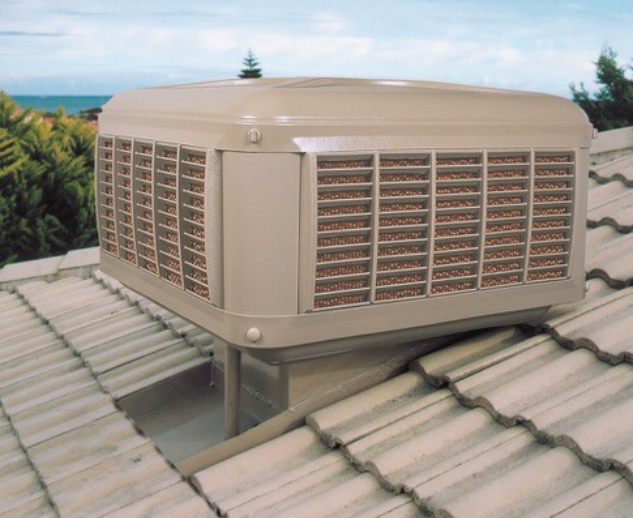
If you’ve invested in an evaporative cooling system Melton, it’s a fair question to ask: how long is this thing actually going to last? Whether you’re planning ahead for a replacement or trying to work out whether your current system is worth servicing, understanding the typical lifespan of evaporative cooling systems will help you make smarter decisions about your home comfort.
The good news is that evaporative coolers are among the most durable home cooling systems available. With the right care and the right conditions, a quality unit can keep your Melton home comfortable for well over a decade. But lifespan isn’t just about the brand — it comes down to how the system is used, serviced, and looked after season to season.
What Is the Typical Lifespan of an Evaporative Cooler?
Most evaporative coolers are built to last between 10 and 20 years. That’s a wide range, and the difference comes down almost entirely to maintenance habits and operating conditions. A well-maintained unit in a dry climate like Melton’s can comfortably reach the higher end of that range, while a neglected system in a harsh environment may start showing signs of failure within 7 to 10 years.
It’s also worth noting that individual components wear out at different rates. The cooling pads, for example, typically need replacing every 3 to 5 years regardless of how well the rest of the system is cared for. Pumps and motors can last anywhere from 5 to 15 years depending on usage and water quality. Understanding which parts wear first helps you stay ahead of problems before they become costly.
Factors That Affect How Long Your Evaporative Cooler Lasts
Several variables influence whether your unit reaches 10 years or pushes toward 20. Being aware of them gives you a real advantage in extending your system’s working life.
Maintenance Frequency
Regular servicing is the single biggest factor in evaporative cooler longevity. Systems that are cleaned, inspected, and serviced before each cooling season consistently outlast those that are only touched when something goes wrong.
- Annual pre-season servicing clears mineral deposits, checks pad condition, and inspects motor and pump performance.
- Cleaning the pads and water reservoir at the start and end of each summer prevents the build-up of bacteria, mould, and scale.
- Draining and covering the unit during winter protects internal components from freeze damage and debris accumulation.
- Professional servicing every one to two years catches issues before they cause major component failure.
Water Quality
The quality of water running through your evaporative cooler has a direct and often underestimated impact on how long the system lasts. Hard water — water with high mineral content — leaves behind calcium and magnesium deposits that clog pads, corrode components, and reduce efficiency over time.
- Mineral scale builds up on pads and inside water distribution lines, reducing airflow and cooling performance.
- Corrosion caused by mineral-rich water can shorten the lifespan of the pump, water tray, and internal fittings.
- Using a water treatment product or descaler during servicing helps control mineral build-up between cleans.
- Flushing the system regularly during summer reduces the concentration of minerals in the water reservoir.
Climate and Local Conditions
Melton’s climate is generally well-suited to evaporative cooling. The area experiences hot, dry summers with relatively low humidity — ideal conditions for evaporative systems to perform efficiently without placing excess strain on components. However, local conditions still play a role.
- Systems operating in consistently dry conditions don’t have to work as hard to achieve cooling, reducing wear on the motor and fan.
- Dust and airborne debris common in Melton’s western suburbs can clog cooling pads and air filters more quickly, requiring more frequent cleaning.
- UV exposure on rooftop-mounted units can degrade casing and seals over time without appropriate cover or protection during the off-season.
- On the rare high-humidity days Melton does experience, running the system on fan-only mode reduces unnecessary wear.
Quality of the Unit and Installation
Not all evaporative coolers are built to the same standard, and the quality of the original installation matters just as much as the unit itself.
- Reputable brands with quality components generally outlast cheaper alternatives, even with similar maintenance schedules.
- A correctly sized unit for your home’s floor area doesn’t have to work as hard, reducing strain and extending lifespan.
- Proper installation by a licensed heating and cooling specialist Melton ensures water connections, ductwork, and electrical components are configured correctly from day one.
- Poor installation — including undersized ducting or incorrectly positioned outlets — causes the system to run harder than it should, shortening its lifespan.
How Often the System Is Used
How intensively you run your evaporative cooler through summer also affects how quickly components wear.
- Running the system 24 hours a day during extended heatwaves places more strain on the motor and pump than intermittent use.
- Using the fan-only mode during milder days rather than running on full cooling reduces unnecessary wear on the pump and pads.
- Turning the cooler off on days when outdoor humidity is above 50% prevents the system from working inefficiently and causing moisture issues inside the home.
Component Lifespan: What Wears Out First?
Understanding the lifespan of individual components helps you budget for maintenance and avoid being caught off guard by a breakdown.
Cooling Pads
Cooling pads are the hardest-working component in any evaporative system and the one that needs the most frequent attention.
- Most cooling pads need replacing every 3 to 5 years, though this can vary based on water quality and usage intensity.
- Pads that are heavily scaled or physically breaking down should be replaced immediately, as degraded pads reduce cooling efficiency and allow debris into the air stream.
- Cellulose pads are most common in residential systems and are generally more efficient than older synthetic alternatives.
- Inspecting pads at the start of each season is a simple task that prevents larger problems down the track.
Water Pump
The water pump circulates water over the cooling pads and is one of the more commonly replaced components in an evaporative system.
- Pumps typically last between 3 and 10 years depending on water quality, usage frequency, and the quality of the original component.
- A failing pump will often cause uneven water distribution across the pads, reducing cooling efficiency noticeably.
- Flushing the pump and clearing blockages during annual servicing extends its working life significantly.
- Pump replacement is a relatively low-cost repair that prevents further damage to other components if caught early.
Fan Motor
The fan motor drives the airflow through the system and into your home. It’s a robust component but not immune to wear over time.
- Fan motors on quality units can last 10 to 15 years with proper lubrication and regular servicing.
- Unusual noise — grinding, rattling, or high-pitched sounds — from the fan motor is an early warning sign that bearings or belts need attention.
- Keeping the fan area free of debris and dust reduces unnecessary load on the motor.
- Lubricating fan bearings as part of an annual service is a simple step that significantly extends motor life.
Casing and Water Tray
The outer casing and water tray are exposed to the elements year-round and can deteriorate over time, particularly in units without winter cover protection.
- Plastic casings are generally more resistant to corrosion than steel, but UV exposure can cause cracking and brittleness over time.
- Steel water trays in older units are prone to rusting, particularly if the system isn’t properly drained at the end of summer.
- Covering the unit during winter protects casing and seals from UV damage, debris accumulation, and potential water ingress.
- Cracking or significant corrosion on the casing is often a sign that the unit is approaching the end of its useful life.
Signs Your Evaporative Cooler Needs Replacement
Even with the best maintenance, every evaporative cooler eventually reaches the end of its working life. Knowing when to repair versus replace saves you money and keeps your home comfortable through Melton’s hottest months.
Declining Cooling Performance
If your system is running but your home isn’t cooling to the level it once did, this is one of the clearest signs that something is wrong.
- Reduced airflow or weak output despite the fan running at full speed often points to a failing motor or clogged ductwork.
- Consistently warm air from the outlets, even after pad replacement, can indicate the system no longer has the capacity to cool your home adequately.
- If performance has declined steadily over multiple seasons rather than suddenly, the unit may simply be at the end of its life.
Frequent Breakdowns
One repair call per season is manageable. Multiple call-outs across a single summer is a sign that the system is no longer cost-effective to maintain.
- When repair costs are regularly adding up to more than 30 to 50 per cent of the cost of a new system, replacement becomes the more economical option.
- Repeated failure of the same component — such as a pump that keeps blocking — may indicate that underlying corrosion or scale is causing ongoing damage.
- An older system requiring an expensive major component replacement (motor, full pad set, water tray) is often better replaced entirely.
Unusual Odours or Air Quality Issues
A musty or stale smell from your evaporative cooler can indicate mould or bacterial growth inside the system.
- Mould in older systems can be deeply embedded in degraded pads and water trays, making it difficult to fully eliminate through cleaning alone.
- If odour problems persist after a thorough service and pad replacement, the internal components may be beyond effective remediation.
- Air quality issues from an older unit can affect the health of your household, making timely replacement a priority.
How to Maximise the Lifespan of Your Evaporative Cooler
The good news for Melton homeowners is that the local climate is well-suited to evaporative cooling, and a few consistent habits can push your system well toward the upper end of its potential lifespan.
Schedule Annual Professional Servicing
A professional service before the start of each cooling season is the most effective investment you can make in your system’s longevity.
- A technician will inspect pads, pump, motor, water distribution lines, ductwork, and all electrical connections.
- Any worn or failing components can be identified and replaced before they cause a mid-summer breakdown.
- Professional cleaning removes mineral scale and biological build-up that DIY cleaning often misses.
Drain and Cover the System at the End of Summer
What you do at the end of the cooling season matters as much as what you do at the start.
- Fully draining the water reservoir prevents stagnant water from sitting over winter, which causes scale, corrosion, and bacteria growth.
- Fitting a proper winter cover protects the unit from UV damage, rain ingress, debris, and pest entry.
- Leaving pads in place over winter is acceptable for quality cellulose pads, but checking their condition before the next season is essential.
Keep the Area Around the Unit Clear
Debris, leaves, and dust are among the most common causes of blocked pads and airflow restriction in Melton homes.
- Regularly check for leaves, bird nests, or debris around rooftop units, particularly after windy periods.
- Ensure adequate clearance around the unit to allow unobstructed airflow and easy access for servicing.
- Clean external filters at least once per month during active use to maintain airflow efficiency.
Frequently Asked Questions
How often should evaporative cooler pads be replaced?
Cooling pads should typically be replaced every 3 to 5 years. However, if you notice a significant reduction in cooling performance, visible scale build-up that won’t clean off, or physical deterioration of the pad material, they should be replaced sooner. Annual inspection at the start of each season is the best way to catch pad wear early.
Is it worth repairing an evaporative cooler that is more than 15 years old?
It depends on the condition of the unit and the cost of the repair. If the system is still performing well and the repair is minor, it may be worth proceeding. However, if a 15-plus-year-old unit requires a major component replacement such as a new motor or water tray, the cost often approaches that of a new system. A licensed technician can assess the overall condition and advise whether repair or replacement is the better investment.
Can hard water damage my evaporative cooler faster?
Yes. Hard water accelerates mineral scale build-up on the cooling pads, pump, and water distribution lines. Over time this reduces efficiency, causes blockages, and corrodes components. If your Melton home has harder water, more frequent pad inspections and the use of a water treatment product during servicing will help offset this effect and extend your system’s lifespan.
Conclusion
A well-maintained evaporative cooler is one of the most cost-effective ways to keep your Melton home comfortable through summer. The difference between a system that lasts 10 years and one that reaches 20 almost always comes down to how consistently it’s been looked after — and that’s where the right service partner makes all the difference.
At New Image Heating and Cooling, we service, repair, and install evaporative cooling systems. Whether your system is due for its annual pre-season service, showing signs of wear, or you’re ready to discuss a replacement, our team provides honest assessments and quality workmanship you can rely on.
Contact us today to book a service or request a free quote. Call us at 0468 125 098 or submit our online form. We’ll help you get the most out of your evaporative cooler, season after season.



