
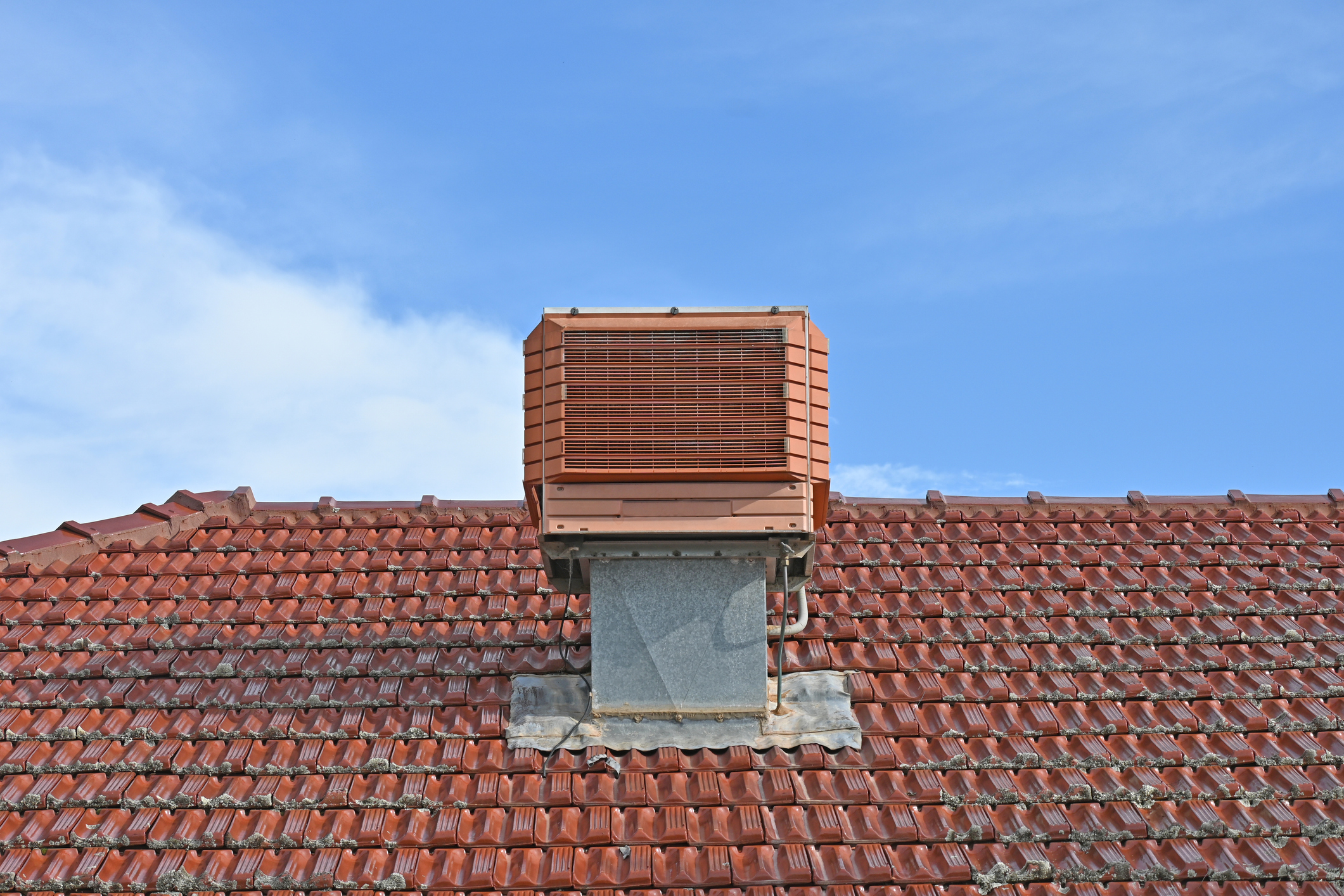
An evaporative cooling system Melton that is leaking water is one of the more common service calls we receive. What starts as a small drip can quickly escalate into water damage on your ceiling, rusted components, or a system that stops working altogether at the worst possible time — the middle of a heatwave.
The good news is that most evaporative cooler leaks have identifiable causes and straightforward fixes. Some you can address yourself with basic maintenance; others require a licensed technician to inspect and repair correctly. This guide walks you through every common cause, how to spot it, and what to do about it — so you can act quickly and protect both your system and your home.
How an Evaporative Cooler Handles Water
Before diagnosing a leak, it helps to understand how water moves through the system. An evaporative cooler continuously pumps water from a reservoir up to distribution channels at the top of the unit. That water trickles down through the cooling pads, saturating them evenly. Air drawn through the wet pads picks up moisture through evaporation, dropping its temperature before entering your home through the duct system.
The reservoir is kept at a constant level by a float valve connected to your mains water supply — similar in principle to the fill valve in a toilet cistern. The system also performs periodic bleed-off cycles, discharging a portion of reservoir water to prevent mineral concentration. With all of these water pathways active, there are several places a leak can originate, and not all of them are immediately visible from the ground.
What Causes an Evaporative Cooler to Leak?
Faulty or Stuck Float Valve
The float valve controls how much water enters the reservoir. When it fails or gets stuck in the open position, water overfills the reservoir and has nowhere to go except over the sides of the unit.
- A faulty float valve is one of the most frequent causes of persistent overflowing and water dripping from the unit
- Mineral scale buildup on the valve seat can prevent it from seating properly, leaving it partially open even when the reservoir is full
- Signs include continuous water flowing from the drain or overflow outlet even when the system is running normally
- Float valve replacement is a straightforward repair for a technician and is one of the most common maintenance items on older evaporative systems in Melton
Cracked or Corroded Water Tray
The water tray (also called the sump or reservoir pan) sits at the base of the unit and holds the water supply. Over time, trays can crack from UV exposure, freeze-thaw cycles, or simply age-related degradation.
- Steel trays on older units can rust through, creating pinhole leaks that gradually worsen over the season
- Plastic trays can crack, particularly if the unit has been subjected to significant temperature swings or physical impact
- A cracked tray typically produces a slow, steady drip that increases when the water level rises during normal operation
- Depending on the severity and the material, a cracked tray may be temporarily sealed with appropriate waterproof sealant, but a full tray replacement is the correct long-term fix
Blocked or Misaligned Drain Outlet
Every evaporative cooler has a drain outlet that allows the reservoir to be emptied at the end of the season or during the bleed-off cycle. If this outlet is blocked, water has no controlled path out and will overflow wherever it can find an exit.
- Mineral scale, debris, and insect nesting material are the most common causes of blockages in drain outlets on Melton rooftop units
- A misaligned drain hose — one that has slipped or been dislodged — can direct water in the wrong direction, resulting in pooling on the roof or leaking into the ceiling cavity
- Clearing a drain blockage is often a simple maintenance task, but inspecting the full drain path requires safe roof access
Damaged or Worn Water Distribution Channels
Water is delivered to the top of the cooling pads via distribution channels or spreader bars. If these are cracked, blocked, or misaligned, water will not distribute evenly across the pads and can pool and overflow at low points.
- Uneven water distribution causes some sections of the pads to become over-saturated while others dry out, reducing cooling efficiency and creating conditions for localised overflow
- Cracked plastic distribution bars are a common issue on units that are five or more years old, particularly those exposed to intense UV on north-facing rooftops
- Replacing distribution channels during an annual service prevents this issue from developing and keeps pad saturation even across the full cooling surface
Deteriorated or Overly Saturated Cooling Pads
Cooling pads that are at the end of their service life or have become heavily scaled cannot absorb and retain water the way they should. Instead of water wicking evenly through the pad, it runs straight through and drips off the bottom of the frame.
- Heavy mineral scale on the pads creates hard surfaces that repel water rather than absorbing it, producing visible runoff and dripping from the base of the unit
- Organic growth — algae or mould — within old pads can similarly disrupt water absorption and create unpleasant odours alongside the leaking
- Replacing pads at the start of each cooling season is the most reliable way to prevent both pad-related leaks and reduced cooling performance
Pump Seal Failure
The water pump circulates water from the reservoir to the distribution channels. A failing pump seal can allow water to escape around the pump body rather than through the intended water channels.
- Pump seal failure is more common on units that have been allowed to run dry at any point — a situation that rapidly accelerates seal wear
- Leaks originating at the pump itself are usually visible as water pooling directly beneath the pump mounting point inside the unit
- A failed pump seal typically requires pump replacement rather than a seal-only repair, as replacement pumps are generally more cost-effective than sourcing individual seals for older units
Supply Line or Fitting Leaks
The mains water supply line connects to your evaporative cooler via a fitting at the base or side of the unit. Older fittings, particularly those made of plastic or lower-grade brass, can develop leaks at the connection point.
- Supply line leaks are often slow and may only become visible as water staining on the roof surface or corrosion around the fitting point
- Flexible supply hoses that have aged, kinked, or been exposed to prolonged UV can crack and develop pinhole leaks
- Replacing aged supply fittings and hoses during a service visit is inexpensive preventative maintenance that avoids this type of slow ongoing leak
Is Some Water Dripping Normal?
Homeowners often ask whether any dripping from an evaporative cooler is normal. The honest answer is: a small amount can be, but most dripping warrants investigation. Here is how to tell the difference:
- Normal: A brief drip from the drain outlet during a bleed-off cycle, which typically lasts for a minute or two at intervals throughout the day
- Not normal: Persistent dripping from the base of the unit, from the ceiling below the unit, or from any point on the unit’s body during normal operation
- Not normal: Water pooling on the roof surface around the unit between bleed-off cycles
- Not normal: Water staining appearing on the ceiling directly below the unit — this indicates water is entering the ceiling cavity and the situation needs urgent attention
What Happens If You Ignore an Evaporative Cooler Leak
A slow leak left unaddressed can cause damage well beyond the evaporative cooler itself. The consequences escalate quickly and the costs compound over time.
Ceiling and Structural Damage
Water leaking from the unit into the ceiling cavity saturates insulation, weakens plasterboard, and can travel along timber frame members further than you might expect from the point of entry.
- Saturated insulation loses its thermal properties and becomes a medium for mould growth that is difficult and expensive to remediate
- Plasterboard that becomes water damaged will bubble, sag, and eventually collapse if the moisture source is not removed
- Timber framing exposed to prolonged moisture can develop rot and compromise the structural integrity of the roof structure
Accelerated System Corrosion
Water pooling inside or around the base of the unit accelerates corrosion of metal components, particularly on steel-bodied units common on homes built in the 1990s and 2000s across Melton.
- Rust progressing through the base tray can eventually create new holes and allow more extensive leaking than the original fault
- Corrosion around electrical components — pump wiring and motor terminals — creates a safety risk that goes beyond the leak itself
- Early intervention prevents the corrosion cascade; a unit with a minor leak that is repaired promptly can have years of reliable service remaining
Increased Water Bills
A float valve that fails open or a supply line with a slow drip runs continuously from your mains connection, meaning water is flowing to the unit whether it is operating or not.
- An unseated float valve can discharge hundreds of litres per day in addition to normal operating consumption
- Because evaporative coolers are typically connected to outdoor supply lines without sub-meters, these leaks can go unnoticed until a quarterly water bill arrives
- If you notice your water bills increasing through summer without a clear explanation, your evaporative cooler should be inspected as one of the first candidates
What To Do When You Notice a Leak
If you spot water coming from your evaporative cooler or notice ceiling staining below the unit, take these steps in order:
- Turn the unit off at the controller and allow the pump to stop completely
- Turn off the water supply to the unit at the isolation tap on the supply line — this prevents any further water entering the system
- Do not attempt roof access without the appropriate equipment and confidence in working at height safely
- Note the symptoms: Where is the drip coming from? How much water? How long has it been happening? This information will help a technician diagnose the fault faster
- Contact a heating and cooling specialist Melton to inspect the unit, identify the source of the leak, and carry out the necessary repairs before the cooling season gets underway
How to Prevent Leaks in an Evaporative Cooler
The most effective way to avoid evaporative cooler leaks is a thorough annual service before the start of the cooling season. A properly conducted service addresses most of the fault modes that lead to leaking.
- Float valve inspection and testing: Confirming the valve opens and closes correctly and seats properly to prevent overflow
- Tray inspection: Checking for rust, cracks, or holes in the reservoir pan and addressing them before the season starts
- Pad replacement: Fitting new pads removes the risk of leak-causing scale buildup and restores proper water absorption
- Distribution channel check: Confirming water distributes evenly across all pads without pooling or overflow at any point
- Drain and bleed-off inspection: Ensuring the drain outlet is clear and the bleed-off hose is correctly positioned and directing water away from the unit and roof structure
- Supply line and fitting check: Inspecting all water connections for signs of wear, cracking, or corrosion and replacing where needed
Frequently Asked Questions
Why is my evaporative cooler leaking water when it is turned off?
If water continues to drip from your unit after it has been switched off, the most likely cause is a faulty float valve that is not fully closing the mains water supply to the reservoir. This allows water to keep entering the system and eventually overflow. It can also indicate a cracked tray or supply fitting that leaks independently of whether the unit is running. In either case, turn off the isolation tap to the unit and arrange an inspection.
Can I use my evaporative cooler if it is leaking?
We recommend against continuing to operate a leaking unit. Even a small leak can cause water to enter the ceiling cavity or pool around electrical components within the unit, creating both structural damage and safety risks. Turn the unit off and the water supply off at the isolation tap until the leak source has been identified and repaired.
Conclusion
A leaking evaporative cooler is not something to put off until next summer. The longer water is allowed to find its own path through your unit, across your roof, or into your ceiling cavity, the more expensive and disruptive the repair becomes. Most leaks start small, with a clear and fixable cause, and are straightforward to resolve when caught early.
If your evaporative cooler is dripping, overflowing, or showing signs of water damage, the team at New Image Heating & Cooling is ready to help. We service and repair evaporative cooling systems throughout Melton and western Melbourne, and we carry the parts needed to resolve most common leaks in a single visit. Call us on 0468 125 098 or fill in our online enquiry form and we will get you booked in promptly. Do not wait until a small drip becomes a ceiling replacement.



