
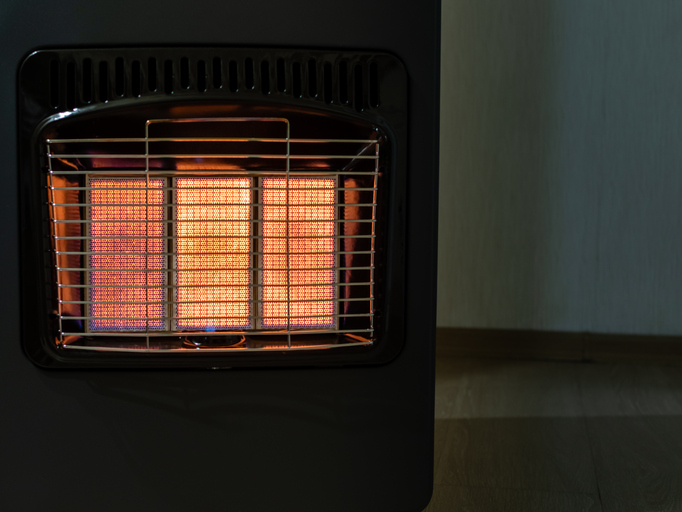
When the temperature drops, reaching for the gas heater is second nature. It’s familiar, it’s fast, and it heats a room effectively. But if that heater hasn’t had a professional service in two, three, or more years, you may be running it in a condition that creates genuine safety risks for everyone in the home.
Gas heaters are not like appliances that simply stop working when something goes wrong. Many faults develop gradually and remain invisible to the untrained eye while continuing to pose risks. Understanding what can go wrong, and why regular servicing matters, is something every household should know before relying on a gas heating system in Melton through the winter months.
Why Gas Heater Safety Cannot Be Assumed
Gas appliances are subject to wear and degradation over time. Burners accumulate dust and debris. Seals and gaskets deteriorate. Heat exchangers can develop cracks that are invisible without inspection. Flue systems can become blocked by nesting animals, built-up carbon deposits, or physical damage. None of these faults necessarily make the heater stop working, but they can make it dangerous to operate.
The Core Risks of an Unserviced Gas Heater
- Carbon monoxide poisoning: This is the most serious risk. A cracked heat exchanger or blocked flue can cause combustion gases, including carbon monoxide, to enter the living space instead of being exhausted outside. Carbon monoxide is colourless and odourless, making it impossible to detect without a detector. Symptoms of exposure include headaches, nausea, dizziness, and confusion, and at high concentrations, it can be fatal.
- Gas leaks: Deteriorating connections, cracked gas lines, or damaged burner components can allow unburned gas to escape. A gas leak creates a risk of explosion if the gas accumulates and reaches an ignition source.
- Incomplete combustion: When a burner is dirty or misaligned, it may not burn gas completely. This produces higher levels of carbon monoxide and other harmful combustion byproducts, and also wastes gas.
- Overheating: Blocked vents, dirty filters, or a malfunctioning thermostat can cause the unit to overheat, which can damage the system, trigger a fire risk, or cause the heater to cycle unpredictably.
- Pilot light or ignition faults: An ignition system that fires unreliably may allow gas to accumulate briefly before igniting, creating small but repeated pressure events that stress the burner and gas valve over time.
How Long Is Too Long Between Services?
Gas Safe Australia and most major gas heater manufacturers recommend that gas heating appliances be serviced by a licensed gasfitter at least every two years, and ideally annually for systems used heavily through winter. In Victoria, ducted gas heating systems that are used in shared or rental properties have specific compliance requirements around servicing intervals.
Signs Your Heater Is Overdue for a Service
- Yellow or orange flame instead of blue: A healthy gas burner produces a predominantly blue flame. Yellow or orange colouring indicates incomplete combustion and elevated carbon monoxide production.
- Soot or black marks near the heater: This is a sign that combustion gases are not being exhausted properly and may be leaking back into the room.
- Unusual smells: A faint gas smell near the heater, or a sulphur-like odour, requires immediate attention. If you smell gas strongly, turn the heater off, open windows, and contact a licensed gasfitter or your gas supplier immediately.
- Increased heating bills: A heater that is running inefficiently will use more gas to produce the same amount of heat, which shows up in your energy bills.
- The heater is taking longer to heat the room: Reduced output is often a sign of a dirty burner, faulty heat exchanger, or deteriorating components.
- The heater turns itself off unexpectedly: This can indicate a faulty thermocouple, a blocked flue, or a safety cutout activating to prevent overheating.
- Headaches or nausea when the heater is running: This is a serious warning sign. If occupants of the home feel unwell when the heater is on and symptoms improve when they leave the house or open windows, carbon monoxide exposure is a possibility. Stop using the heater immediately and seek professional inspection.
What Happens During a Professional Gas Heater Service?
A professional gas heater service carried out by a licensed team is not simply a clean and a visual check. It is a systematic inspection of every component that affects safe operation, followed by any adjustments or repairs needed to bring the system back to a safe and efficient condition.
What a Service Includes
- Flue inspection: The flue is checked for blockages, corrosion, damage, and correct connection to ensure combustion gases are being safely exhausted.
- Heat exchanger inspection: The heat exchanger is inspected for cracks or deterioration. A cracked heat exchanger is one of the most serious faults and requires immediate repair or replacement.
- Burner cleaning and inspection: Burners are cleaned of dust, debris, and carbon deposits, and inspected for damage or misalignment.
- Gas pressure check: The incoming gas pressure is measured and compared against the manufacturer’s specifications to ensure the burner is receiving the correct supply.
- Combustion analysis: The quality of combustion is tested using appropriate equipment to confirm that gas is being burned completely and that carbon monoxide levels in the flue gases are within safe limits.
- Thermocouple and pilot inspection: The thermocouple (the safety device that shuts off gas if the pilot light goes out) is tested and replaced if it is not responding correctly.
- Filter cleaning or replacement: Return air filters are cleaned or replaced to maintain adequate airflow through the system.
- Gas leak check: All gas connections and fittings are checked for leaks using appropriate detection methods.
- Safety control testing: Overtemperature cutouts and other safety devices are tested to confirm they activate at the correct threshold.
Carbon Monoxide Detectors: A Non-Negotiable Addition
Regardless of how recently your gas heater was serviced, installing at least one carbon monoxide detector in your home is strongly recommended. Unlike smoke detectors, CO detectors are not mandatory in Australian homes in most states, but the risk they protect against is very real. In homes that rely on gas heating through the winter, a CO detector provides an essential safety net against a fault that cannot be detected by sight or smell.
Key Points About CO Detectors
- Install a CO detector in any room where a gas appliance operates, particularly bedrooms and living areas.
- CO detectors should be replaced every 5 to 7 years, as the sensor degrades over time and may not trigger reliably in an older unit.
- Battery-powered and hardwired models are both available. Combination smoke and CO detectors are a practical choice for many homes.
- If your CO detector alarms, leave the property immediately, leave doors open as you exit, and call 000 or your gas supplier’s emergency line from outside.
FAQs
How often should a gas heater be serviced?
Most manufacturers and industry bodies recommend a professional service at least every two years for residential gas heaters. Annual servicing is advisable for older units or systems that run heavily through the winter months. In rental properties, landlords have a general obligation to maintain gas appliances in a safe condition.
Is it safe to use a heater that smells of gas?
No. A persistent gas smell near a heater indicates a potential gas leak. Turn the heater off immediately, do not use any electrical switches, open windows and doors to ventilate the space, and contact a licensed gasfitter or your gas supplier’s emergency line. Do not re-use the heater until it has been inspected and the fault repaired.
What is the lifespan of a gas heater?
A well-maintained gas heater typically lasts between 15 and 25 years. However, key components such as the heat exchanger, thermocouple, and gas valve may need replacement before the unit reaches the end of its overall life. A heater that is regularly serviced is far more likely to reach its full potential lifespan safely and efficiently.
Conclusion
The risks associated with an unserviced gas heater are real, and they are entirely preventable. A professional service takes a few hours, costs a fraction of what a carbon monoxide incident or a gas leak emergency costs, and gives you the confidence of knowing that your heater is operating safely and efficiently through winter.
At New Image Heating and Cooling Melton, we carry out thorough inspections, clean and test every safety-critical component, and provide honest advice on the condition of your system. If a repair is needed, we will tell you clearly what it involves and what it will cost before any work begins.
Contact the team today to book a gas heater safety check. Call us at 0468 125 098 or submit our online form. Same-day service is available for urgent inspections.



