It’s a question that comes up every summer: what temperature should the air conditioner West Melbourne actually be set to? The answer depends on your goals, comfort, energy efficiency, health, or a balance of all three. Here’s a practical guide for Melbourne households.
The Recommended Range for Cooling
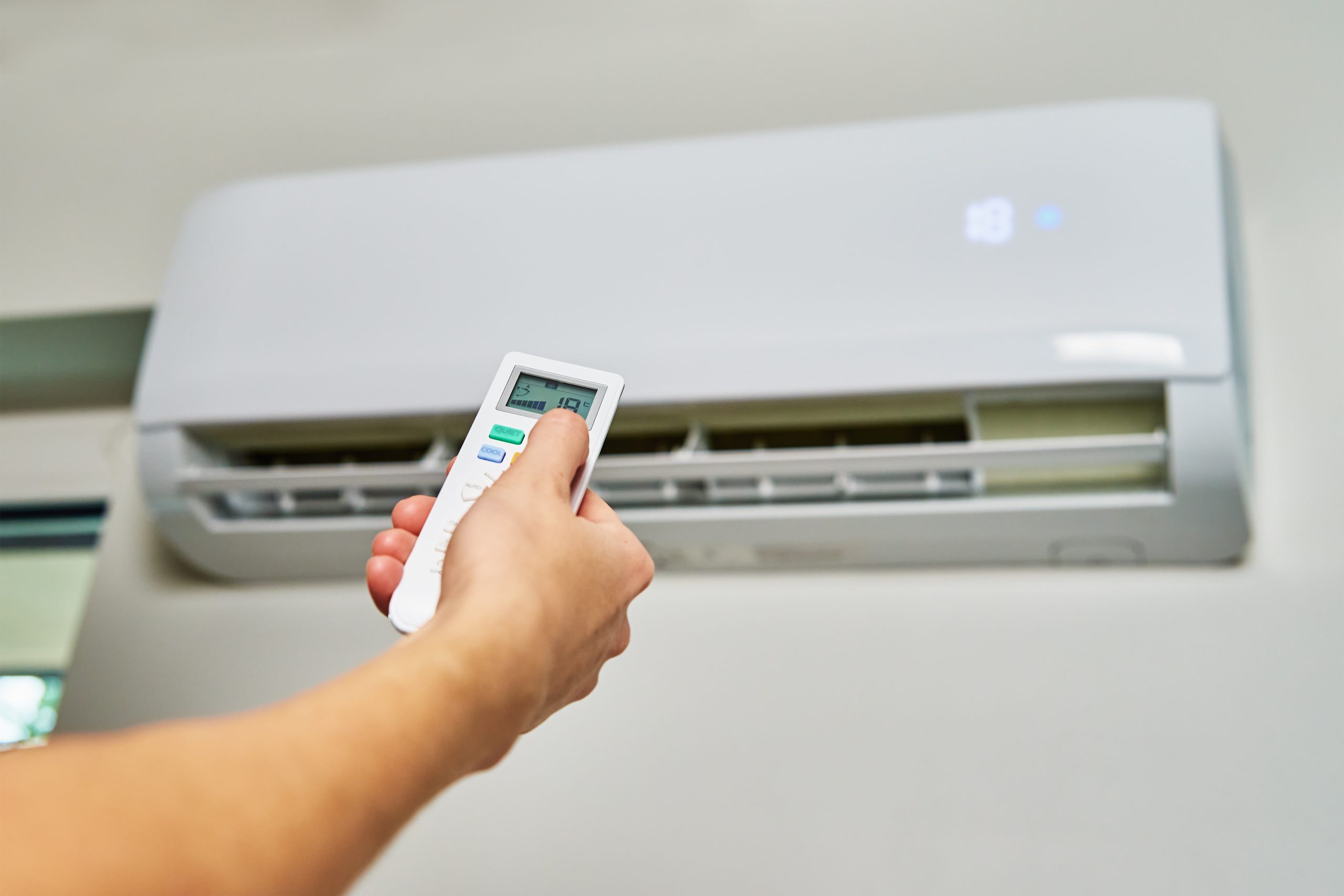
For most Australian homes in summer, the recommended thermostat setting is between 24 and 26 degrees Celsius. This range provides genuine comfort on hot days while keeping energy consumption manageable.
Energy regulators and government guidelines consistently point to 24 to 26 degrees as the optimal balance point. Every degree below 24 increases energy consumption by approximately 5 to 10 percent. Setting your air conditioner Melton to 20 degrees on a 35-degree day doesn’t just cost twice as much — it also puts significant strain on the system.
For Sleeping Comfortably
Sleep quality is affected by ambient temperature. Most sleep research points to a bedroom temperature between 18 and 20 degrees as the sweet spot for good quality sleep. For air-conditioned bedrooms, a setting of 20 degrees with a timer to adjust after two hours of sleep is a practical approach.
Pre-cooling the bedroom to 20 degrees before sleep, then allowing the system to rise to 23 or 24 degrees through the night, delivers good rest without excessive energy use.
Heating in Winter: The Equivalent Setting
For heating in Melbourne’s colder months, the equivalent advice applies. A thermostat setting between 18 and 20 degrees for general living spaces is comfortable and efficient. Every degree above 20 in heating mode increases energy consumption noticeably.
Wear appropriate clothing and use rugs and throws rather than pushing the thermostat higher. This simple habit makes a real difference to winter bills in Melton and western suburbs homes.
The Impact of Setting Extremes
Too cold (below 22 degrees): Your system works harder, uses significantly more energy, and creates a bigger thermal shock every time you move between inside and outside. This temperature differential can exacerbate respiratory issues for some people.
Too warm (above 28 degrees): On a Melbourne summer day above 35 degrees, an indoor setting of 28 degrees does reduce heat-related discomfort. But it won’t provide the protection from extreme heat that more vulnerable household members need. For days above 40 degrees, a lower setting is a health consideration, not just a comfort one.
Use “Auto” Mode, Not Just “Cool”
Setting your system to “auto” mode rather than “cool” means the fan cycles off when the compressor isn’t running. This is more efficient than running the fan continuously and prevents the system from blowing air that isn’t being actively cooled.
“Fan only” mode does not cool air. It circulates room-temperature air. In Melbourne’s summer heat, this provides minimal relief. Reserve fan-only mode for mild days when the outside temperature is similar to your indoor target temperature.
Consider a Smart Thermostat or Timer
Smart thermostats and programmable schedules allow you to pre-cool before peak heat, adjust temperature automatically overnight, and avoid cooling an empty house. For homeowners in West Melbourne and Melton who are out during the day, a system that brings the house down in temperature 30 to 45 minutes before you arrive home is significantly more efficient than either leaving the system on all day or arriving home to a 38-degree house.
Conclusion
If your system is set to 24 degrees but the room feels significantly warmer, the issue isn’t the setting. It may be an undersized system, poor insulation, excessive solar gain through unshaded windows, or a system that needs servicing. A thermostat setting can only be as effective as the system behind it.
New Image Heating & Cooling can assess whether your system is appropriately sized and operating correctly for your home. Call 0468 125 098 today or submit our online form.
Frequently Asked Questions
What is the most energy-efficient temperature for air conditioning in summer?
24 to 26 degrees provides the best balance between comfort and energy efficiency. Each degree below 24 increases running costs measurably. Use ceiling fans to boost perceived comfort at the higher end of this range.
Is 18 degrees too cold for an air conditioner setting?
For most adults in a living area, yes — 18 degrees is uncomfortably cold and highly inefficient to maintain in summer. For a bedroom at night, 18 to 20 degrees aligns with recommended sleeping temperatures, but it’s worth using a sleep timer to allow the setting to rise after the first couple of hours.
What temperature should I set for elderly family members?
Older adults are more susceptible to heat illness. During Melbourne’s hot weather, a setting of 23 to 24 degrees is a practical starting point. Avoid settings below 22 degrees for extended periods with elderly residents, as the thermal shock when moving outside can be significant.
Does the fan speed setting affect efficiency?
Higher fan speeds distribute cool air more quickly but consume more electricity. For general cooling, medium fan speed provides a good balance. Auto mode adjusts fan speed based on the cooling load, which is the most efficient setting for most households.
Should I set a different temperature for different rooms in a ducted system?
Yes, if your system supports zoning. Set rooms you’re actively using to your target comfort temperature and raise the set temperature in unused rooms or close their zones. This reduces the overall volume of air being cooled and improves system efficiency.