
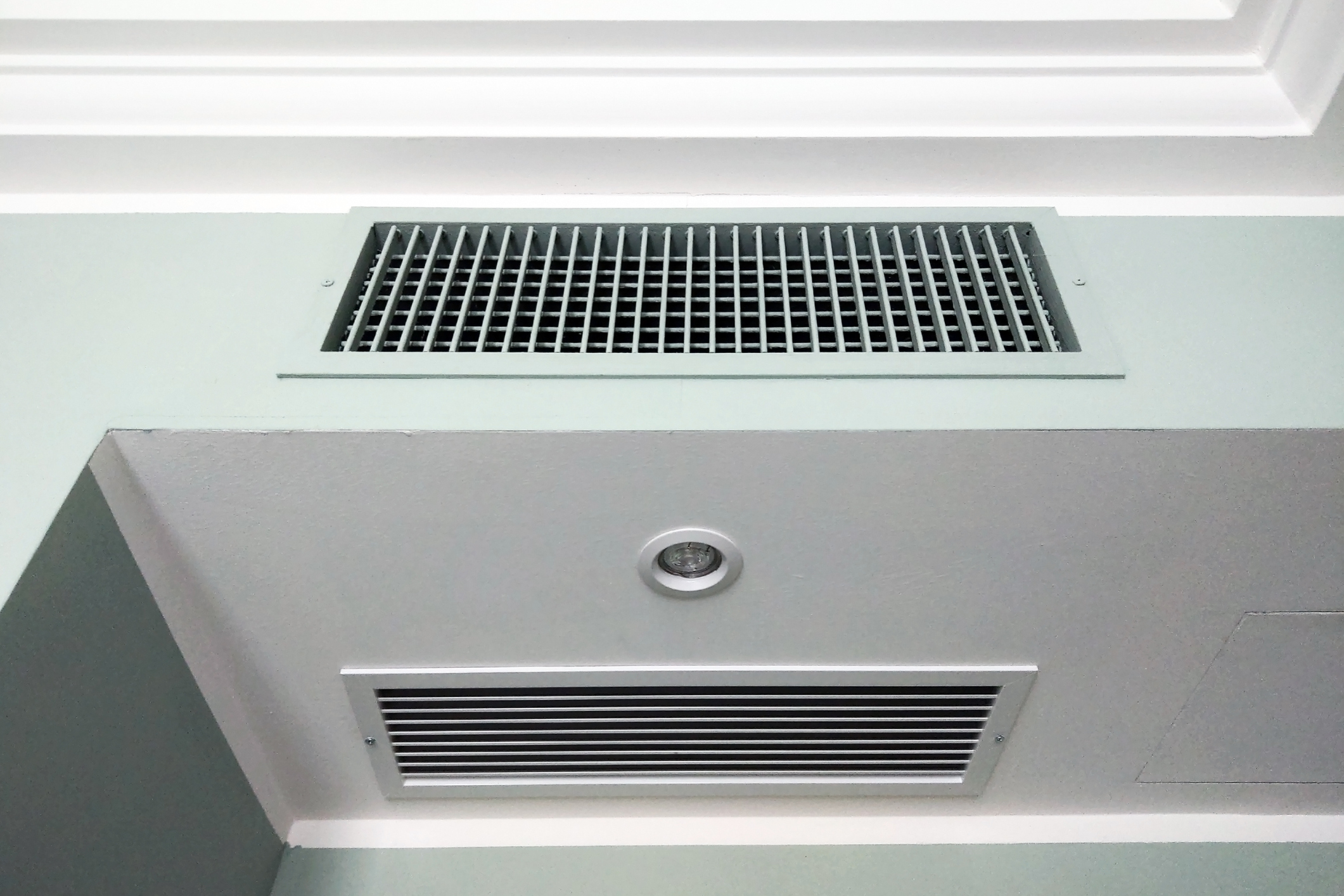
You turn the heater on expecting warm air. The fan kicks in, the system sounds like it’s running, but what comes out of the vents is cold or barely above room temperature. It’s one of the more frustrating heating faults because the system appears to be working. It just isn’t doing the one thing it’s supposed to do. The cause could be something simple you can check yourself in two minutes, or it could point to a fault that needs professional heating system repairs Melton. This guide walks through every common reason a heater blows cold air and what each one actually means.
The System Is in Fan-Only Mode
Before assuming a fault, the first thing to check is the controller settings. This is the most common explanation for cold air from a working system, and it costs nothing to fix.
- Fan-only mode: Many ducted and split systems have a fan-only mode that circulates air around the room without activating the heating element or burner. If your controller has been accidentally set to fan mode, the system runs perfectly but produces no heat at all.
- Mode confirmation: Check that the mode selector is on Heat, not Fan, Auto, or Cool. On some controllers, Auto mode can default to fan circulation if the room is already at or above the set temperature.
- Set temperature check: The system won’t activate heating if the set temperature is below the current room temperature. A thermostat set to 18 degrees in a room that’s already 19 degrees will simply run the fan and wait. Raise the set temperature several degrees above the current reading and give the system a minute to respond.
- Remote vs wall controller: If the system uses both a remote and a fixed wall controller, check they’re not set differently. Some systems default to whichever command was issued last, which can create confusing results if different people have adjusted both.
If the mode and temperature settings look correct and the system still produces cold air, the issue is elsewhere in the system.
Ignition Failure in a Gas System
In gas ducted heating, the blower fan and the burner are separate components. The fan circulates air through the duct system, but it’s the burner that actually heats that air. The two don’t have to work together, which means the fan can run perfectly while the burner fails to ignite. The result is the fan distributing cold or room-temperature air throughout the home.
- Faulty ignitor: The ignitor creates the spark that lights the burner. When it degrades or fails, the system attempts ignition repeatedly but the burner never fires. You may hear a clicking or sparking sound followed by silence as the system gives up.
- Dirty or blocked burner: A burner clogged with dust, debris, or carbon deposits can prevent consistent ignition even when the ignitor is working. This is more common in systems that haven’t been serviced recently.
- Safety lockout: Most gas systems attempt ignition two or three times before entering a safety lockout. Once locked out, the system will run the fan but won’t attempt to light the burner again until it’s manually reset. The controller usually displays an error code when this happens.
- Gas supply issue: If the gas supply to the heater is interrupted, there’s nothing to ignite. Check whether other gas appliances in the home are working normally. If the cooktop and hot water are also out, the issue is upstream from the heater.
- What to do: If you see an error code, note it down before calling a technician. It significantly narrows the diagnosis. Don’t attempt to manually re-ignite a gas ducted system.
Pilot Light Has Gone Out
Older gas heating systems, particularly ducted units installed before the mid-2000s, use a standing pilot light rather than an electronic ignition system. A small flame burns continuously and ignites the main burner when heat is called for. If that pilot flame goes out, the system cannot heat at all.
- Why pilot lights go out: A strong draught near the unit, a brief gas supply interruption, a failing thermocouple, or simply age-related deterioration in the pilot assembly can all cause the flame to extinguish.
- Relighting: Most older systems have a relighting procedure printed on the unit’s label. This typically involves holding down the pilot button, bringing a lighter to the pilot orifice, and holding the button for 30 seconds after the flame catches to allow the thermocouple to heat up. Follow the label exactly.
- Thermocouple failure: The thermocouple is a safety device that sits next to the pilot flame. It detects whether the pilot is burning by generating a small electrical current. If the thermocouple fails, it can’t send the signal that holds the gas valve open, so the pilot goes out immediately when you release the button. A failing thermocouple needs professional replacement.
- When to stop trying: If the pilot relights but keeps going out within a short time, stop relighting it and call a technician. A pilot that won’t stay lit is not a minor nuisance, it’s a sign of a gas system component that needs attention.
- Upgrading older systems: If a unit has a standing pilot and is approaching 15 to 20 years of age, it’s worth discussing with a technician whether replacement with a modern electronic ignition unit makes more sense than ongoing repairs.
Heat Exchanger Overheating and Safety Shutdown
Gas heating systems have a high-limit safety switch designed to protect the heat exchanger from overheating. This is one of the most critical safety features in a gas heater. When it trips, the burner shuts off immediately, but the blower fan continues to run. The fan’s job at this point is to cool the heat exchanger back down, which is why you get cold air from the vents while the system is technically still running.
- Most common cause, a blocked filter: Restricted airflow is the leading reason heat exchangers overheat. When the return air filter is clogged with dust, the system can’t draw in enough air to cool the heat exchanger, so temperatures climb until the limit switch trips. Check and clean or replace the filter immediately if you suspect this is the issue.
- Blocked or closed vents: Furniture placed over floor vents, or vents that have been manually closed in unused rooms, restricts airflow just like a blocked filter. Open all vents throughout the home, even in rooms that aren’t in regular use.
- Return air grille obstruction: The return air grille needs clear space around it to draw air effectively. Check that it isn’t blocked by furniture, curtains, or stored items.
- Resetting after the filter is cleared: Once airflow is restored, the limit switch may need to be manually reset. Some systems reset automatically after cooling down; others require a technician to reset them. If the system doesn’t return to normal after the filter is cleaned and the unit has cooled, a technician needs to check the limit switch itself.
- Repeated tripping: A system that keeps triggering the limit switch even with a clean filter has a deeper problem. A developing crack in the heat exchanger, incorrect system sizing, or a blocked flue are all possibilities. This needs professional diagnosis. Do not keep running a system that repeatedly overheats.
Reverse Cycle System Set to Cool
Reverse cycle split systems and reverse cycle ducted systems can provide both heating and cooling Bacchus Marsh. If the mode has been switched to cooling, the system will efficiently produce cold air regardless of the temperature setting. This is more common than it sounds, particularly in households with multiple occupants adjusting the controller.
- Mode check: Confirm the mode is set to Heat, shown as a sun or flame icon on most controllers. Cool mode is typically a snowflake. Auto mode behaves differently across brands and can default to cooling in some situations.
- Auto mode behaviour: On some reverse cycle systems, Auto mode selects heating or cooling based on the difference between the set temperature and the room temperature. If the logic is reversed or the room sensor gives an inaccurate reading, the system can choose cooling when you want heating. Setting the mode manually to Heat eliminates this ambiguity.
- Defrost cycle cold air: This is specific to reverse cycle systems in cold weather. The outdoor unit accumulates frost on the coil and needs to periodically defrost. During a defrost cycle, the system temporarily reverses its operation and the indoor unit blows cool air for a few minutes. This is normal and not a fault. The system returns to heating automatically once defrosting is complete.
- Refrigerant issues: If a reverse cycle system consistently underperforms in heat mode despite being correctly set, a refrigerant leak or a faulty reversing valve may be responsible. These require a refrigeration technician to diagnose and repair.
Gas Supply Issues
A gas heater cannot produce heat without gas, and supply interruptions are more common than people assume. Before calling a technician, spend two minutes confirming the gas supply is on.
- Check other gas appliances: Turn on the gas cooktop or run hot water. If those appliances are also without gas, the issue is with the supply, not the heater. Contact your gas supplier.
- Meter and isolation valve: Check that the gas meter is on and that the isolation valve on the gas line to the heater hasn’t been accidentally closed. This sometimes happens after maintenance work on nearby pipes or fittings.
- Gas pressure: Low gas pressure can prevent the burner from firing even when gas is technically present. This is less common but can occur if there’s a partial restriction in the supply line or a regulator fault. A gas technician can check pressure at the unit.
- When other appliances work but the heater doesn’t: If the cooktop and hot water are fine but the heater still won’t ignite, the issue is internal to the heating system. The gas valve, pressure regulator at the unit, or the burner control board are the likely culprits.
Ductwork Issues
In some cases, the heating unit itself is functioning correctly and producing warm air, but that heat is being lost before it reaches the rooms. Significant duct leaks in the ceiling cavity allow warm air to escape into the roof space rather than flowing through the vents. The system appears to be blowing cold air because the air has lost most of its heat by the time it reaches the register.
- Signs of duct leakage: Warm air near the unit but cold or weak air at vents furthest from the heater is a common pattern. If some rooms heat well and others barely warm at all, duct condition is worth investigating.
- Older flexible ductwork: Flexible duct has a lifespan. In homes where the duct system is 20 or more years old, joints can fail, sections can collapse, or the duct material itself can degrade. In areas like Melton and Bacchus Marsh, where homes from the 1980s and 1990s are common, deteriorated ductwork is a real issue.
- Duct inspection: A technician can inspect the duct system from roof access points and identify where significant leaks are occurring. In some cases, re-joining failed connections is a straightforward repair. In others, sections of duct need replacement.
- Verifying the heater itself: If a duct issue is suspected, check the temperature of air coming directly from the unit before it enters the duct system. If that air is warm, the heater is working and the problem is in the distribution system, not the unit.
Conclusion
A heater that runs but produces cold air is not a minor inconvenience to put up with until the weekend. The fan is working and the system sounds normal, so it’s easy to assume it will sort itself out. It won’t. Whether it’s a blocked filter causing the heat exchanger to overheat, an ignition system that’s failed, or a duct system quietly losing heat into the roof, none of these faults resolve on their own. They either stay the same or get progressively worse. Running the system in this state also puts unnecessary wear on the blower motor without any benefit.
Start with the quick checks: mode setting, set temperature, filter, and vents. If those don’t resolve it, the system needs a technician. New Image Heating and Cooling Melton diagnoses and repairs gas ducted and reverse-cycle heating systems across Melbourne’s western suburbs. Call 0468 125 098 for a prompt assessment, or book through our online form to get a time that suits you.
Frequently Asked Questions
Why is my gas heater running but not producing heat?
The most common causes are ignition failure where the burner isn’t lighting, a pilot light that has gone out on older systems, or a high-limit safety switch that has tripped due to the heat exchanger overheating. Overheating is usually caused by a blocked return air filter. Check the filter first. If that’s clear and the system still won’t heat, it needs a technician. All ignition and gas-related faults require professional diagnosis and repair.
What does it mean when the limit switch trips on my heater?
The high-limit safety switch shuts off the burner if the heat exchanger temperature gets too high, while allowing the blower fan to keep running to cool the system down. The result is the fan blowing cold or room-temperature air. The most common trigger is restricted airflow from a clogged return air filter or blocked vents. Clean the filter, open all vents, and give the system time to cool. If it doesn’t return to normal operation, or if the limit switch trips repeatedly, call a technician. A system that keeps overheating after the filter is clean has a more serious underlying fault.
My heater makes a clicking sound but doesn’t start heating. What does that mean?
A repeated clicking sound followed by the system settling back to fan-only operation is the classic sign of an ignition system attempting and failing to light the burner. The ignitor is firing but the gas isn’t catching. This could be a faulty ignitor, a dirty burner, a gas supply issue, or a failed gas valve. After several failed attempts, the system enters a safety lockout and stops trying. The controller usually shows an error code at this point. Note the code and call a technician rather than repeatedly cycling power trying to reset it.



