
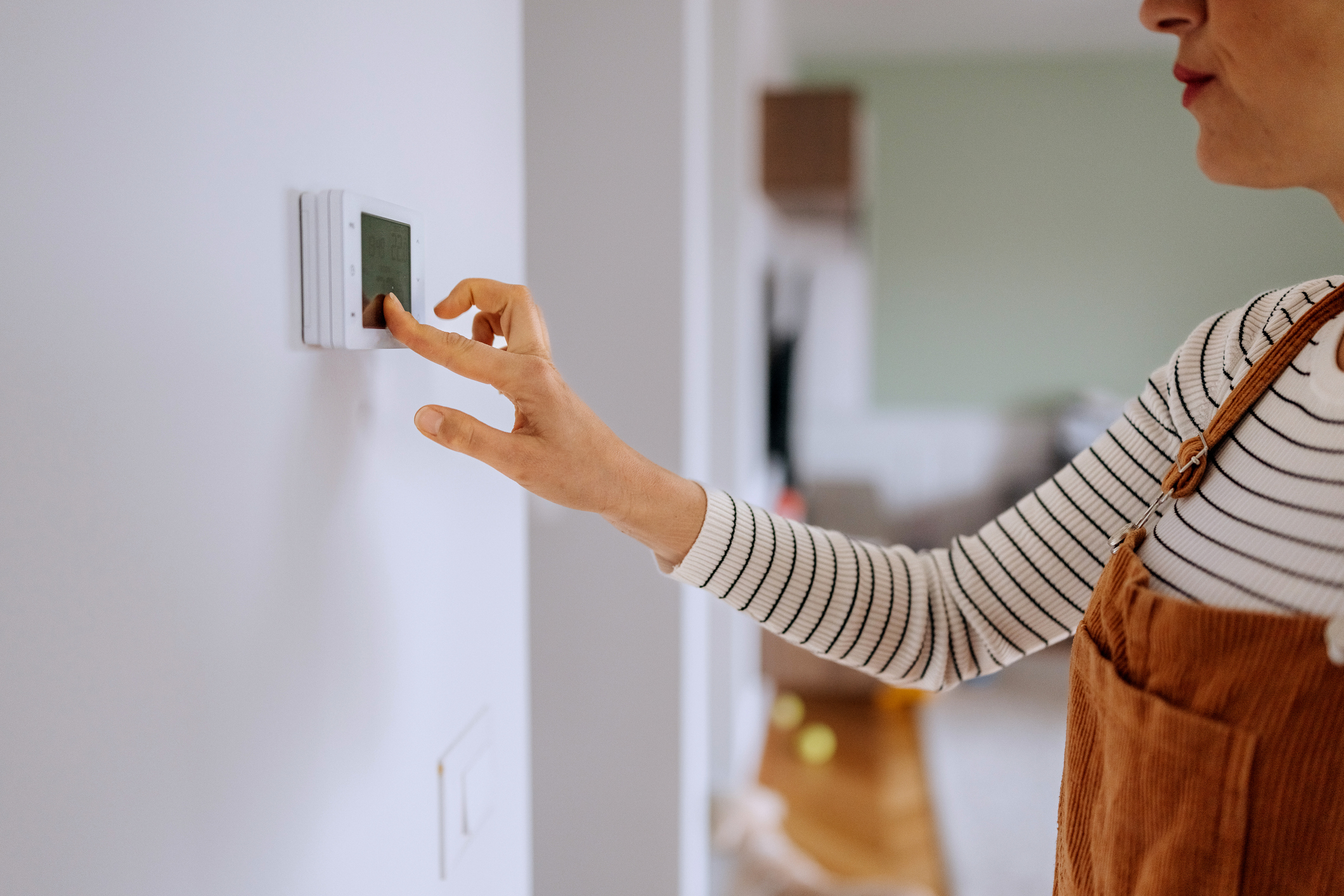
The question of what temperature to set your heating System in Melton and Bacchus Marsh to comes up every winter, and the answer depends on more than personal comfort. In these two areas, where winter nights regularly drop below 8 degrees and frosts are common through July and August, the temperature you set your thermostat to affects your energy bills, your health, your system’s workload, and how well your home retains warmth through the night. Getting it right means staying comfortable without paying more than you need to.
Here’s a practical, evidence-based guide for households across West Melbourne, covering everything from recommended temperature ranges to the science of why your thermostat setting and your actual comfort level don’t always match.
The Recommended Range for General Living
For general daytime living, most health and energy authorities agree on a comfortable and efficient range of 18 to 21 degrees. This isn’t a random figure. It’s backed by both thermal comfort research and public health guidance, including recommendations from the World Health Organisation.
- 18 degrees is the WHO-recommended minimum safe indoor temperature for healthy adults during winter.
- 19 to 21 degrees is the comfort sweet spot for most households during active hours, when people are moving around, cooking, or seated at a desk.
- 20 degrees minimum is the recommendation for homes with elderly residents, infants, or people managing chronic health conditions.
This range is genuinely comfortable when you’re dressed appropriately for winter indoors, meaning long sleeves, warm socks, and a light layer if needed. The impulse to push the thermostat to 24 or 25 degrees to replicate summer conditions inside is the biggest single driver of inflated winter heating bills. Resisting that impulse and adding a jumper instead is one of the most effective ways to cut costs without sacrificing comfort.
Sleeping Temperature: Getting Rest Right
Most people are surprised to learn that sleeping in a cooler room produces better sleep quality than sleeping in a warm one. Sleep research consistently shows that the body needs to reduce its core temperature to enter and maintain deep sleep. A room that’s too warm actively works against this process.
- 16 to 18 degrees is the recommended bedroom temperature range for healthy adults during sleep.
- 18 to 20 degrees is more appropriate for young children and elderly residents, who are less able to self-regulate body temperature overnight.
- Scheduled setback is the most energy-efficient approach: programme the heating to reduce temperature to sleeping range at bedtime, then warm the home again 30 minutes before wake time.
In practice, this means either setting a scheduled setback on the heating system to reduce the temperature from the living area setting to the sleeping temperature at bedtime, or turning the system off in the main living areas and relying on bedroom insulation and bedding to hold warmth. In Bacchus Marsh, where temperatures can drop sharply overnight, a lightweight scheduled setback is usually more comfortable than waking to a completely cold house.
Temperature Needs for Vulnerable Household Members
Not everyone in a household has the same thermal tolerance, and the consequences of cold exposure vary significantly depending on age and health status. Households with elderly residents, young infants, or people managing respiratory or cardiac conditions need to think about heating differently.
- Elderly residents: Research links cold indoor temperatures below 16 degrees to increased risk of cardiovascular stress and respiratory infections in older adults. A consistent minimum of 20 degrees in occupied rooms is a health priority.
- Infants under 12 months: Infants cannot regulate their body temperature effectively. Sleeping rooms should be maintained at 18 to 20 degrees overnight. Overheating is also a risk factor for infants, so avoid pushing room temperature above 20 degrees in a nursery.
- People with respiratory conditions: Cold, dry air exacerbates asthma, COPD, and other respiratory conditions. Maintaining warmth above 18 degrees reduces the risk of winter flare-ups.
- People with cardiac conditions: Cold-induced vasoconstriction places additional stress on the cardiovascular system. Indoor temperatures below 16 degrees are associated with increased cardiac risk in winter months.
For these households, maintaining a minimum of 20 degrees throughout occupied areas is a health priority, not just a comfort preference. Energy savings should never come at the expense of the people most vulnerable to cold-related health complications.
The Energy Cost of Each Degree
The relationship between thermostat setting and energy cost is more direct than many homeowners realise. Every degree you add to your thermostat setting increases your heating energy consumption, and every degree you reduce it saves money.
- Each additional degree adds approximately 5 to 10 percent to your heating energy costs, depending on your home’s insulation level and the efficiency of your heating system.
- A poorly insulated home in Melton or Bacchus Marsh on a cold July night will see costs at the higher end of that range per degree, because heat is escaping faster and the system has to work harder.
- Over a full winter season, running your heating two to three degrees higher than necessary can add hundreds of dollars to your energy bills without a meaningful improvement in comfort.
- The reverse is equally true: dropping the thermostat by two degrees and adding a layer of clothing saves real money with minimal sacrifice for most healthy adults.
The most common mistake in Melton and Bacchus Marsh homes is setting the thermostat at 24 or 25 degrees in an attempt to “heat the house up faster.” A thermostat doesn’t work that way. It reaches the set temperature and maintains it. Setting it higher doesn’t speed up the heating process, it just means the system runs for longer once it gets there, costing you more.
Setback Temperatures: What to Do When Nobody’s Home
A setback temperature is the lower temperature the system maintains when the home is unoccupied or overnight. There are two main approaches, and which one saves you more money depends on your home’s insulation.
- Turn off completely: For well-insulated homes, turning the heating off when the house is empty and reheating on return is typically more efficient. A well-insulated home holds heat for several hours after the system turns off, so you’re not starting from scratch each time.
- Maintain a low setback of 12 to 15 degrees: For older homes with poor insulation, common in parts of Bacchus Marsh’s established streets, maintaining a low setback temperature can be more cost-effective than letting the house drop to 6 or 7 degrees and having to reheat it from scratch.
- Programmable timers: The most effective approach for most households is a programmable thermostat that reduces heating to setback temperature during sleeping and working hours, and returns to comfort temperature 30 minutes before the home is occupied.
- Avoid “heating the empty house”: Leaving the heating running at 20 degrees all day while everyone is at work or school is a common source of waste. Even a basic programmable controller pays for itself within a season.
If you’re unsure which approach suits your home, a building envelope assessment or a conversation with a heating specialist can give you a clear picture based on your specific construction and insulation levels.
What the Thermostat Actually Measures (and Why It Matters)
Understanding what your thermostat is and isn’t measuring helps explain why your home can still feel cold even when the reading says it’s reached your target temperature.
- The thermostat measures air temperature at its own location only. It has no way of knowing the temperature in other rooms of the home.
- Placement matters enormously. A thermostat in a north-facing hallway that warms up quickly in winter sun, or in a room directly adjacent to the heating unit, will reach the set temperature well before the rest of the home does.
- The “satisfied” thermostat problem: When the thermostat reaches its set point and the system turns off, the main living areas and bedrooms furthest from the thermostat may still be several degrees colder.
- The solution is either to reposition the thermostat to a more representative location, or to use a multi-zone system that measures temperature independently in key areas of the home.
Thermostat placement is worth reviewing if you consistently find that the house feels cold despite the reading being at or above your target setting. This is a common issue in larger homes and homes with multiple living zones, both of which are found throughout Melton’s newer estates and Bacchus Marsh’s older character homes.
Radiant Heat vs Air Temperature: The Comfort Gap
This is one of the least understood factors in winter comfort, and it explains why the thermostat setting alone doesn’t tell the whole story of how warm a room feels.
- Mean radiant temperature is the average temperature of all the surfaces around you: walls, floor, ceiling, windows. Your body radiates heat to these surfaces, and if they’re cold, you lose heat even when the air temperature is comfortable.
- Cold walls and floors can make a room feel several degrees colder than the air temperature measurement suggests. This is why a room at 20 degrees with single-glazed windows and no ceiling insulation feels cold compared to a room at 18 degrees in a well-insulated home.
- Rugs on cold floors provide insulation underfoot and reduce the amount of heat you lose to the floor surface. A basic rug on a tile or bare concrete floor in a home makes a noticeable comfort difference in winter.
- Thermal curtains on windows reduce the cold radiating from glass surfaces, which can drop to near-outdoor temperatures on cold nights. Closing thick curtains at dusk retains warmth more effectively than almost any other simple measure.
- Ceiling insulation is the single most impactful upgrade in most older Australian homes. Warm air rises and escapes through an uninsulated ceiling, taking the heat you’ve paid for with it.
Addressing the thermal performance of surfaces allows you to feel comfortable at a lower air temperature, which means lower thermostat settings and lower bills without any reduction in perceived warmth. This is the principle behind the “dress the room, not just yourself” approach to winter efficiency.
Heating System Efficiency and Its Impact on the Right Temperature
The type of heating system in your home affects how you should approach temperature setting. Different systems heat in fundamentally different ways, and each has its own quirks when it comes to thermostat management.
- Ducted gas heating: Heats air quickly and responds well to thermostat setbacks. Ideal for zone control, where different areas of the home are maintained at different temperatures. Pre-heating 30 minutes before occupancy is effective for ducted systems.
- Reverse cycle split systems: Highly efficient heat pump technology. More efficient at maintaining a steady temperature than cycling between cold and warm. Running at a consistent 19 to 20 degrees is often more cost-effective than allowing rooms to drop and reheating them.
- Evaporative heating (ducted gas): Works best when allowed to run continuously during occupied periods rather than being switched on and off repeatedly. The warm air distribution takes time to equalise across a full home.
- Space heaters: Efficient for heating single rooms but inefficient for whole-home heating. If you’re using a portable space heater to supplement, concentrate heating in the rooms you’re actually using and close doors to unoccupied areas.
If your system is working harder than it should to reach your set temperature, or if certain rooms never seem to warm up properly despite the thermostat being at 21 degrees, it may be worth having the system inspected and assessed by a qualified heating technician.
Quick Reference: Recommended Temperatures by Situation
Here’s a practical summary of the temperature ranges covered in this guide:
- Daytime living areas (healthy adults): 18 to 21 degrees
- Daytime living areas (elderly, infants, health conditions): 20 to 21 degrees minimum
- Sleeping rooms (adults): 16 to 18 degrees
- Sleeping rooms (young children and elderly): 18 to 20 degrees
- Setback when home is unoccupied (well-insulated homes): Off or as low as 12 degrees
- Setback when home is unoccupied (poorly insulated homes): 12 to 15 degrees
- Thermostat setting to avoid: Above 22 degrees for extended periods in general living areas
Conclusion
Understanding the right temperature settings is the first step. The second step is making sure your heating system is actually capable of maintaining those temperatures efficiently. An old or poorly maintained heater working overtime to reach 20 degrees will always cost more than a well-serviced, correctly sized system doing the same job with ease.
New Image Heating and Cooling Melton services homes, from annual heater servicing and efficiency tune-ups to new system installations and thermostat upgrades. If your home never quite warms up the way it should, or your bills seem higher than they should be for the temperature you’re running, we can assess your system and give you straight answers about what needs attention.
Call us on 0468 125 098 to book a service or speak with our team about heating options for your home. We’re local, we’re experienced, and we’ll give you honest advice rather than a sales pitch.
Frequently Asked Questions
Is 18 degrees warm enough in winter for a Melbourne home?
For healthy adults dressed appropriately for winter indoors, yes. The World Health Organisation sets 18 degrees as the minimum safe indoor temperature for healthy adults. For elderly residents or young children, 20 degrees is a safer minimum. Whether 18 degrees feels comfortable also depends on the thermal performance of the room, including wall and floor insulation levels and window quality.
Should I heat my home overnight or turn the heater off at bedtime?
Most households are better off turning the heating off at bedtime or scheduling a setback to 15 to 16 degrees for sleeping areas. Sleeping in a cooler room (16 to 18 degrees) typically produces better sleep quality than a heated room at 20 degrees or above. Use a programmable timer to warm the home again before you wake up so you’re not stepping out of bed into a cold house on a Bacchus Marsh winter morning.
Why does my house feel cold even when the thermostat says it’s 20 degrees?
Perceived warmth depends on both air temperature and the temperature of surrounding surfaces. Cold walls, cold floors, and large windows all reduce the mean radiant temperature of the room, making it feel colder than the air temperature alone. Rugs, thermal curtains, and ceiling insulation address this without increasing the thermostat setting. Also check whether your thermostat is located in a representative part of the home or in a spot that warms up faster than the rooms you actually use.
Is it more efficient to keep the heating on all day at a low temperature or to heat up when needed?
For most Melton and Bacchus Marsh homes, heating only when occupied is more efficient. The energy used to reheat a home from 10 degrees to 20 degrees is typically less than the energy used to maintain 15 degrees all day in an unoccupied house. Well-insulated homes can hold temperature for longer after the system turns off, making scheduled heating even more cost-effective. Poorly insulated homes may benefit from a low setback rather than complete shutdown.



