Aintree sits in Melbourne’s western growth corridor, and if you’ve lived here through a summer, you know what that means. Temperatures push into the high 30s and low 40s, exposed streets with limited shade, and newer homes that heat up fast when the morning sun hits north and west-facing walls. When your air conditioner in West Melbourne is running but your home isn’t cooling down, it’s not just uncomfortable. On the worst days in Aintree, it can be genuinely dangerous for elderly residents, young children, and anyone with a health condition.
This guide explains the most common reasons air conditioners struggle in Aintree homes specifically, what you can check yourself, and when it’s time to call a professional.
Why Aintree Homes Are Harder to Cool Than You’d Think
Aintree is a relatively new estate, and newer homes come with their own set of cooling challenges. Large open-plan living areas, high ceilings, large west-facing windows, and brick veneer construction that absorbs heat through the day all place higher cooling demands on the system than older, smaller homes with more modest floor plans.
Many Aintree homes were built with air conditioning systems sized for the original floor plan, often before extensions, screen rooms, or opened-up kitchens were added. A system that was adequate at installation may now be undersized for what the home has become. Add in the fact that Aintree’s elevated position relative to some surrounding suburbs means it can catch warm northerly winds on extreme heat days, and you have a suburb where air conditioning systems routinely work harder than average.
Check the Basics First
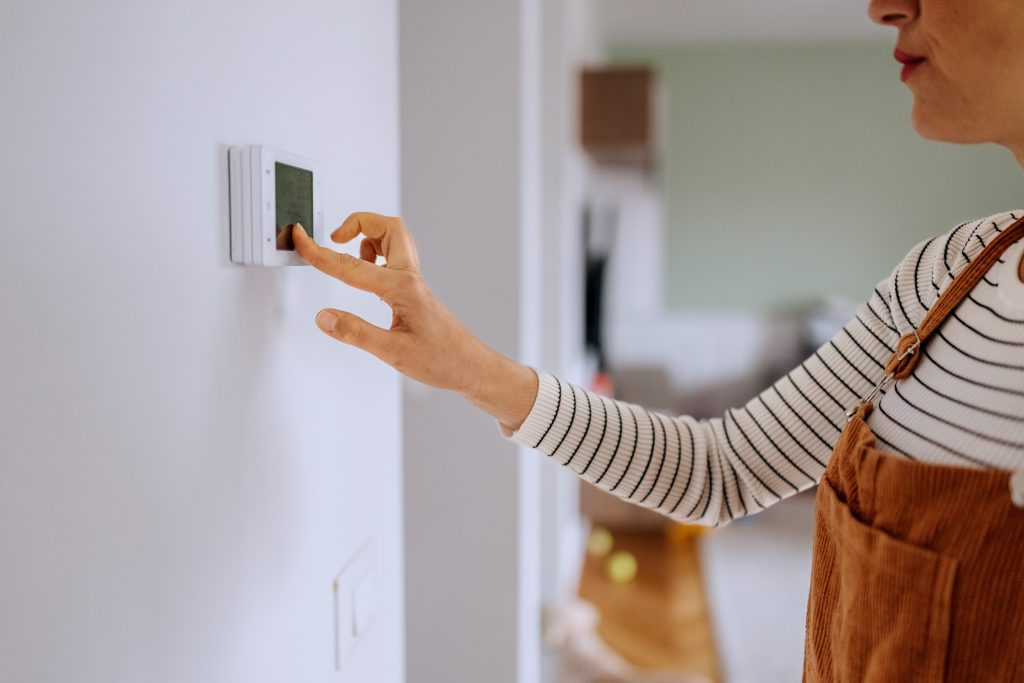
Before assuming a fault, run through the basics. Check that your thermostat or controller is set to cool mode, not fan only. Confirm the set temperature is actually below the current room temperature. A system set to 24 degrees in a room that’s already 23 degrees won’t activate the cooling cycle.
Check that all doors and windows in the area you’re trying to cool are closed. In Aintree, where homes often have large sliding doors opening to outdoor entertaining areas, even a partially open door can overwhelm a system that would otherwise cope.
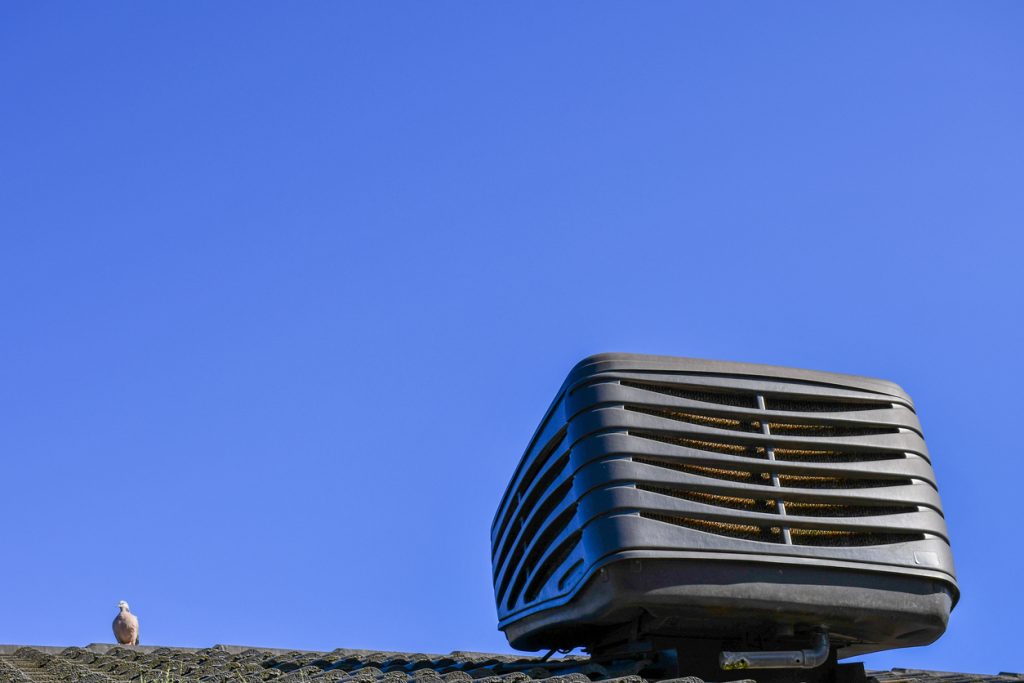
Also walk around to the outdoor condenser unit. Make sure there’s at least a metre of clear space around it, that no vegetation has grown into it, and that it’s not sitting in a position that bakes in full afternoon western sun with no shade. If the unit is in a paved, enclosed area that radiates heat, that significantly reduces its ability to expel heat from your home.
The Most Common Reasons Your Aintree Air Conditioner Isn’t Cooling
1. A Dirty or Blocked Filter
This is the most common and most easily fixed cause. Aintree’s ongoing residential construction means airborne dust and debris levels are higher than in long-established suburbs. Filters clog faster than average. A blocked filter restricts the airflow across the evaporator coil, the system runs constantly but can’t bring the temperature down, and in severe cases the coil freezes over.
Remove the indoor unit’s filter panel, take out the filter, and hold it up to the light. If you can’t see through it, it’s overdue for a clean. Rinse it under running water, let it dry completely, and reinstall. This takes ten minutes and costs nothing. Do it every six to eight weeks in Aintree during summer.
2. Low Refrigerant from a Leak
Refrigerant is the substance that absorbs heat from inside your home and releases it outside. When a refrigerant leak develops, levels drop and the system loses its ability to cool effectively. Signs include air that’s only slightly cool rather than genuinely cold, ice forming on the indoor unit or refrigerant lines, and a hissing or bubbling sound.
Refrigerant work is not a DIY job. It requires a licensed technician and an investigation into the source of the leak. Topping up without fixing the leak is a short-term measure that will leave you in the same position within weeks.
3. The System Is Undersized for Your Current Home
As mentioned above, many Aintree homes have grown since the original system was installed. An open-plan renovation, a new room, or a screen room added to the back of the house can increase the cooling load significantly. An undersized system will run all day and still not reach the set temperature on a hot afternoon.
A licensed technician can assess whether your system’s capacity is appropriate for the current floor plan and insulation level. If it isn’t, no amount of servicing will fix the underlying mismatch.
4. Duct Leaks in Ducted Systems
If your Aintree home has ducted air conditioning, leaks in the duct runs can allow cool air to escape into ceiling cavities before it reaches your rooms. You’ll notice the system seems to be working hard but the rooms never feel cool, particularly the rooms furthest from the indoor unit. Older duct materials degrade over time, and ducts can be partially disconnected during roof work, solar panel installation, or renovation.
A duct inspection as part of an annual service will identify significant leaks. Sealing them can dramatically improve cooling performance without any change to the system itself.
5. Blocked or Dirty Condenser Coils
The outdoor condenser unit releases heat from your home to the outside. When the condenser coils are coated in dust, grass clippings, or garden debris, the unit can’t expel heat efficiently. The system works harder for less result, energy use increases, and in severe cases the compressor overheats and the system shuts down.
Gently rinsing the condenser fins with a garden hose (not a pressure washer, which can damage the fins) removes light surface contamination. A full condenser clean as part of a professional service goes deeper.
6. A Failing Compressor
The compressor is the core of your air conditioning system. When it begins to fail, cooling drops noticeably. A compressor that’s struggling may produce air that’s only marginally cooler than room temperature, make unusual noises at startup, or cause the system to trip the safety switch. Compressor failure on a system over ten to twelve years old is usually a trigger to consider replacement rather than repair.
7. Short Cycling
If your system turns on for a few minutes and then shuts off repeatedly without reaching the set temperature, it’s short cycling. This stresses the compressor and prevents the house from ever properly cooling down. Common causes include a blocked filter, an oversized system, low refrigerant, or a thermostat fault. Short cycling needs professional diagnosis.
What You Can Do Right Now on a Hot Aintree Day
While you wait for a technician or before the problem gets to that point, these steps reduce the load on your system:
- Pre-cool before peak heat. Start the system from around noon before the afternoon peak. A home cooled to 24 degrees at noon is far easier to maintain through the 3pm to 5pm heat peak than one that hasn’t been cooled at all.
- Close all west-facing blinds and curtains. In Aintree’s newer homes with large west-facing windows, direct afternoon sun is a major heat load. Block it before it enters.
- Use ceiling fans alongside the air conditioner. Running fans anticlockwise (when viewed from below) creates a wind chill effect that allows you to set the thermostat two to three degrees higher while maintaining the same perceived comfort level.
- Close off unused rooms. Don’t try to cool the whole house with a system that’s struggling. Focus the cooling on the rooms you’re using.
When to Call a Professional
If you’ve cleaned the filter, cleared the outdoor unit, and closed the house up and the system still isn’t cooling effectively, it’s time to call a technician. Issues involving refrigerant, compressor faults, duct integrity, and electrical components are not safe for homeowners to attempt.
At New Image Heating and Cooling in Aintree, we diagnose the actual cause rather than guessing, and we give you an honest recommendation on whether repair or replacement makes more financial sense. Call 0468 125 098 for a fast response.
Frequently Asked Questions
Why does my air conditioner work fine in spring but struggle in summer?
The system may be adequately sized for mild days but undersized for Aintree’s peak summer temperatures. On days above 38 degrees, the gap between outside temperature and your target indoor temperature is larger, which means the system has to work much harder to maintain comfort. A system that’s marginal in capacity will cope on mild days and fail on extreme ones.
How often should I clean my air conditioner filter if I live in Aintree?
Every six to eight weeks during the summer cooling season. Aintree’s ongoing residential development means dust levels are higher than in established suburbs, and filters clog faster than the standard three-month recommendation you’ll find in most owner’s manuals. If you have pets, clean it monthly.
My air conditioner is blowing air but it’s not cold. What’s the most likely cause?
The most common causes are a blocked filter restricting airflow, low refrigerant from a leak, or a frozen evaporator coil. Start by cleaning the filter and allowing the system to run for 20 to 30 minutes. If the air is still not cold, turn the system off and call a technician. Running a system with a frozen coil or refrigerant leak can damage the compressor.
Can I improve cooling performance without replacing the system?
Yes, in many cases. A professional service that cleans coils, checks refrigerant, inspects ducts, and calibrates the thermostat can restore a system that’s been operating well below its designed efficiency. Additional improvements like ceiling fans, external window shading, and improved draught sealing reduce the load on the system and allow it to maintain temperature more effectively.
What temperature should I set my air conditioner to in an Aintree home?
For most households, 24 to 26 degrees provides genuine comfort while keeping energy consumption manageable. Setting the system lower increases running costs significantly and doesn’t necessarily feel much cooler once you’ve been inside for a few minutes. Use ceiling fans alongside the system to maintain comfort at the higher end of this range.