
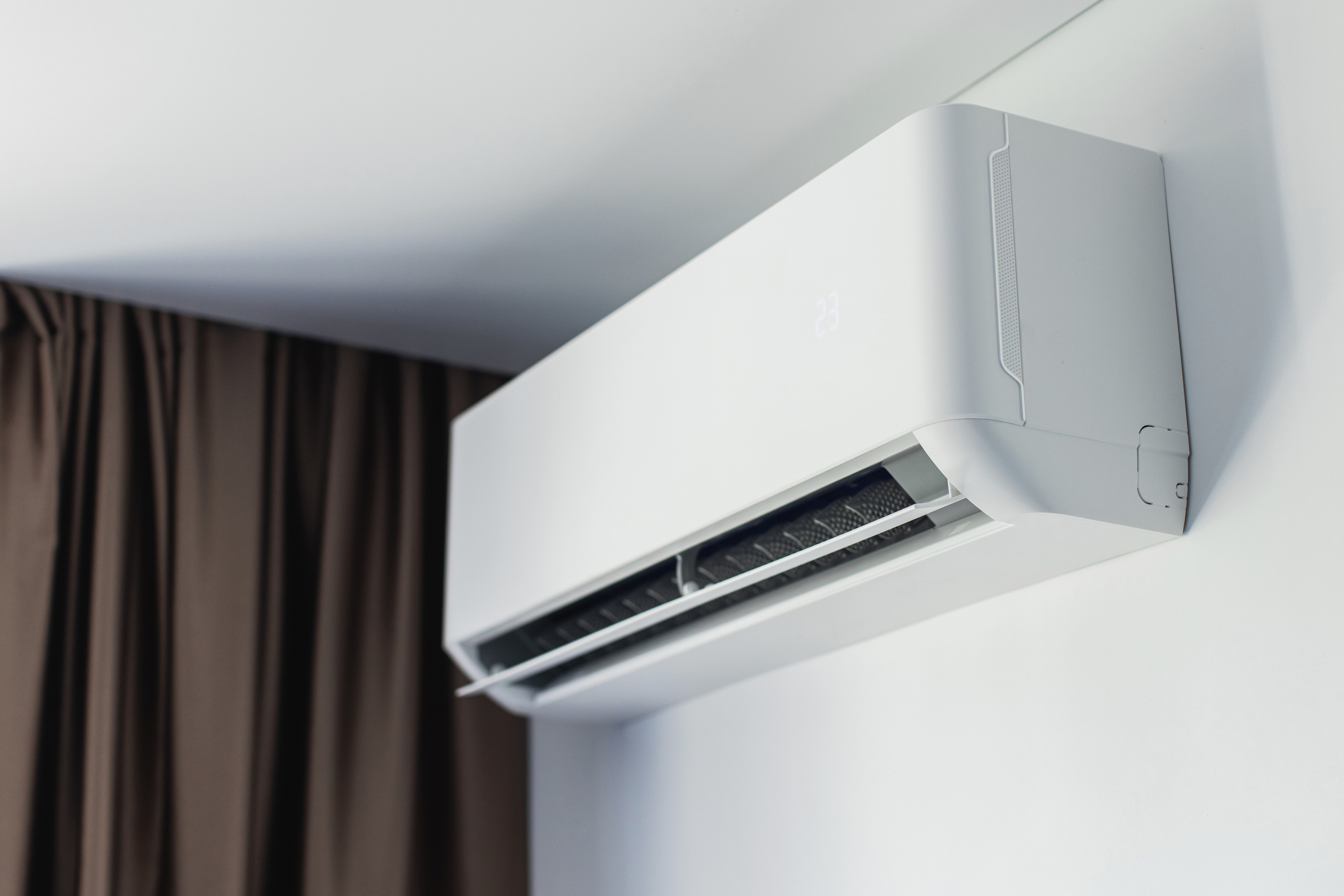
Finding ice on the indoor unit of your split system in Melton is alarming, and rightly so. It means something is wrong with the operating conditions of the system, and continuing to run it in a frozen state can cause serious damage to the compressor, the most expensive component in the unit. Understanding what causes freezing and how to respond correctly can save you from a much larger repair bill down the track.
This article covers every common cause of split system freezing, explains exactly what’s happening inside the unit when ice forms, and tells you what to do about it whether you’re in Melton, Bacchus Marsh, or anywhere across the western suburbs.
How Ice Forms on a Split System
The evaporator coil inside the indoor unit operates at a temperature significantly below room temperature in order to absorb heat from the air passing over it. Under normal conditions, the coil stays above freezing point and any condensation that forms drips neatly into the drain tray and drains away.
When operating conditions are disturbed — whether through restricted airflow, low refrigerant, or a mechanical fault — the coil temperature can drop below zero degrees. When that happens, condensation freezes on the coil surface rather than draining away. The ice builds gradually, eventually covering the coil completely and blocking all airflow through the unit. At that point the system may appear to be running normally from the outside while delivering no cooling at all.
What Are The Main Causes of Split System Freezing?
There are six primary causes of split system freeze-up. Some are simple maintenance issues you can address yourself; others require a licensed technician. Here’s how to identify each one.
1. Restricted Airflow from a Dirty Filter
This is the most common cause by a significant margin, and the good news is it’s entirely preventable. When the return air filter is heavily clogged, airflow across the evaporator coil drops substantially. With less warm room air passing over the coil, the coil temperature falls lower than it’s designed to run — eventually dropping below zero. Condensation on the coil freezes rather than draining away, and the ice builds up layer by layer.
- What you’ll notice: Reduced or no airflow from the indoor unit vents, the system running but not cooling, or visible ice on the refrigerant lines near the indoor unit
- What to do: Turn the system off immediately. Switch to fan-only mode or simply leave it off and let it fully defrost — this can take 30 minutes to several hours. Clean the filter thoroughly, allow it to dry completely, and reinstall before restarting
- Local context: In Melton and Bacchus Marsh, where newer growth estates generate higher-than-average construction dust, filters can clog significantly faster than in established suburbs. Cleaning every four to six weeks during summer is often necessary in these areas
If the system runs normally after you’ve cleaned the filter and the ice has fully melted, the filter was the cause. If it freezes again within a few hours, there’s a deeper fault that needs a technician.
2. Low Refrigerant
Refrigerant is the fluid that moves heat through the system. When refrigerant levels drop due to a leak in the system, the pressure inside the evaporator coil drops with it. Lower pressure translates directly to lower coil temperature. The coil runs abnormally cold, condensation freezes, and ice forms.
- What you’ll notice: The system runs but the air from the vents feels only marginally cooler than room temperature, even after running for an extended period. This reduced cooling performance combined with freezing is the signature of low refrigerant
- What to do: Turn the system off and call a licensed technician. This is not a DIY repair. The technician must locate and seal the leak before recharging the system to the correct level. Simply topping up without fixing the leak leaves the system losing refrigerant again within weeks or months
- Important note: Refrigerant doesn’t get “used up” during normal operation. If your system needs a top-up, there is a leak somewhere in the system that must be found and fixed
3. Dirty Evaporator Coil
Even with a clean filter in place, fine particles accumulate on the evaporator coil surface over months and years of operation. A coil coated in dust and grime has significantly reduced ability to transfer heat efficiently, which causes it to run colder than it’s designed to and eventually freeze over.
- What you’ll notice: Gradual reduction in cooling performance over time, combined with periodic freeze events even when the filter is clean
- What to do: Professional coil cleaning using appropriate coil cleaner and equipment. This is a standard part of an annual split system service and should be carried out once a year for systems in regular use
- Prevention: Annual servicing is the only effective prevention. A clean filter reduces the rate of coil contamination but does not eliminate it entirely — some fine particles pass through all filters over time
4. Blower Fan Fault
The blower fan inside the indoor unit drives airflow across the evaporator coil. If the blower motor is failing, running at reduced speed due to a failing capacitor, or the fan blade has been damaged, airflow drops even when the filter is clean and the coil is unobstructed. The effect on coil temperature is identical to a blocked filter: the coil runs too cold and freezes.
- What you’ll notice: The indoor unit sounds quieter than it normally does, or airflow from the vents feels weak despite a clean filter. The unit may display no error code despite the fault
- What to do: Turn the system off and call a technician. The capacitor is often the cause and is a relatively inexpensive repair. A failed motor is more costly but still significantly cheaper than compressor damage from continued operation on a frozen coil
- Do not ignore this: Running a split system with a blower fault risks compressor damage, which can turn a $200 capacitor repair into a $1,500+ compressor replacement
5. Running in Very Cold Ambient Conditions
Running a split system in cooling mode when outdoor temperatures are very low — generally below 10 degrees Celsius — can cause freezing even in a perfectly functioning system. The outdoor conditions push refrigerant temperatures too low for normal cooling operation to proceed safely.
- What you’ll notice: Freezing occurs specifically on cool evenings or overnight, not during the heat of the day. The system may have been running for a long time without anyone monitoring it
- Modern systems: Most modern split systems have anti-freeze protection that prevents cooling operation below a set ambient temperature threshold. Older or budget models may not have this protection
- What to do: Don’t run the system in cooling mode overnight in Melton and Bacchus Marsh during autumn and spring when overnight temperatures can drop sharply. Use the timer or temperature lock to prevent unintended cooling-mode operation in cold conditions
6. Blocked or Kinked Refrigerant Lines
A restriction in the refrigerant line — from a kink in the copper pipe, accidental physical damage, or an issue from initial installation — can cause a pressure drop at the evaporator coil similar to the effect of low refrigerant. This is less common than the other causes but does occur, particularly in systems where the refrigerant line set runs through tight roof spaces or has been subject to physical stress from other trades working in the ceiling.
- What you’ll notice: Freezing that isn’t resolved by filter cleaning or refrigerant top-up, often with reduced performance that has been gradually worsening since installation or since roof work was carried out
- What to do: A licensed technician can check system pressures and trace the line set to identify any restriction or physical damage
What to Do When Your Split System Has Frozen
The moment you see ice on the indoor unit or notice the signs of freezing, the correct response is the same regardless of the cause:
- Turn the system off immediately. Do not continue running the compressor with the coil frozen. The compressor works against a restricted system when the coil is iced over, and prolonged operation in this state causes compressor damage or failure
- Switch to fan-only mode to speed up defrost, or simply leave the system off. Fan-only circulates room temperature air over the frozen coil without running the compressor, which accelerates melting. Alternatively, running on heat mode for 15 to 30 minutes warms the coil directly and is the fastest defrost method — just place a towel under the unit to catch the meltwater
- Do not chip or scrape the ice. The evaporator coil fins are delicate aluminium and are easily bent or damaged. Mechanical removal of ice causes far more damage than it prevents
- Clean the filter while the system defrosts. If the filter is heavily soiled, this was almost certainly the cause
- Wait for the ice to fully melt before restarting. Restarting before the coil is fully clear means the compressor immediately has to work against restricted airflow again
- Restart and monitor. If the system runs normally without re-freezing after filter cleaning, the filter was the cause. If it freezes again within a few hours, call a technician
How to Prevent Freeze-Ups in the Future
Most freeze events are entirely preventable with consistent maintenance. The steps below address the most common causes before they develop into a problem.
- Clean the filter every 4 to 8 weeks during active use. In Melton and Bacchus Marsh’s dustier environments, err toward the shorter interval during peak summer
- Book an annual service that includes coil cleaning, refrigerant level check, fan motor inspection, and drain clearing. This addresses every cause of freezing except the ambient temperature issue
- Watch for gradual performance decline. A system that slowly gets less effective over months is telling you it needs servicing. Catching this before it freezes is far less disruptive than a mid-summer breakdown
- Consider an electronic gas detector if you’re in an older home and aren’t sure of the refrigerant system’s condition. It won’t detect refrigerant leaks specifically, but a technician with a refrigerant leak detector can check the system at service time
Conclusion
A split system that freezes repeatedly is telling you something is wrong. Continuing to defrost it and restart it without fixing the underlying cause doesn’t just mean recurring inconvenience — it puts real stress on the compressor every time it runs against a frozen coil.
Compressor damage turns a manageable repair into an expensive one. In many cases the cost of a new compressor is close to the cost of a new system, which means a preventable freeze event that damages the compressor often ends in a full system replacement.
New Image Heating and Cooling Bacchus Marsh diagnoses and repairs split system faults. If your system has frozen more than once after filter cleaning, don’t keep restarting it and hoping for the best. Call us on 0468 125 098 or submit our online form for a professional diagnosis. We offer same-day service when you book before noon — so you’re not left sweating through a summer waiting for a technician.
Frequently Asked Questions
Can I defrost my split system by running it on heat mode?
Yes, running on heat mode for 15 to 30 minutes is an effective way to speed up the defrost process. Heat mode runs the refrigerant cycle in reverse, warming the evaporator coil and melting the ice faster than fan-only mode or simply switching the system off. Make sure to place a towel under the indoor unit first to catch the water from the melting ice, and don’t leave it running in heat mode longer than necessary.
How do I know if ice is forming inside the unit if I can’t see it?
Signs of a frozen evaporator coil include: reduced or no airflow from the vents despite the fan running; the system running without producing cool air; ice visible on the refrigerant lines entering the indoor unit from outside the wall; water dripping from the indoor unit as ice melts when the compressor cycles off; and an unusual gurgling or hissing sound from the indoor unit. If you notice any of these, switch the system off and allow it to defrost before inspecting the filter.
My split system froze once but hasn’t done it again. Do I still need a technician?
If it froze once and cleaning the filter has prevented it from recurring over several weeks of normal use, the filter was the likely cause and you may not need a technician immediately. However, if you’re not certain of the cause, or if the freeze happened without an obviously filthy filter, having a technician check the refrigerant level and coil condition at your next scheduled service is worthwhile. A single freeze event that had a clear filter cause isn’t an emergency; a recurring freeze or a freeze with no obvious cause should be investigated.
Will my split system freeze up in winter if I use it for heating?
Modern reverse cycle split systems have defrost cycles specifically designed to prevent ice build-up on the outdoor unit during heating operation in cold weather. You may notice the outdoor fan stops briefly and the unit makes a hissing or gurgling sound periodically — this is the normal defrost cycle running and is not a fault. Indoor unit freezing during heating mode is much less common than during cooling mode, but it can occur in systems with refrigerant issues or where the system is running in extremely cold conditions outside its rated operating range.



