
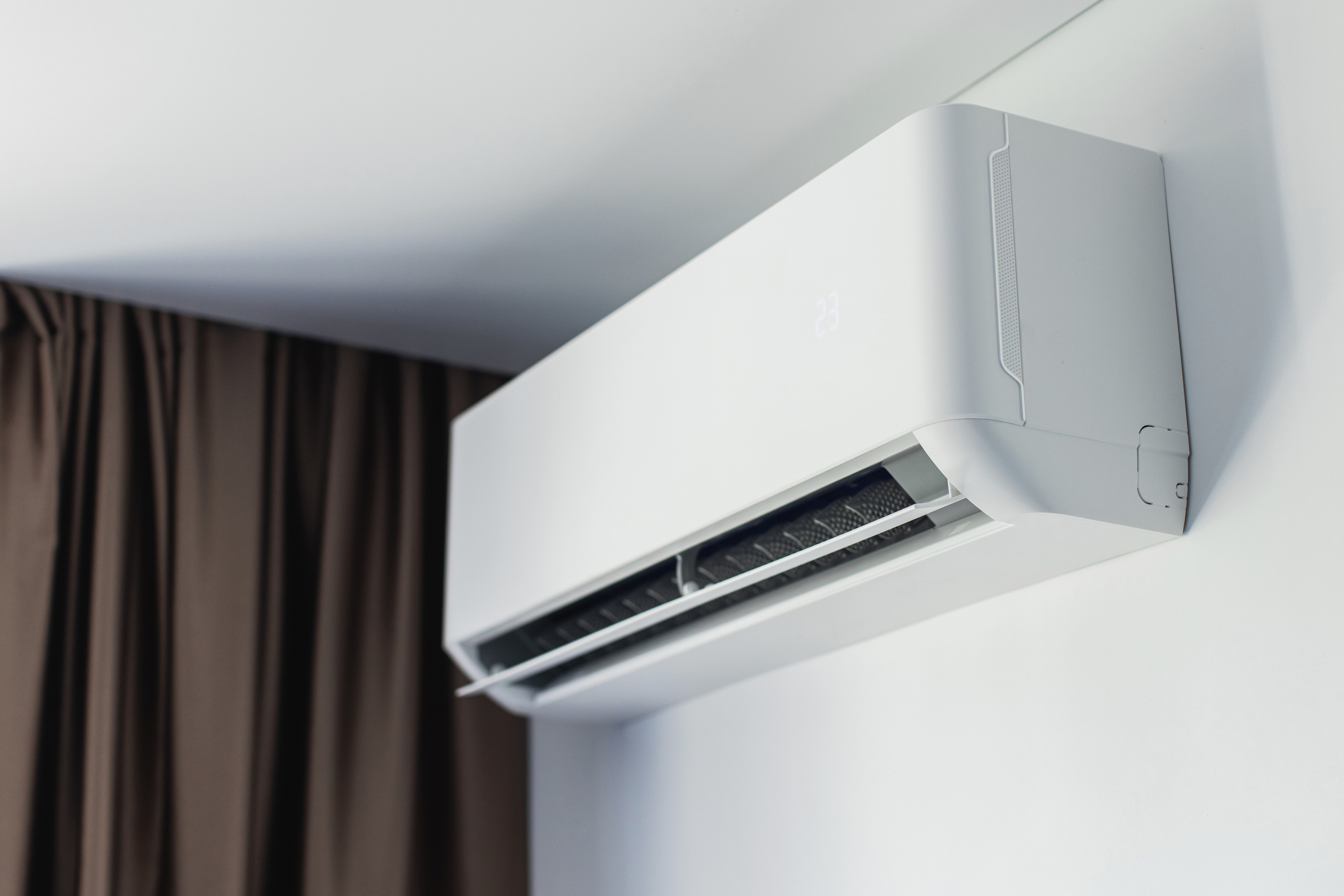
A split system dripping water indoors isn’t just an inconvenience. Left unaddressed, it can damage ceilings, walls, and flooring, create conditions for mould growth, and in some cases cause electrical faults inside the unit. It’s a sign that something in the drainage or cycle for heating and cooling Melton isn’t working correctly, and it won’t resolve itself. Here’s a clear breakdown of why it happens and what to do about it for homeowners across West Melbourne.
Why Split Systems Produce Water
When your split system’s heating and cooling cycle is running, warm humid air passes across the cold evaporator coil inside the indoor unit. The temperature difference causes moisture in the air to condense on the coil surface, the same way a cold glass beads up on a humid day. This condensate collects in a drip tray beneath the coil and drains away through a condensate drain pipe to the outside of the building. Under normal operation, you’d never notice any of this happening.
Water dripping indoors means something has interrupted this drainage process, or the system is producing more condensate than the drain can handle.
The Most Common Causes
1. Blocked Condensate Drain
This is the most common cause. Over time, algae, mould, dust, and debris accumulate inside the condensate drain pipe. The pipe becomes partially or fully blocked, water backs up into the drip tray, the tray overflows, and water drips from the indoor unit. The blockage is often in the drain pipe itself rather than the tray, and it can develop gradually over a year or two of operation.
A technician can flush or vacuum out the drain and treat it to slow future growth. This is one of the most common faults found during routine heating and cooling service Bacchus Marsh.
2. Frozen Evaporator Coil Melting
When the evaporator coil freezes over, typically from restricted airflow caused by a clogged filter, the system shuts down or the ice melts when the compressor cycles off. The rapid melting of ice produces far more water than the drip tray and drain can handle, and it overflows into the room.
You may notice the dripping is intermittent rather than constant, occurring after the system has been running for a while and then reducing or stopping. Ice on the indoor unit is a strong indicator of this cause. Clean the filter and let the unit defrost completely before restarting. If freezing recurs, call a technician as the underlying cause, usually low refrigerant or a severely dirty coil, needs professional attention.
3. Incorrectly Installed Drain Line
Condensate drain lines need a continuous downward slope to allow gravity to drain water away. If the drain line runs uphill at any point, or was installed with insufficient gradient, water pools in the low section rather than draining away. This is an installation fault rather than a wear-and-tear issue. It may not appear immediately after installation but often becomes apparent over the first summer of operation.
Correcting it requires inspecting and re-routing the drain line, which is a job for a licensed technician.
4. Cracked or Damaged Drip Tray
The plastic drip tray beneath the evaporator coil can crack over time due to thermal cycling and age. When it cracks, water escapes before it reaches the drain pipe. This is more common in older units, typically those over eight to ten years old. The tray needs to be replaced, which requires disassembling the indoor unit, a technician-only task.
5. High Humidity Conditions
On unusually humid days, a system working hard may produce more condensate than the drain can handle if it’s already partially restricted. This is less common in Melbourne’s western suburbs than in coastal areas, but it does occur on humid storm-front days. A drain that barely manages on typical days will overflow when humidity spikes. This is a sign the drain needs clearing even if it’s been marginally functional up to that point.
6. Low Refrigerant Causing Excess Condensate
When refrigerant levels drop, the evaporator coil runs at an abnormally low temperature, causing it to attract significantly more condensation than normal. The excess moisture overwhelms the drain capacity. If you’re also noticing reduced heating and cooling performance, low refrigerant may be causing both the water and the performance problem simultaneously.
What to Do When Your Split System Is Dripping
Turn the system off. Running a dripping unit risks water reaching the electrical components of the indoor unit, which can cause a short circuit or more serious fault. Place a towel or container under the unit to protect your ceiling or flooring until the issue is resolved.
Check the filter. If it’s clogged, clean it and let the unit fully defrost if ice has formed. This resolves the issue if freezing was the cause. If the filter is clean and there’s no evidence of ice, the problem is most likely a blocked drain or a fault in the drain system, which requires a technician.
Conclusion
Water dripping from the indoor unit can cause significant secondary damage if left unaddressed. Ceiling plasterboard saturated with condensate can crack or fall. Mould grows quickly in damp ceiling cavities. Electrical components in the unit exposed to water drips create a fault risk. The repair bill from the secondary damage often exceeds the cost of fixing the actual split system fault. New Image Heating & Cooling responds quickly to split system faults across West Melbourne. Call 0468 125 098. Book before noon for same-day service availability.
Frequently Asked Questions
Is it normal for a split system to drip a small amount of water?
A very small amount of condensation on the outside of the indoor unit during high-humidity conditions can be normal. Water dripping from the unit into the room is not normal and indicates a drainage problem that needs to be addressed.
Can I clear a blocked condensate drain myself?
Some homeowners use a wet-dry vacuum to suction out the drain from the outdoor end of the pipe. This can work on a simple blockage. However, treating the drain with an algae-inhibiting tablet to slow future blockage growth, and checking the full drain run for correct slope and condition, is more effectively done by a technician during a service.
My split system only drips water on very hot days. Is that different from a normal drain blockage?
Dripping only on peak heat days suggests the drain is partially blocked and just manages on normal days, but overflows when the system produces more condensate under heavy load. The drain still needs to be cleared. The frequency of dripping doesn’t change the underlying cause.
Could the water be coming from the refrigerant lines rather than the drain?
Yes. If refrigerant lines running between the indoor and outdoor unit aren’t properly insulated, condensation can form on the line surfaces in humid conditions. This appears as water dripping along the line run. Check whether the dripping is coming from the unit itself or from the line set. If it’s from the lines, the insulation needs replacing.
How much does it cost to fix a dripping split system?
A blocked drain clearance is one of the more straightforward and affordable split system repairs. Costs increase if the drain line needs re-routing, the drip tray needs replacing, or if the dripping has been caused by a more complex issue like low refrigerant. New Image Heating & Cooling provides upfront pricing before work begins. Call 0468 125 098 for a quote.



