
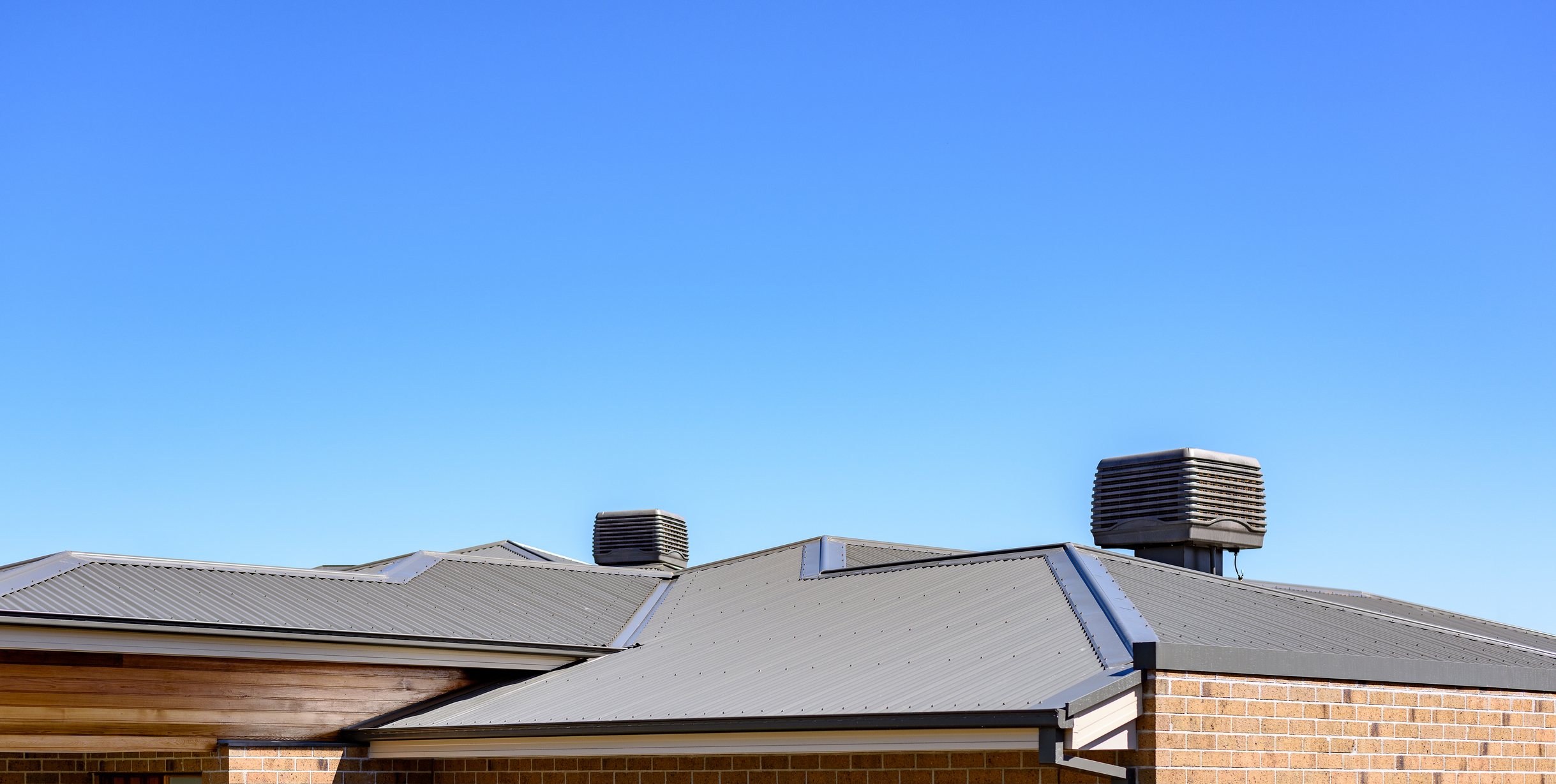
Every evaporative cooling system Melton reaches a crossroads eventually. The question stops being “what needs fixing this season?” and starts being “is this system still worth fixing at all?” For homeowners, where reliable summer cooling isn’t a luxury but a genuine health and comfort necessity, getting this decision right really matters. Pouring money into a system that’s genuinely past its useful life is expensive and frustrating. But replacing a system that had several good years left in it is an equally unnecessary cost. This guide gives you a practical, honest framework for making the right call based on what the evidence actually shows — not just what a sales pitch might tell you.
How Long Should an Evaporative Cooler Actually Last?
Understanding your system’s realistic lifespan is the starting point for any repair-versus-replace conversation. A well-maintained ducted evaporative cooler installed in Melton or Bacchus Marsh has a realistic working lifespan of 15 to 20 years. That wide range exists because maintenance history matters enormously.
What separates a 20-year system from a 12-year system
- Annual professional servicing: Systems that have been inspected, cleaned, and serviced every year consistently reach the upper end of their expected lifespan. Servicing catches developing problems before they become component failures, keeps bearings lubricated, keeps the pump and distribution system clean, and ensures the unit is correctly winterised at the end of each cooling season.
- Pad replacement on schedule: Evaporative cooling pads should typically be replaced every one to three years depending on water quality and usage. Pads that are left in place too long become hard, lose their absorption capacity, harbour mineral deposits, and can restrict airflow enough to stress the motor. Old pads are one of the most common avoidable contributors to premature system wear.
- Winterisation: In Melton and Bacchus Marsh, where winters are cold enough to freeze standing water, a system that isn’t properly drained and covered for winter is exposed to frost damage, accelerated corrosion in the water distribution tray, and pump seal deterioration from sitting in stagnant water. Systems that have been winterised properly every year look and operate significantly better than those that haven’t.
- Water quality management: Hard water in Melbourne’s west deposits calcium and mineral scale in the reservoir, distribution tray, and pump. Without periodic descaling, this buildup restricts flow, blocks the pump, and accelerates corrosion. Regular cleaning substantially extends the life of the water system components.
Knowing your system’s actual service history is the starting point. A 13-year-old system with annual servicing is in a completely different position to a 13-year-old system that hasn’t been touched since it was installed.
Signs That Replacement Is the Right Answer
Some situations genuinely point toward replacement rather than repair. Here are the most common ones for Melton and Bacchus Marsh homeowners, and why they tip the balance.
Motor failure on an ageing system
- The blower motor is the single most expensive component in an evaporative cooler after the unit itself. When a motor fails on a system that’s already 12 to 15 years old, the repair cost versus replacement value calculation often tilts decisively toward replacement.
- The issue isn’t just the motor cost. A motor replacement on an ageing system that then has a pump failure, a distribution tray failure, or accelerating structural corrosion within the next two seasons has cost you more than a new installation would have. You’ve spent the replacement budget on an old system that still needs replacing.
- If a technician recommends motor replacement on a system over 12 years old, ask them directly: given the system’s overall condition, does motor replacement make financial sense, or is replacement the smarter call?
Structural corrosion or physical deterioration of the unit
- Evaporative cooler cabinets sit on rooftops in Melbourne’s west, exposed to years of UV radiation, heat cycling that can range from 45°C summer afternoons to sub-zero winter nights, and constant moisture exposure from the water distribution system.
- Units with corroded or structurally compromised casings, frames, or internal distribution trays have reached the end of their service life regardless of whether the motor and pump still function. A corroded frame allows bypass air around the pads — uncooled outdoor air entering the duct system alongside the properly treated air. You lose cooling efficiency and pay to run a system that can’t perform as designed.
- Fitting new pads and a new pump into a structurally compromised unit is putting good money into a bad situation. The unit itself needs to be replaced, not just serviced.
Repeated significant repairs within a short period
- If your system has needed two or more significant repair jobs within two to three cooling seasons, it’s exhibiting a pattern of systemic decline. Components in ageing systems don’t fail in isolation as random events — they fail as a result of accumulated wear that affects multiple parts of the system at the same time.
- Fixing one thing only to have the next thing fail within a season is a financially losing proposition. At some point you need to step back and look at the total money spent on repairs over recent seasons versus what a replacement would cost.
- Keep a simple record of what you’ve spent on repairs over the past three to five years. If that number is approaching half the cost of a replacement installation, replacement is almost certainly the better financial decision going forward.
The system no longer meets the home’s cooling needs
- If the home has been extended, renovated, or reconfigured since the evaporative system was installed, the system may simply be undersized for the space it’s now expected to cool. An extra bedroom, an open-plan extension, or an enclosed alfresco area can meaningfully increase the cooling load beyond what the original system was designed for.
- A technician can confirm whether the system is performing at its designed capacity. If it is, and the home still can’t be adequately cooled, the issue isn’t the system condition — it’s the system size. Replacement with a correctly sized unit is the right answer.
- In Bacchus Marsh in particular, where summer temperatures regularly exceed 38°C, an undersized evaporative system will struggle regardless of how well-maintained it is. Correct sizing for the actual home and its climate is essential.
The 50 Percent Rule
A widely applied industry guideline states that if the cost of a repair exceeds 50 percent of the cost of a new installation, replacement is generally the better financial decision — particularly if the system is more than ten years old.
How to apply this in Melton and Bacchus Marsh
- Get a replacement quote before committing to a significant repair. Knowing the cost of a new installation gives you a concrete comparison point for the repair estimate.
- Evaporative cooling systems are significantly more affordable to install than ducted refrigerative systems of equivalent whole-home coverage. This means the 50 percent threshold is a lower absolute dollar amount — making it easier to reach the point where replacement makes more financial sense than repair.
- Don’t apply the rule in isolation. Age, service history, and overall structural condition should all inform the decision alongside the repair cost comparison. A relatively inexpensive repair on a 16-year-old corroded unit that’s been neglected may still not be worth doing.
When Repair Is Still the Right Call
Replacement isn’t always the answer — and a reputable technician will tell you that honestly. Repair makes clear sense in the following situations.
Situations where repair is the right choice
- The system is under ten years old and the fault is an individual component — a pump, float valve, distribution tray, or pad replacement. These are expected maintenance items, not indicators of systemic decline.
- The system has a good service history and is otherwise in sound structural condition — no significant corrosion, frame integrity intact, motor and bearings in reasonable shape.
- The repair cost is comfortably under 50 percent of replacement cost, and a technician can confirm that no other components are likely to fail in the near term.
- It’s a single isolated component failure with no pattern of repeat repairs in recent seasons.
A well-maintained eight-year-old system with a failed pump is almost always worth repairing. A 15-year-old system with a failed motor, a corroded distribution tray, and three significant repairs in the past four seasons is a very different conversation.
What to Look for in a Replacement System
If the evidence points toward replacement, these are the most important considerations for getting the right outcome for your Melton or Bacchus Marsh home.
Key factors in choosing the right replacement
- Correct sizing is the most important decision: Melton and Bacchus Marsh regularly experience some of the hottest summer days of any area in greater Melbourne. Don’t downsize to save on the unit cost. A correctly sized system for your home’s actual floor area, ceiling height, and orientation — accounting for west-facing solar exposure common in the western suburbs — will outperform a cheaper undersized unit every single summer for the next 15 to 20 years. The upfront unit cost difference is irrelevant compared to 20 years of inadequate cooling.
- Motor and pad system quality: This is where the long-term reliability difference between budget and quality systems shows up. A quality motor with properly rated bearings will last significantly longer under the daily start-stop cycling of Melbourne’s summer. Don’t cut costs on the components that determine the system’s working life.
- Duct condition assessment: If the existing ductwork is also aged and showing wear, replacing only the rooftop unit while leaving deteriorated ductwork in place shifts the problem rather than solving it. Ask your installer to include a duct condition assessment as part of the replacement project. Reusing sound ductwork saves money; reusing ductwork that needs replacing just creates the next repair.
- Installation quality: The quality of the installation itself — how the unit is mounted, how the duct connections are made, how the electrical and water connections are handled — significantly affects long-term reliability. Use an experienced local installer who knows the specific demands of western Melbourne’s climate.
The Case for Proactive Replacement
If your system is approaching the end of its expected service life, there’s a real advantage to replacing it on your own schedule rather than waiting for it to fail. An emergency mid-summer replacement in Melton or Bacchus Marsh, when every HVAC technician in the area is booked weeks out, is significantly more stressful and potentially more expensive than a planned spring replacement. Replacing in spring means you have the full cooling season to benefit from the new system, you can take the time to get sizing right, and you’re not making a rushed decision under pressure.
Conclusion
Making the repair-versus-replace decision confidently starts with an honest assessment from a technician who isn’t incentivised to push you toward either outcome. At New Image Heating and Cooling Bacchus Marsh, we service and replace evaporative cooling systems. We’ll tell you what your system’s actual condition is, what we think the remaining service life looks like, and what the repair-versus-replace economics look like for your specific situation. If repair genuinely makes more sense, we’ll say so. If replacement is the better call, we’ll explain exactly why. Call us on 0468 125 098 to book an assessment or service call. Book before noon for guaranteed same-day availability. Let’s make sure you’re heading into summer with a cooling system you can actually rely on.
Frequently Asked Questions
How much does it cost to replace an evaporative cooler?
The cost depends on the size of the unit required, the complexity of the installation including roof access and duct connections, and the brand and model selected. Evaporative cooling replacement is significantly more affordable than ducted refrigerative systems of equivalent whole-home coverage. New Image Heating & Cooling provides upfront, no-obligation quotes before any work begins. Call 0468 125 098 for a free assessment and quote specific to your home.
Should I replace my evaporative cooler with refrigerative air conditioning instead?
For most homes, like-for-like replacement with a new evaporative system is the most cost-effective approach. Evaporative cooling performs very well in the dry summer climate of Melbourne’s west, costs significantly less to install and run than ducted refrigerative systems, and provides whole-home coverage from a single rooftop unit. The main case for moving to refrigerative cooling is if you have genuine cooling requirements on humid days, if the home layout has changed in a way that makes ducted evaporative impractical, or if you’re looking for a system that also provides winter heating via reverse cycle. Discuss your specific situation with a technician who knows both options well.
My evaporative cooler is 18 years old but still working. Should I replace it?
An 18-year-old system that’s still cooling is past the average service life for a neglected system, but not unusual for a well-maintained one. The right question isn’t simply the age — it’s what the system’s current condition looks like. Book a professional service and ask the technician to give you an honest assessment of the motor bearings, pump condition, structural integrity of the unit, and overall performance relative to design capacity. If the unit is in reasonable structural shape with no significant wear on major components, continuing to service it makes sense. If multiple components are showing end-of-life wear, planning for a proactive replacement before the next summer is the prudent approach.
Can I keep my existing ductwork when replacing the rooftop unit?
Often yes, and reusing sound existing ductwork is one of the more effective ways to reduce the total cost of a replacement project. Whether you can depends on the condition of the ductwork — its age, whether flexible sections have deteriorated or kinked, whether connections are still sealed, and whether the duct layout suits the new unit’s airflow requirements. A duct inspection as part of the replacement assessment will give you a clear answer. Your installer will advise on which sections can be reused and which may need to be replaced or repaired.
Is there a benefit to replacing an old evaporative cooler proactively, even if it’s still working?
Yes, in several practical ways. Modern evaporative cooling units are more energy-efficient, quieter in operation, and more reliable than units from 15 or more years ago. If your system is approaching end of life, replacing it on your own schedule — ideally in spring — means you avoid the stress and expense of emergency mid-summer replacement when technicians are heavily booked, you can take the time to get sizing right for your current home, and you enter the cooling season with a reliable new system rather than an ageing one you’re hoping holds together. Planning a replacement beats being forced into one.
How do I know if my evaporative cooler is undersized for my home?
The clearest sign is that the system runs continuously on hot days but can’t bring the home to a comfortable temperature, even when everything is functioning correctly. If your system is blowing cool air but the house still feels uncomfortable on days above 35°C, it’s worth having a technician assess whether the unit’s airflow capacity matches your home’s current floor area and ceiling volume. Homes that have been extended or reconfigured since the original installation are the most common candidates for undersizing. A correctly sized replacement will make a noticeable difference from the first hot day.



