
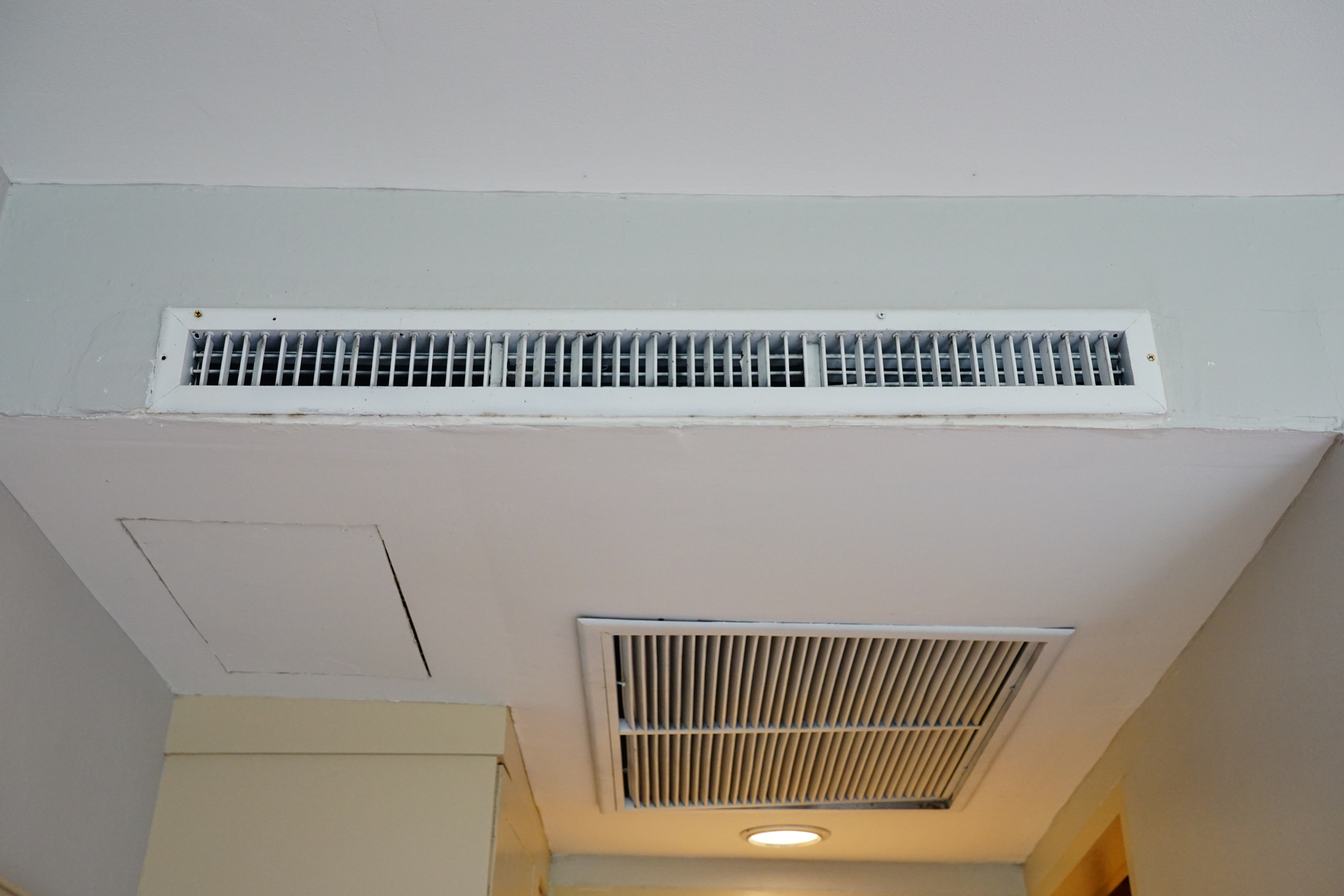
Ducted system in Melton and Bacchus Marsh is one of the most significant home improvement investments. For the right home, it delivers unmatched whole-house comfort through Melbourne’s punishing summers and cold winters. For the wrong home, it can be an expensive system that never quite performs as expected, leaving you wondering whether you made the right call. The decision deserves careful thought, not a quick sales pitch.
This guide is written specifically for homeowners in West Melbourne. Whether you’re in a brand-new estate in Melton South, an established home in Darley, or a rural property on the outskirts of Bacchus Marsh, here’s what you genuinely need to know before committing to ducted air conditioning.
Where Ducted Air Conditioning Excels
Ducted systems are not the right fit for every home, but when the conditions are right, they are genuinely the best whole-home comfort solution available. Here’s where they shine.
Larger Homes With Multiple Rooms
Ducted air conditioning makes the most financial and practical sense when a home has four or more rooms that the family uses regularly and needs to condition. In Melton’s newer four and five-bedroom estates, running individual split systems in every room quickly becomes impractical: the cost of purchasing and installing multiple indoor units adds up fast, the visual impact of wall-mounted units in every room affects the interior finish, and managing multiple remote controls and separate systems becomes a daily hassle.
- A single ducted system covers the whole home from one installation point.
- Cost-per-room drops significantly as home size increases — conditioning six rooms via a ducted system is considerably more economical than running six separate split systems.
- Zoning allows you to run only the areas you’re actually using, which keeps running costs manageable even in a large home.
- One wall controller manages everything, rather than juggling multiple remotes and timers.
Homeowners Who Value a Clean Interior Finish
A ducted system is almost entirely invisible from inside the rooms. If interior aesthetics matter to you, this is often the deciding factor on its own.
- The only visible components inside rooms are small, flush ceiling outlets — typically powder-coated grilles that sit flat against the ceiling.
- There are no bulky wall-mounted indoor units dominating a wall in every room.
- No refrigerant line covers running along exterior walls or around architraves.
- No external condensers sitting outside every bedroom window.
- The single outdoor condensing unit is typically placed at the side or rear of the home, away from living spaces.
For Melton and Bacchus Marsh homeowners who have invested in good finishes and want a clean, uncluttered interior look, ducted systems are the clear preference over multiple split systems.
New Builds and Major Renovations
The best time to install ducted air conditioning is during construction or a major renovation. When the walls are open, the roof cavity is accessible, and the ceilings aren’t yet finished, the installation is significantly faster, cleaner, and more cost-effective than retrofitting into a finished home.
- Ductwork can be installed before wall linings and ceilings are completed, avoiding the need to cut through finished surfaces.
- The indoor unit can be positioned optimally in the roof cavity with proper clearance and service access.
- Wiring and refrigerant lines can be routed cleanly through wall cavities without surface-mounted conduit covers.
- The outdoor unit location can be planned into the build, rather than retrofitted wherever space allows.
Many builders working in Melton’s growth corridor now include ducted reverse-cycle air conditioning as a standard inclusion or an affordable upgrade at the time of construction. If you’re building or planning a major renovation in Melton or Bacchus Marsh, this is the optimal time to make the decision and lock it in.
Homes That Need Both Heating and Cooling
Melton and Bacchus Marsh experience genuine seasonal extremes — hot, dry summers where temperatures regularly exceed 38°C, and cold winters where overnight temperatures frequently drop below 5°C. Managing both seasons efficiently is a real consideration.
- A reverse-cycle ducted system handles both summer cooling and winter heating from the same equipment, using the same ductwork and ceiling outlets.
- This eliminates the need for a separate ducted gas heating system, reducing both upfront cost and ongoing maintenance requirements.
- Modern inverter-driven reverse-cycle systems are highly efficient even at low outdoor temperatures, making them well-suited to Bacchus Marsh winters.
- Many homes in Melton that previously ran both ducted evaporative cooling and ducted gas heating are being upgraded to a single reverse-cycle system that handles both seasons more efficiently and with lower ongoing running costs.
Where Ducted Systems Have Limitations
Ducted air conditioning isn’t right for every situation. Being honest about the limitations matters — the wrong system in the wrong home creates long-term frustration and wasted money.
Small Homes or Units
For a two-bedroom unit or a compact home where only one or two rooms need conditioning, the capital cost of a ducted installation is difficult to justify against the benefit it delivers.
- A well-positioned split system in the main living area and one in the master bedroom delivers equivalent comfort for a fraction of the ducted cost in small footprint homes.
- The energy savings and convenience benefits of ducted systems scale with home size — in a small home, those benefits narrow considerably.
- Split systems are also easier to service and replace individually if one unit develops a fault.
Budget-Constrained Installation
Ducted air conditioning requires a higher upfront investment than split systems. If the budget doesn’t support the full installation now, there are sensible alternatives.
- Two or three well-positioned split systems can provide meaningful coverage of the main living areas and bedrooms at a lower initial cost.
- A ducted system can potentially be added later if circumstances change, though retrofitting into a finished home does carry additional cost.
- Running costs for multiple split systems covering the same area are typically higher than a well-zoned ducted system, but the lower initial outlay can be the deciding factor when budget is tight.
Homes With Limited Roof Cavity Access
Ducted systems require adequate roof cavity space to house the indoor unit and route ductwork to all rooms. Not every home in Melton and Bacchus Marsh has the roof structure to support this easily.
- Low-pitched roofs, skillion roofs, or homes with very tight roof cavities can make ducted installation more complex and expensive.
- Older concrete-slab homes with minimal roof cavity space may require underfloor ducted systems as an alternative, which carry their own cost and access considerations.
- A site assessment before committing to a ducted installation is essential in any home where roof cavity access isn’t straightforward.
Understanding Zoning: The Feature That Changes the Equation
One of the most significant advantages of modern ducted systems — and the feature most often underexplained during the sales process — is zoning. Understanding how zoning works changes how you think about running costs and whether a ducted system is genuinely economical for your home.
What Zoning Actually Does
- Zoning divides your home into independent areas, each controlled by motorised dampers inside the ductwork.
- When a zone is switched off, the damper closes and no conditioned air flows to that area — the system only conditions the spaces you’re actively using.
- A four-zone ducted system in a five-bedroom Melton home might run the living zone and master bedroom zone during the evening while leaving the children’s rooms and rear zones off, using roughly 40-50% of the system’s full capacity rather than the whole house.
- Good zoning design matters as much as the system capacity — poorly designed zoning can create pressure imbalances in the duct system that reduce efficiency and cause noise.
How Many Zones Do You Actually Need?
- A minimum of two zones (living and sleeping) is useful in almost any home larger than three bedrooms.
- Four to six zones is typical for a four or five-bedroom Melton or Bacchus Marsh home with a main living area, separate family room, master zone, and children’s bedroom zone.
- More zones is not always better — excessive zoning on a small system can create airflow restrictions when too many zones are closed simultaneously. A good installer will size the system and zone layout together.
Ducted vs Split Systems: A Practical Comparison
The choice between ducted and split systems isn’t always clear-cut. Here’s a straightforward side-by-side to help frame the decision for Melton and Bacchus Marsh homes.
Upfront Cost
- Ducted: Higher upfront cost, typically including system, installation, ductwork, and zoning controls. Cost scales with home size and number of zones.
- Split systems: Lower per-unit cost, but multiple units required for whole-home coverage add up — and each requires its own installation, refrigerant line, and electrical connection.
Running Costs
- A well-zoned ducted system running only active areas can be cheaper to operate than multiple split systems running simultaneously.
- A ducted system running the whole house all the time (no zoning) is typically more expensive to run than two or three targeted split systems.
- Energy star ratings matter: a higher-rated ducted system in a well-insulated Melton home will perform well year-round.
Aesthetics and Livability
- Ducted: invisible inside rooms, single controller, whole-home coverage.
- Split systems: visible indoor units on walls, separate remotes, coverage limited to rooms where a unit is installed.
Flexibility
- Split systems can be added one room at a time, matching budget availability.
- Ducted systems are designed and installed as a whole — adding zones or capacity later is possible but adds cost and complexity.
Key Questions to Ask Before Deciding
Before committing to ducted air conditioning, work through these questions honestly. Your answers will guide you towards the right decision for your specific home and situation.
- How many rooms do I genuinely need to condition on a regular basis?
- Is my roof cavity accessible and large enough to house ductwork and the indoor unit?
- Am I planning to stay in this home long enough to recover the investment through comfort and reduced running costs?
- Is whole-home aesthetics a priority, or am I comfortable with wall-mounted units?
- Would zoning allow me to condition only the areas I’m using, and how many zones makes sense for how my family uses the home?
- Is my home’s insulation adequate to support efficient operation, or does it need upgrading first?
- Am I building or renovating, which makes installation simpler and more cost-effective?
- Do I need both heating and cooling, or primarily one season?
What to Expect From a Good Installation
Not all ducted air conditioning installations are equal. A system that’s been sized correctly, zoned properly, and installed with clean duct runs and proper insulation will outperform a poorly designed system of the same brand every time. Here’s what a quality installation involves.
Proper Load Calculation
- The system capacity should be calculated based on your home’s floor area, ceiling height, insulation levels, window area, orientation, and local climate data — not just a per-square-metre rule of thumb.
- An undersized system will run continuously on hot days and never reach the set temperature. An oversized system will short-cycle, creating humidity problems and uneven temperatures.
- Melton and Bacchus Marsh’s climate profile (hot summers, cold winters, significant day-night temperature variation) should factor into the calculation.
Duct Design and Insulation
- Duct runs should be as short and direct as possible to minimise static pressure losses.
- All ductwork in the roof cavity should be insulated to prevent heat gain in summer and heat loss in winter.
- Duct joints should be properly sealed to avoid conditioned air escaping into the roof cavity before reaching the room outlets.
Conclusion
The system you install today will shape how comfortable your home is for the next 15 to 20 years and how much it costs to run every single season. Getting the wrong system, the wrong size, or the wrong zone layout is an expensive mistake that’s difficult to undo.
New Image Heating and Cooling Melton provides honest, no-pressure assessments for homeowners. We’ll tell you straight whether ducted air conditioning is genuinely the best fit for your home, or whether a well-planned combination of split systems would serve you better and save you money. We don’t oversell systems your home doesn’t need, and we don’t recommend replacement when repair will do the job. Our advice is based on what’s right for your home, not what generates the largest sale.
Call us on 0468 125 098 or submit our online form to book a no-obligation consultation. Let’s work out what your home actually needs.
Frequently Asked Questions
How much does ducted air conditioning cost to install?
Installation costs vary depending on the home’s size, the number of zones, roof cavity accessibility, the brand and capacity of the system selected, and whether the installation is during a new build or a retrofit. New Image Heating & Cooling provides upfront, itemised pricing before any work begins. Call 0468 125 098 to arrange a free site assessment and quote specific to your home.
Can ducted air conditioning be retrofitted into an existing home?
Yes, in most cases. Retrofit installation is more complex and costly than installing during construction, because the ductwork needs to be routed through finished roof cavities and ceiling spaces. However, it is achievable in most homes with adequate roof cavity space. A site inspection is essential before committing, particularly for low-pitched roofs or homes with limited ceiling space. New Image Heating & Cooling will assess your home and tell you exactly what’s involved.
Is ducted air conditioning expensive to run in Melbourne climate?
Running costs depend heavily on zoning discipline, the system’s energy star rating, home insulation quality, and how the system is used. A modern inverter ducted system with good zoning, used intelligently to condition only occupied areas, can be very economical even in Melton’s hot summers. An unzoned system run across the whole home continuously will cost more. A properly sized and zoned system is typically cheaper to run than the equivalent number of split systems covering the same floor area.
What is the difference between ducted reverse-cycle and ducted evaporative cooling?
Ducted reverse-cycle air conditioning uses refrigerant-based technology to both cool and heat, functioning effectively regardless of outdoor humidity or temperature. Ducted evaporative cooling uses water evaporation to cool air, which works well in dry conditions but loses effectiveness on humid days and cannot provide heating. Reverse-cycle is the more versatile, year-round solution and is the better choice for Melton and Bacchus Marsh’s climate, which requires both seasons to be managed effectively.
How long does ducted air conditioning installation take?
Most residential ducted installations take one to two days for a retrofit in an existing home, depending on the number of zones, the roof cavity layout, and the complexity of the duct runs. New builds are typically faster as the ductwork is installed before ceilings are finished. New Image Heating & Cooling will confirm the timeline as part of your quote, and we’ll work around your schedule where possible.
How many zones does a home actually need?
Most four and five-bedroom homes in Melton benefit from four to six zones: typically a main living zone, a family room zone, a master bedroom zone, and a children’s zone. Homes in Bacchus Marsh on larger blocks with distinct living wings often suit more zones. The right number depends on how your family uses the home, the floor plan layout, and the system capacity. New Image Heating & Cooling will recommend a zone configuration based on your actual home rather than a generic template.



