
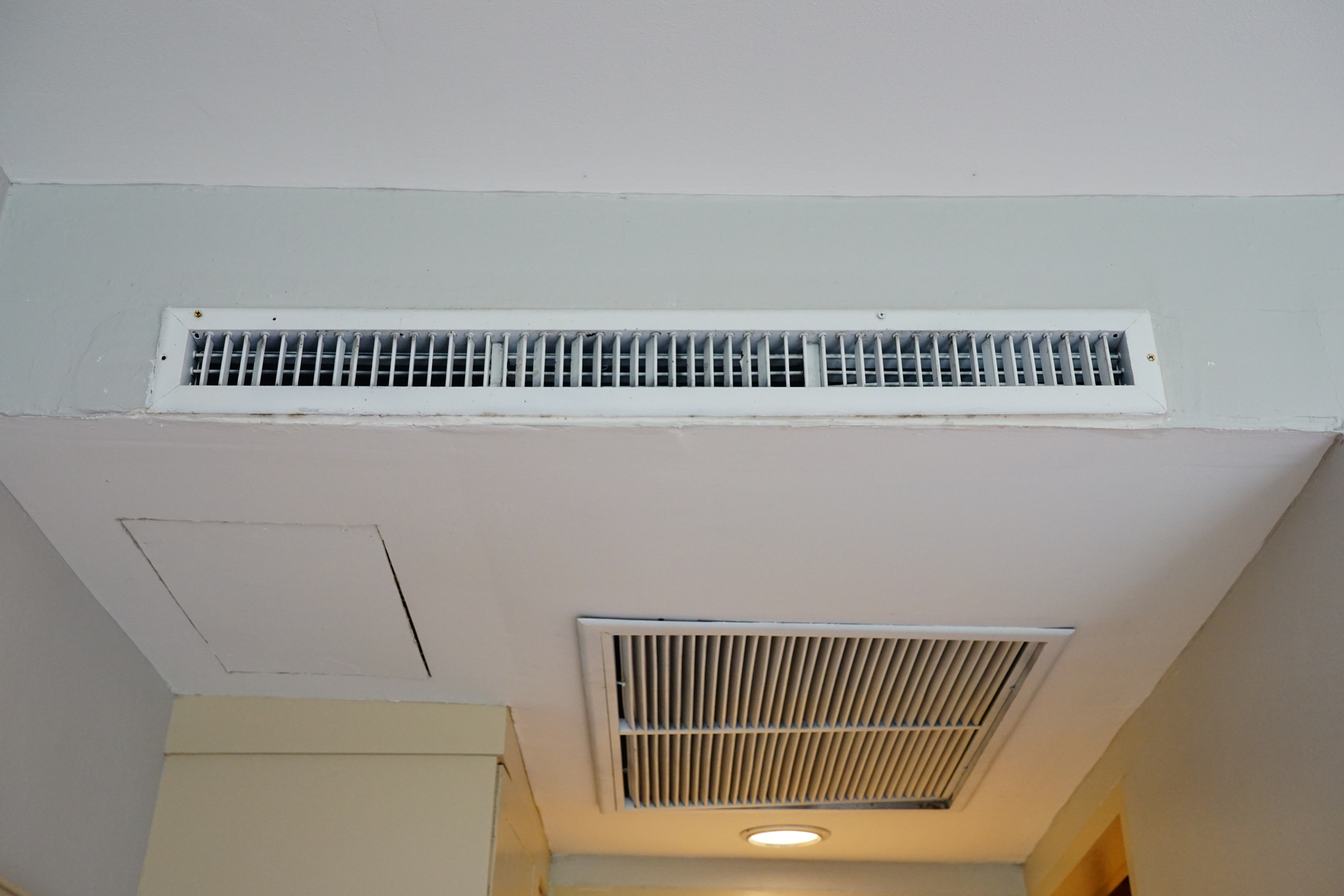
Ducted air conditioners Melton make noise during operation. A consistent, steady hum from the indoor unit, the soft rush of air through ceiling vents, and the occasional click of a damper opening or closing are all normal sounds of a working system. Homeowners in West Melbourne who’ve had their systems running for years generally know what their unit sounds like and when something’s changed.
What’s not normal is anything new, anything louder than usual, or any sound that doesn’t belong. Unusual noises from a ducted system are almost always a sign that something needs attention. Ignoring them rarely ends well. What starts as a minor mechanical issue that would cost little to fix at the noise stage can escalate into an expensive component failure or a full system breakdown mid-summer if left alone. This guide covers the most common loud or unusual noises from ducted systems, what they typically indicate, and what to do about each one.
Banging or Thumping
A banging or thumping sound from the indoor unit or a ceiling duct is one of the more alarming noises a system can produce, and for good reason. It usually means something is physically impacting something else inside the system. This is not a noise to run the system through — turn it off and call a technician.
- Loose or unbalanced blower wheel. The blower wheel inside the indoor unit can come loose on its shaft or develop an imbalance over time. When it hits the casing at speed, it produces a heavy thump or bang with each rotation. Continued operation with a loose blower wheel accelerates shaft wear and can damage the casing or motor.
- Debris inside the system. A piece of debris — roof insulation material, a small object, or anything that’s entered through a duct leak or during a maintenance visit — can rattle around inside the blower assembly and produce loud banging sounds when airflow picks up. This needs the unit opened and inspected to locate and remove the object.
- Unsecured duct sections. Flexible ductwork that’s not properly secured to roof timbers can bang against structural elements when airflow pressure fluctuates, particularly at startup and shutdown. This sounds like a bang in the ceiling rather than from the indoor unit itself.
- Refrigerant liquid slugging in the compressor. In some cases, a banging or knocking from the outdoor unit at startup can indicate liquid refrigerant entering the compressor. This is a serious fault and should be assessed by a licensed technician immediately.
Rattling
Rattling is one of the most common noise complaints from ducted system owners across Melton and Bacchus Marsh. It’s often less alarming than banging but shouldn’t be dismissed — it can originate from several different places, and identifying which one is the first step to fixing it.
- Loose ceiling vent covers. Vent covers that have lost their clips or screws vibrate against the ceiling surface when air passes through them. This is usually easy to identify by touch — hold the vent cover firmly and check if the rattling stops. Re-securing the cover with the correct clips or screws fixes it immediately.
- Loose panels on the indoor unit. Access panels or casing on the indoor unit can loosen over time, particularly on systems that have been serviced frequently. Check that all covers and panels are properly seated and secured. A loose panel vibrates at the frequency of the blower motor and can produce a consistent low-frequency rattle throughout operation.
- Unsecured ductwork in the roof cavity. Duct sections that aren’t properly supported or secured vibrate when airflow passes through. This is particularly common in older installations where the original strapping has degraded or been displaced during roof repairs or insulation work. Fixing it requires access to the roof cavity to re-strap and support the affected runs.
- Debris inside the duct system. Leaves, roof insulation material, or small objects that have entered through a duct leak or an unsealed vent opening rattle as air moves through. The rattling is often intermittent and can sound like it’s coming from a different location than the actual source due to sound travelling through the ductwork.
- Loose refrigerant line insulation or pipe clips. Refrigerant lines that are inadequately secured can vibrate against each other or against the structure. Check the lines at accessible points for movement.
Grinding or Squealing
Grinding or squealing from the indoor unit are serious sounds that point directly to mechanical wear inside the blower motor assembly. These noises shouldn’t be ignored even briefly — the component causing the noise will worsen with continued operation, and what’s a bearing replacement at the squealing stage often becomes a full motor replacement at the grinding stage.
- Grinding. Worn or dry blower motor bearings generating metal-on-metal contact produce a grinding sound that’s usually consistent during operation and gets louder over time. This will progress to motor seizure if not addressed. The motor typically needs bearing replacement early on, but if the bearings have been running dry for an extended period, full motor replacement may be the only option.
- Squealing from belt-drive units. Older ducted systems, and some current installations in larger homes, use belt-drive motors rather than direct-drive. A worn, cracked, or misaligned belt produces a high-pitched squealing sound during operation. Belt replacement or adjustment is a straightforward and affordable repair, but a squealing belt that’s ignored will eventually snap and leave the system unable to move air entirely.
- Squealing from a seized bearing on a direct-drive motor. On direct-drive motors, a partially seized bearing can produce a high-pitched squeal before progressing to grinding. This is an early warning sign that bearing replacement is needed now rather than later.
- Blower wheel rubbing on the housing. If the blower wheel has shifted position or warped, it can rub against the inside of the housing, producing a scraping or squealing sound. The wheel may need repositioning or replacement.
Clicking
A single click when the system starts or shuts down is the sound of electrical contactors engaging and disengaging, and it’s completely normal. Every ducted system does this. What’s not normal is repeated clicking without the system starting, or clicking that continues during operation.
- Failing capacitor. The start capacitor provides the initial electrical kick that gets the blower motor or compressor up to speed. A capacitor that’s failing can’t provide enough starting current, and the motor attempts to start, fails, and tries again repeatedly — producing a series of clicks. Capacitor replacement is a straightforward and relatively inexpensive repair, but a motor that’s been repeatedly attempting to start against a failing capacitor accumulates wear.
- Faulty contactor cycling rapidly. A contactor that’s failing can chatter or cycle rapidly, producing a rapid clicking sound. Continued operation with a chattering contactor can burn the contactor contacts and damage connected components.
- Electrical fault in the control board. A failing control board can produce repeated click sequences as relays cycle incorrectly. This requires diagnostic testing to identify the fault clearly.
- Expansion and contraction in ductwork. A single click or series of clicks from the ceiling — particularly at startup and shutdown — can also be the sound of the duct material expanding and contracting in response to temperature change. This is generally harmless but can be annoying. Proper duct insulation reduces this effect.
Hissing or High-Pitched Whistling
Hissing and whistling are two distinct sounds that point to two distinct issues. Getting the diagnosis right matters because one is a system fault and the other is usually an airflow management issue that you can address yourself.
- Hissing from the indoor unit or refrigerant lines. A hissing sound that comes from the direction of the indoor unit or the refrigerant lines running between the indoor and outdoor units can indicate a refrigerant leak. Refrigerant under pressure escaping through a crack, a loose fitting, or a corroded joint produces a steady hissing sound. This is often accompanied by reduced cooling performance and, in some cases, ice formation on the indoor unit or the refrigerant lines. A refrigerant leak is a fault that requires a licensed technician — refrigerants are regulated under Australian law and cannot be handled by unlicensed individuals.
- High-pitched whistling from ceiling vents. Whistling from the vents is usually an airflow issue, not a refrigerant or mechanical problem. It’s caused by excessive static pressure in the duct system — too much air being forced through too small an opening. The most common causes are too many zones being closed simultaneously, or vent covers that are partially blocked. Check that zone settings are appropriate for the number of rooms you’re trying to condition, and ensure all active vents are fully open.
- Whistling from the return air grille. A dirty or blocked return air filter forces the system to pull harder to bring air in, creating a whistling sound at the return air point. Check and clean or replace the return air filter — a blocked filter also reduces system efficiency and airflow throughout the home.
Vibration Through the Ceiling
Excessive vibration transmitted through the ceiling structure is a comfort issue that’s also worth addressing from a maintenance perspective. Consistent vibration stresses duct connections, can loosen previously secured components, and is generally a sign that the indoor unit’s isolation from the building structure has degraded.
- Deteriorated anti-vibration mounts. The indoor unit sits on rubber isolation mounts designed to absorb motor vibration before it reaches the ceiling structure. These mounts harden and crack over time and lose their isolation effectiveness. Replacing worn mounts is a standard maintenance item that significantly reduces transmitted vibration.
- Incorrectly installed or unsupported unit. A unit that’s been installed without proper anti-vibration mounts, or where the mounting points have shifted, transmits the full motor vibration into the ceiling frame. This is particularly common in older installations or in systems that have been relocated.
- Blower imbalance. A blower wheel that’s accumulated a significant deposit of dust and debris on one side creates a dynamic imbalance that generates vibration at the motor shaft. This vibration travels through the unit casing and into the ceiling. Cleaning the blower wheel often resolves this.
- Loose internal components. Fasteners, brackets, and clips inside the indoor unit can loosen over years of operation. During a service, a technician will tighten internal hardware as part of the inspection, which can significantly reduce vibration levels.
Conclusion
The pattern with most ducted system noises is clear: they start small and get worse. A squeal becomes a grind becomes a seized motor. A single bang becomes repeated banging becomes a damaged blower. A clicking capacitor becomes a motor that can’t start. Acting at the noise stage almost always means a smaller repair bill and a faster fix than waiting for a complete failure.
The other reality is timing. A system that fails in mid-January during heatwave faces technician availability pressure that simply doesn’t exist in the off-season. Getting an unusual noise checked before the heat peaks means you’re far more likely to have the repair done quickly and at a normal cost, rather than on emergency rates with parts on backorder.
New Image Heating and Cooling Melton diagnoses and repairs ducted system noise issues. We identify the source accurately before recommending any repair, and we give you a clear explanation of what’s causing the noise and what it will take to fix it. No guesswork, no unnecessary parts replacements. Call 0468 125 098 or submit our online form to book a diagnostic inspection. Book before noon for guaranteed same-day service availability.
Frequently Asked Questions
Is it normal for ducted air conditioners to make noise?
Some noise is normal — a steady hum from the indoor unit, airflow through vents, and a single click at startup or shutdown. Grinding, squealing, banging, repeated clicking, or loud rattling are not normal and indicate something needs attention. If a noise is new or has changed in character, it’s worth having a technician check it.
What does a grinding noise from my ducted air conditioner mean?
Grinding almost always indicates blower motor bearings that are worn or running dry. If not addressed, the motor will eventually seize and require full replacement, which is significantly more expensive than bearing service at the noise stage. Turn the system off and book a service as soon as possible.
Why does my ducted air conditioner rattle when it runs?
Rattling is usually caused by a loose ceiling vent cover, a loose panel on the indoor unit, unsecured ductwork in the roof cavity, or debris that has entered the system. Start by checking that vent covers are properly secured. If the rattling continues, a technician can inspect the duct runs and the indoor unit to identify the source.
Why does my ducted system make a whistling sound from the vents?
High-pitched whistling from vents typically indicates excessive static pressure in the duct system, often caused by too many zones being closed at once, or vent covers that are partially blocked. Check zone settings and ensure all intended vents are fully open. Also check the return air filter — a blocked filter is a common and easily fixed cause of whistling.
Should I turn off my ducted air conditioner if it’s making a loud noise?
For significant banging, grinding, or squealing, yes. Continuing to run a system making these sounds risks escalating a minor fault into a major one. Turn it off and call a technician. For intermittent mild rattling that stops and starts, you can continue running it while monitoring, but still book a service inspection promptly.



