
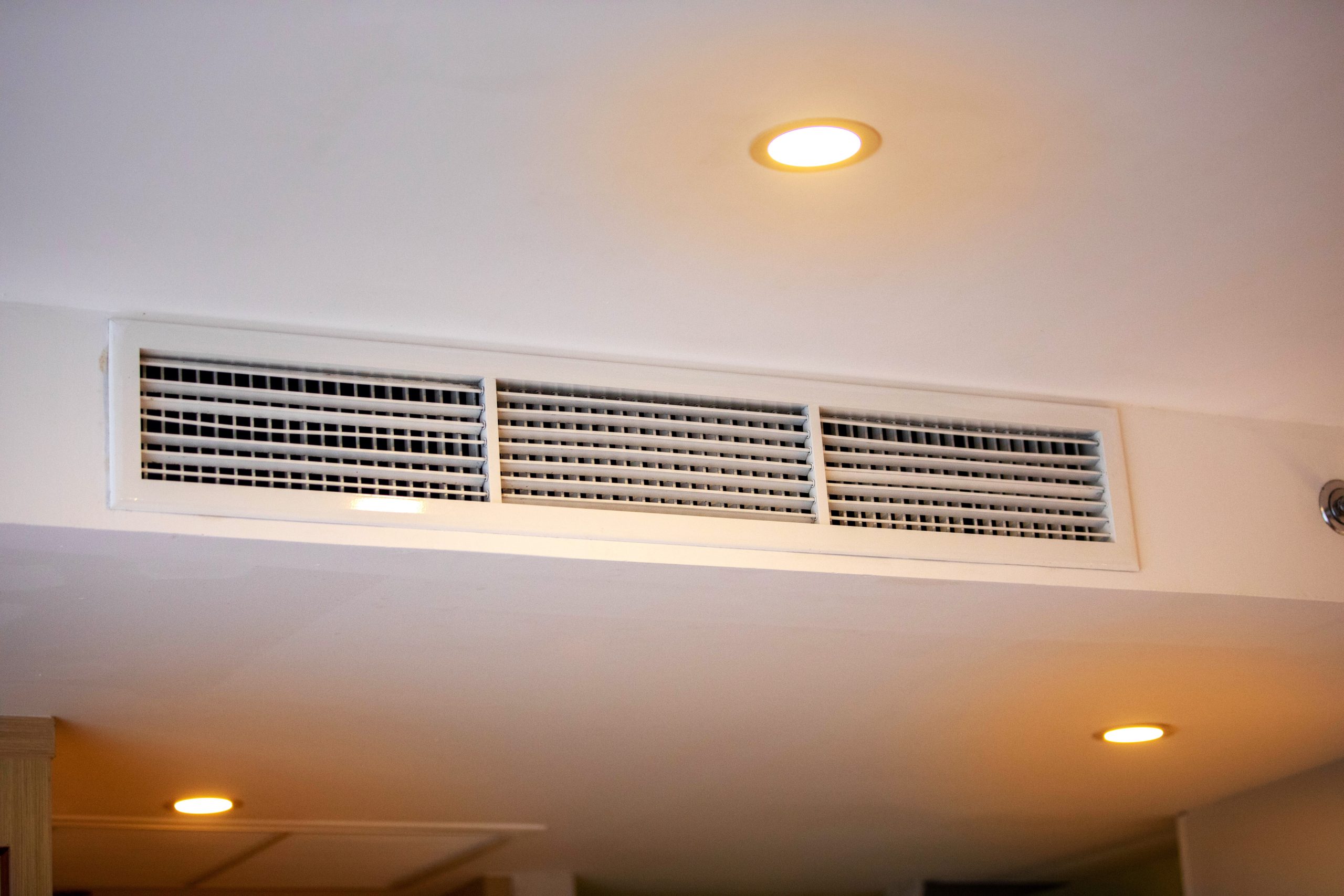
Some rooms in your home heat up quickly and comfortably. Others stay stubbornly cold regardless of how long the system runs or how high you set the thermostat. Uneven heating is one of the most common complaints we hear from owners of ducted heating system in Melton and Bacchus Marsh, and it’s almost never simply “how the system works.” Uneven heating has identifiable causes. In most cases, those causes are also fixable, but only once they’ve been correctly diagnosed.
This guide covers the full range of reasons a ducted system might heat some rooms well and leave others cold, starting with the simplest checks you can do yourself and working through to the faults that require a heating and cooling specialist Melton.
Start With the Basics
Before assuming a fault in the system itself, work through the obvious checks. These are the most common oversights and the easiest to fix:
- Check the vents in the cold rooms. Floor registers covered by rugs, furniture pushed up against wall vents, or ceiling outlets blocked by stored items are surprisingly frequent causes of rooms that won’t heat. Confirm each vent in the cold rooms is fully open and unobstructed.
- Check the zone controller. If your system has zone control, verify that the zones covering the cold rooms are switched on and set to the correct target temperature. A zone accidentally turned off or programmed to a much higher setpoint will receive little or no heated air regardless of how hard the furnace runs.
- Check the return air filter. A heavily clogged filter restricts airflow through the entire system. If you haven’t checked or cleaned the filter recently, do this before anything else.
If the basics check out and specific rooms are still consistently cold while others are warm, the causes below are the next place to look.
What Are The Most Common Causes of Uneven Ducted Heating?
1. Duct Leaks
Leaking ductwork is the single most common cause of rooms that won’t heat properly in homes across Melton and Bacchus Marsh. Heated air escapes from the duct into the ceiling cavity before it reaches the outlet vent in the room. The furnace is working and heat is being produced, but a meaningful proportion of that heat is lost before it gets where it needs to go.
- Rooms at the end of longer duct runs are most affected, because heated air that bleeds out along the run means progressively less reaches the final outlet.
- Flex duct material used in older homes can develop tears, disconnected joints at fittings, or crushing damage over time. The material degrades with age, particularly in roof cavities experiencing significant temperature swings.
- Ductwork disturbed by solar panel installation, roof access for other trades, or renovation work can develop leaks at joints that were intact at original installation.
- Even a relatively small percentage of air loss at a duct joint can have a significant impact on the outlet volume at the end of a long run.
Duct leaks are diagnosed by a technician inspecting the ductwork in the ceiling cavity and, in some cases, by using airflow measurement at each register to identify which rooms are receiving less than they should.
2. Blocked Return Air Filter
A heavily clogged return air filter reduces the total volume of air the system can move through the duct network. With reduced airflow, the rooms closest to the furnace and the thermostat sensor get the most heated air and reach temperature. Rooms at the end of longer duct runs may receive almost none.
- Unlike duct leaks, a blocked filter affects the whole system rather than specific rooms — but the most distant rooms feel it most acutely.
- Checking and cleaning the filter is the first and cheapest step in any uneven heating diagnosis.
- In Melton, where ongoing construction generates higher-than-average dust loads, filters may clog faster than homeowners expect. Monthly checks during heavy use periods are sensible.
3. Faulty or Stuck Zone Dampers
Zone dampers are motorised flaps inside the ductwork that open and close to direct heated air to specific zones according to the zone controller’s instructions. When a damper fails or sticks, the consequences for the affected zone can be significant:
- Damper stuck closed: The zone receives no heated air even when the zone controller shows it as active. The room stays cold because no air is physically flowing to it.
- Damper stuck open: The zone receives full airflow even when it should be shut off, which starves other active zones of the heated air they need. This can make the faulty zone excessively warm while others stay cold.
- Damper motors and actuators have a finite lifespan and do fail, particularly in older systems. This is a maintenance issue that can typically be resolved by replacing the faulty actuator.
4. Undersized System for the Current Floor Plan
If your home has been extended, opened up with a renovation, or had rooms converted since the original heating system was installed, the furnace may no longer have sufficient output to heat the entire floor plan adequately on the coldest days.
- An undersized system will warm the spaces closest to the furnace and the thermostat, cause the thermostat to sense the target temperature has been reached, and cut the heat cycle before remote rooms have received enough warm air.
- This pattern is most obvious on very cold days — the system may perform reasonably on mild winter days but struggle significantly when Melton or Bacchus Marsh temperatures drop to the low single digits overnight.
- No amount of servicing will compensate for a fundamental mismatch between the system’s output capacity and the home’s heating demand. The options are upgrading the furnace or adding supplementary heating in the rooms that are consistently cold.
5. Poor Duct Design or Imbalanced Airflow
Not all ducted heating systems were designed or installed optimally. Some have always had inherent imbalances — certain rooms have always been colder — not because of a fault that developed over time but because of how the duct system was laid out from the beginning.
- Poor duct sizing for a room’s volume, an insufficient number of outlet vents for a larger space, or a duct layout that doesn’t distribute airflow proportionally can create permanent imbalances.
- Homes where renovations added new duct branches without assessing and adjusting the rest of the network are particularly prone to this. Adding a new room to the system without checking that the furnace can support it often results in all rooms getting less.
- A duct balancing assessment measures actual airflow at each register and identifies which rooms are over- or under-supplied. Adjustments to damper positions or the addition of supplementary duct branches can correct significant imbalances.
6. Heat Loss From Poorly Insulated or Draughty Rooms
In some cases, the heating system is actually delivering adequate airflow to the room — the problem is that the room can’t retain the heat fast enough. Certain rooms lose heat far more rapidly than the ducted system can replace it.
- Rooms with large single-glazed windows lose heat through the glass surface at a high rate. Many older homes in Bacchus Marsh and established Melton suburbs still have single-glazed windows.
- Rooms above uninsulated or underinsulated ceiling cavities lose heat upward continuously. Ceiling insulation is one of the most effective passive thermal improvements available.
- Significant draught infiltration around doors, windows, or through floor gaps (particularly in older timber-framed homes) can make a room almost impossible to heat without addressing the building envelope first.
- Corner rooms and rooms with more external wall surface area lose heat at a higher rate by definition and may need a higher airflow allocation to reach the same temperature as internal rooms.
If a specific room consistently refuses to heat despite confirmed adequate airflow, the investigation should shift to the room’s thermal performance rather than the heating system itself.
7. Thermostat Placement Issues
The thermostat controls the heating system by measuring the air temperature at its location and deciding when the target temperature has been reached. If the thermostat is in a room or space that heats up faster than the rest of the home, it will cut the heating cycle before the colder rooms are comfortable.
- A thermostat installed in a small room close to the furnace that heats up quickly will trigger the system off while the living areas and bedrooms further away are still cold.
- A thermostat on a north-facing wall receiving direct winter sun can read artificially high temperatures and cut the heating prematurely on bright winter days.
- A thermostat near heat sources such as an oven, television, or frequently used appliance may respond to localised warmth rather than the true room temperature.
- Relocating the thermostat to a more representative central location, or upgrading to a smart thermostat with wireless remote sensors, can resolve this issue without any changes to the ductwork or furnace.
Getting the Right Diagnosis
The challenge with uneven heating is that multiple causes can overlap, and the wrong diagnosis leads to the wrong fix. A household that pays to have ductwork repaired when the real issue is a stuck zone damper won’t see improvement. Getting the right outcome starts with a thorough assessment from a technician who checks all the potential causes systematically before recommending a course of action.
A proper diagnosis covers duct condition including a ceiling cavity inspection, filter condition, zone damper operation and actuator function, furnace output relative to the floor plan, thermostat placement and operation, and airflow measurement at key registers. Skipping steps in that process means missing potential causes.
Conclusion
Uneven heating across your home doesn’t have to be something you put up with every winter. In almost every case, the cause is identifiable and the fix is achievable. Whether it’s a duct leak losing heat before it reaches the back bedroom, a stuck zone damper cutting off a whole section of the house, or a thermostat in the wrong location, these are real problems with real solutions.
New Image Heating and Cooling Bacchus Marsh carries out thorough ducted heating diagnostics. We inspect the duct network, test zone damper operation, check filter and furnace condition, and give you a clear report on what’s causing the problem and what it will take to fix it. No guesswork, no generic advice, just a proper assessment from technicians who know these systems and this area. Call us on 0468 125 098 or submit our online form to book. Same-day service is available for bookings made before noon.
Frequently Asked Questions
Why does my ducted heater warm the lounge but not the bedrooms?
This is most commonly caused by duct leaks in the runs serving the bedrooms, zone dampers stuck in the closed position, blocked or partially closed vents in the bedroom outlets, or a filter-related airflow reduction that disproportionately affects rooms at the end of longer duct runs. Start by checking vents, the return air filter, and zone controller settings. If those are all fine, call a technician for a duct inspection and damper assessment.
Can duct leaks really cause that much of a difference?
Yes — duct leaks are the single most common cause of rooms that won’t heat properly in the Melton and Bacchus Marsh area. Heated air escaping into the ceiling cavity before reaching the room outlet means less heat delivered to that room despite the system running fully. The further a room is from the furnace, the more impact those leaks accumulate along the duct run.
My house has always had uneven heating. Is that just normal for ducted systems?
No, and it shouldn’t be accepted as normal. Some variation across a large home is understandable, but consistently cold rooms are a sign that something isn’t right — either the system was undersized from installation, the duct design was inadequate, or duct issues have developed over time. A duct balancing assessment can quantify the imbalance and identify whether it’s fixable through adjustments to the existing system or whether supplementary changes are needed.
Will cleaning the filter fix uneven heating?
If the filter is heavily clogged and reducing the total airflow volume through the system, cleaning it will improve overall performance and can reduce the gap between well-heated and poorly-heated rooms. However, if the uneven heating is limited to specific rooms rather than a general system-wide reduction, a filter clean alone is unlikely to resolve it. Duct condition, zone damper operation, and thermostat placement will need to be assessed.
Is uneven heating more common in older homes?
Yes. Older homes in Melton and Bacchus Marsh are more likely to have aged flex ductwork that has developed leaks over time, original duct designs that weren’t generous enough to begin with, and no zone control. Homes built before 2000 that haven’t had their duct system inspected or replaced are more likely to have significant duct leakage and imbalance issues. Older duct insulation can also degrade, meaning heat is lost through the duct walls in addition to any leaks at joints.
How do I know if my ducted heating system is undersized for my home?
Signs of an undersized system include the home never reaching the target temperature on the coldest days even with the system running continuously, the thermostat cutting the heat before distant rooms are warm, and the problem being worse on very cold days than on mild winter days. If the system was installed before a home extension or renovation that increased the floor area significantly, undersizing is a likely factor. A technician can calculate your home’s heat load and compare it against the furnace’s rated output to confirm whether there’s a mismatch.



