
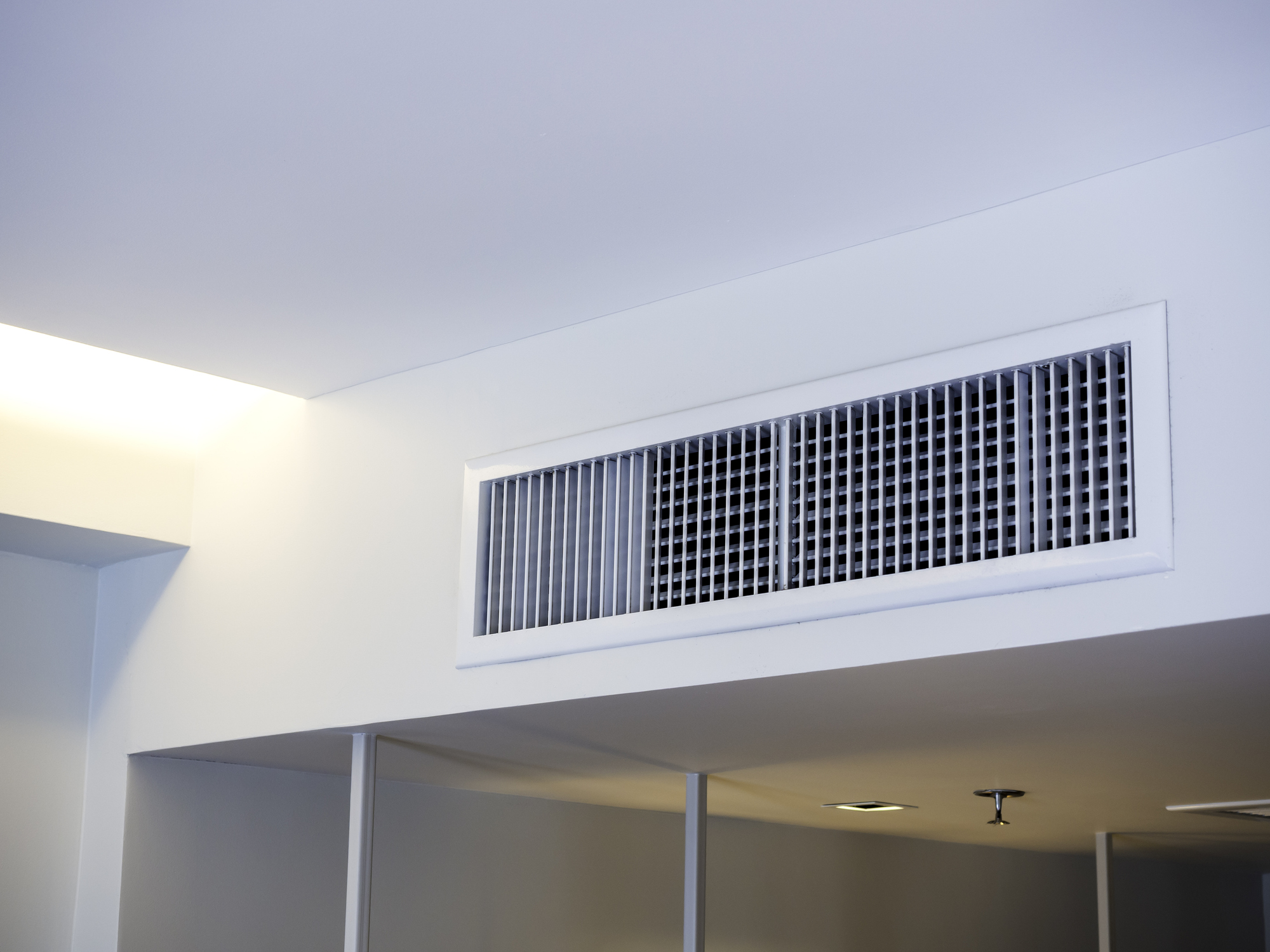
Your ducted heating system Melton is designed to make life comfortable, not to keep you guessing. A low, steady hum from the furnace, the rush of warm air through ceiling vents, the occasional click of a zone damper opening- these are the sounds of a system doing exactly what it should. What isn’t normal is anything new, anything louder than usual, or any sound you haven’t heard before. Strange or sudden noises from a ducted heating system are almost always a warning sign that something inside needs attention. The longer you wait, the more expensive the fix tends to get. This guide walks you through the most common unusual noises, what they typically mean, and what you should do next.
Banging or Thumping on Startup
A loud bang or dull thump the moment your ducted heater fires up is one of the most serious sounds a gas heating system can produce. In most cases, it means delayed ignition, and it should never be ignored.
What causes it
- Gas accumulation before ignition: Gas flows into the burner chamber before the ignitor fires it. A small amount of gas builds up, and when ignition finally occurs, everything ignites at once — causing the bang you hear.
- Dirty burner assembly: Carbon deposits and debris on the burner surface can prevent clean, immediate ignition, allowing gas to accumulate before the flame catches.
- Failing ignitor: An ignitor that’s weakening or wearing out may not fire on the first attempt, resulting in repeated delayed ignitions over time.
- Incorrect gas pressure or a partially blocked gas valve: Either condition can affect the timing and volume of gas entering the burner.
Delayed ignition isn’t just a noise problem. Every bang subjects the heat exchanger to a sudden thermal shock. Over time, this repeated stress can accelerate heat exchanger cracking — and a cracked heat exchanger is a serious safety issue that can allow carbon monoxide to enter the home. If your heater is starting with a bang, call a licensed gas technician promptly. Don’t keep running the system and hoping it improves.
Rattling
Rattling is the most common noise complaint from ducted heating owners across Melton and Bacchus Marsh, and the good news is that it’s often one of the simpler issues to diagnose. The challenge is that rattling can originate from several different places, and you need to track down the source before you can fix it.
Common sources of rattling
- Loose ceiling vent covers: Vent covers that have lost their retaining clips or screws will vibrate against the ceiling plasterboard when air passes through them. This tends to be louder during high-speed airflow and less noticeable on low fan settings. Re-securing the vent cover with appropriate screws or clips is an easy DIY fix — just make sure the system is off while you work on it.
- Loose panels on the furnace unit: The access panels and sheet metal casing on the furnace can work loose over years of thermal cycling — expanding when hot, contracting when cool. If you can safely access the furnace, check that all covers are firmly seated and that any retaining screws are tight.
- Unsecured ductwork in the roof cavity: Flexible duct sections that aren’t properly strapped or supported will vibrate when airflow passes through them. The rattling tends to travel through the ceiling, making it sound like it could be coming from multiple spots. A roof cavity inspection by a technician is the right next step.
- Debris inside the duct system: Leaves, roof insulation particles, small pieces of plasterboard, or other materials that have entered the duct through a leak, open vent, or at installation can rattle as warm air moves them. In Bacchus Marsh, where older homes may have partially open roof cavities, this is more common than you’d expect.
- Expansion noise in ductwork: A brief metallic tick or rattle when the system first starts, particularly after the heater has been off overnight, is often just the sound of ducts expanding as they warm up. This is normal and typically fades within a few minutes of operation. A rattle that persists throughout the entire heating cycle is not normal.
Grinding or Squealing From the Furnace
These sounds originate inside the blower motor assembly — the component responsible for pushing heated air through your ductwork and into every room of the house. Both noises point to mechanical wear, and both should be treated urgently.
What each sound means
- Grinding: This is the sound of metal-on-metal contact inside the blower motor. The bearings that allow the motor shaft to spin freely have worn through their lubrication and are now generating friction directly against the motor housing. Left running, a grinding motor will seize — and a seized motor means no airflow, a cold house, and a full motor replacement rather than the far cheaper option of bearing replacement or lubrication at the grinding stage. In winter, a seized blower motor in the middle of a cold snap is the worst possible outcome.
- Squealing: In older belt-drive furnaces — less common in modern systems but still found in a number of older homes in established Melton suburbs — a worn or misaligned drive belt will squeal, particularly on startup. The belt stretches over time and eventually frays. Belt replacement is a straightforward and inexpensive repair, but a broken belt means the blower motor runs without moving any air, which can lead to the furnace overheating.
- High-pitched whine during operation: A high-pitched whine that wasn’t present before can indicate that the motor is running harder than it should — often because the air filter is severely restricted and the motor is working against excessive static pressure. Check and replace your filter before calling a technician, as this alone sometimes resolves the noise.
The key message with grinding and squealing is speed. Catching a bearing issue at the grinding stage costs a fraction of what motor replacement costs. If you can hear grinding from your furnace, book a technician this week, not next month.
Clicking
Clicking from a ducted heating system is one of those noises where context matters enormously. Some clicking is completely normal; other clicking patterns are a direct indicator of an electrical fault.
Normal vs concerning clicks
- Normal — single click at startup and shutdown: This is the sound of electrical contactors engaging and disengaging as the system powers on and off. Every ducted heating system does this. One click on, one click off — entirely expected.
- Concerning — repeated clicking without startup: If the system is trying to start and you’re hearing rapid, repeated clicking without the heater actually firing up, this is a common symptom of a failed start capacitor. The capacitor provides the electrical kick the motor needs to get moving. A failing capacitor means the motor attempts to start, can’t, tries again, can’t — producing that distinctive repeated clicking sound. Capacitor replacement is one of the simpler electrical repairs, but every attempt the motor makes against a dead capacitor accelerates wear on the motor windings.
- Concerning — clicking during normal operation: Repeated clicking while the system is running can indicate a faulty contactor, an intermittent control board fault, or loose electrical connections. This needs a technician to diagnose properly rather than guessing.
Rumbling or Persistent Humming From the Furnace
A deep, low rumble from the furnace area during the heating cycle is a gas system fault until proven otherwise. Here’s what the noise is typically indicating and why it matters for Melton and Bacchus Marsh homeowners running gas ducted heating systems.
What’s likely happening
- Burner combustion noise: A dirty or partially blocked gas burner doesn’t burn cleanly. Instead of producing a clean, steady blue flame, it produces an irregular flame pattern that generates a rumbling or roaring sound. This is a licensed gas fitter issue — don’t attempt to inspect or clean burners yourself. A properly serviced burner runs quietly and efficiently.
- Blower wheel imbalance: The blower wheel inside the furnace can accumulate a coating of fine dust and debris over time. When this coating isn’t even across all blades, it creates an imbalance that produces a persistent hum or low vibration during operation. This is distinct from the grinding of failing bearings — it’s more of a low drone than a harsh mechanical sound. Blower wheel cleaning during an annual service resolves this.
- Early bearing wear: An increased hum that wasn’t present before can indicate bearings beginning to wear before they’ve progressed to the grinding stage. Catching this early is ideal — it may allow for lubrication or bearing service rather than full replacement.
Whistling or Loud Airflow From Ceiling Vents
A high-pitched whistle from one or more ceiling vents, or noticeably louder airflow than usual, is almost always a pressure issue rather than a mechanical one. The duct system is under more pressure than it’s designed to handle, and the air is forcing its way through gaps or restricted openings.
Common causes and fixes
- Too many zones closed simultaneously: Ducted systems in Melton and Bacchus Marsh homes are often zoned across multiple areas. If too many zones are closed at once, the system has nowhere to push the air — pressure builds up and forces air through partially open vents or through gaps around vent covers, producing a whistle. Try opening an additional zone and see if the noise reduces.
- Dirty or obstructed vent outlets: Vents that are partially blocked by furniture, curtains, or accumulated dust restrict airflow and increase pressure upstream. Make sure all vents have clear space around them and that the vent blades aren’t fully shut.
- Undersized ductwork for the system’s output: In some cases — particularly where a larger furnace has been installed as a replacement without a corresponding duct upgrade — the ductwork simply can’t handle the airflow the system produces. This produces consistent whistling or loud airflow across multiple vents and requires a duct assessment to address properly.
- A blocked or collapsed duct section: A section of flexible duct in the roof cavity that has been kinked, compressed by insulation batts, or partially collapsed will force air to travel around the obstruction under higher pressure. If you’ve noticed the noise is worse from a specific group of vents rather than throughout the house, this is worth investigating.
Banging or Popping in the Ductwork During Operation
A different kind of banging to the startup bang described above — this is a popping or banging sound that occurs during normal operation and comes from the ductwork rather than from the furnace itself.
What’s behind it
- Thermal expansion and contraction: Sheet metal ductwork expands when hot air flows through it and contracts when the system shuts off. This movement can produce a popping sound, particularly in duct runs with tight bends or inadequate expansion allowance. This is generally more of a nuisance than a structural concern, but it can indicate that duct supports or hangers have loosened over time.
- High static pressure flexing duct panels: Sheet metal duct panels can flex in and out under pressure if they’re not adequately braced. This produces a rhythmic popping or oil-canning sound and is more common in older duct installations. Reducing system pressure by opening more zones often reduces the sound.
Don’t Run a Noisy System
The pattern with almost every ducted heating noise is the same: the earlier you address it, the cheaper and simpler the repair. What starts as a grinding sound that a bearing service could fix becomes a seized motor. What starts as a bang that a burner clean could resolve becomes heat exchanger damage. What starts as a rattle from a loose duct strap becomes a collapsed duct section. Melton and Bacchus Marsh winters are serious enough that you don’t want to find out mid-July that what sounded like a small problem has become a system-down situation.
If your system is making a new noise, or an existing noise has gotten worse, the right move is to have it looked at now rather than waiting for the problem to declare itself through a breakdown.
New Image Heating and Cooling Melton diagnoses and repairs ducted heating noise issues. Our technicians will find the source of the problem and give you an honest assessment of what it takes to fix it. We don’t recommend unnecessary repairs, and we don’t ignore issues that need attention. If you book before noon, we offer guaranteed same-day service across our service area. Call 0468 125 098 or submit our online form to book a service. Let’s get your system running quietly again before the cold really sets in.
Frequently Asked Questions
Is a bang when my heater starts up dangerous?
Yes, it should be taken seriously. A bang at startup indicates delayed ignition — gas is accumulating in the burner before ignition occurs, and the accumulated gas then ignites all at once. While a single occurrence isn’t immediately catastrophic, repeated delayed ignitions cause thermal shock to the heat exchanger. Over time, this can crack the heat exchanger, creating a potential for carbon monoxide to enter your home’s airstream. It’s a licensed gas fitter issue that requires prompt attention — not something to monitor and hope improves.
Why does my ducted heater rattle when it first starts but settle down after a few minutes?
A brief rattle at startup — particularly on cold mornings after the system has been off overnight — is often just the sound of sheet metal ductwork expanding as warm air flows through it for the first time. Ducts contract when cold and expand when heated, and this movement can produce a tick or rattle that settles as the duct reaches operating temperature. If the rattle persists for more than a few minutes into the heating cycle, that’s when it’s worth investigating further for loose duct supports, loose vent covers, or debris in the system.
My heater is noisy but still heats the house. Do I really need to get it looked at?
Yes. A system that’s noisy but still producing heat is telling you that a component is under stress or beginning to fail. The fact that it’s still heating doesn’t mean the problem isn’t progressing — it means you haven’t yet reached the point where the component fails completely. A grinding motor will seize. A banging gas system will eventually cause heat exchanger damage. Addressing the problem at the noise stage is almost always significantly cheaper than addressing it after a breakdown. D
Can I fix a loose vent cover myself?
Generally yes. Loose ceiling vent covers can usually be re-secured with screws or push-fit clips available at hardware stores. Turn the system off before you work on the vent, and make sure any new fasteners are appropriate for the ceiling material — plasterboard anchors if needed. If the vent cover itself is damaged, cracked, or if the mounting point in the ceiling has deteriorated, a technician can replace it during a service call. It’s a minor issue but worth sorting, as a vibrating vent cover can produce a surprisingly loud rattle during high-speed airflow.
How urgent is it to address a grinding noise from the furnace?
Fairly urgent — within days rather than weeks. Grinding from the furnace indicates that the blower motor bearings are wearing. The motor is still running, but metal-on-metal friction is progressing. If you continue running the system without attention, the bearings will fail completely and the motor will seize. At that point, you’re looking at a full motor replacement rather than bearing service — a significantly more expensive outcome. Book a technician this week rather than putting it off.
What causes whistling from my heating vents, and is it something I can fix myself?
Whistling from ceiling vents is almost always caused by excess pressure in the duct system — too much air is being forced through too small an opening. The first thing to check is whether too many zones are closed simultaneously. Try opening an additional zone or two and see if the whistling reduces. Also check that vent blades aren’t fully shut and that vents aren’t obstructed by furniture or curtains. If the whistling persists across multiple vents regardless of zone settings, it may indicate undersized ductwork or a blocked duct run, which requires a technician’s inspection.



