Albion sits in Melbourne’s inner west, a suburb of established brick homes, units, and the occasional period weatherboard that presents its own set of challenges when it comes to installing air conditioning. Getting a split system Albion is one thing. Getting it installed in the right position is what determines whether it performs brilliantly for years or frustrates you every summer. Here’s everything Albion homeowners need to know before committing to a position.
Why Position Matters More Than Most People Realise
A split system that’s correctly positioned for the room will cool or heat more efficiently, run for shorter cycles, last longer, and cost less to operate. A poorly positioned unit works harder to deliver the same result, uses more electricity, and creates hot or cold spots that undermine the whole point of installing it in the first place.
In Albion’s older housing stock, where ceiling heights, wall configurations, and room layouts vary significantly from modern standards, getting this right often requires thinking carefully about each space rather than defaulting to whatever is easiest to install.
Positioning the Indoor Unit: The Core Rules
Height on the Wall
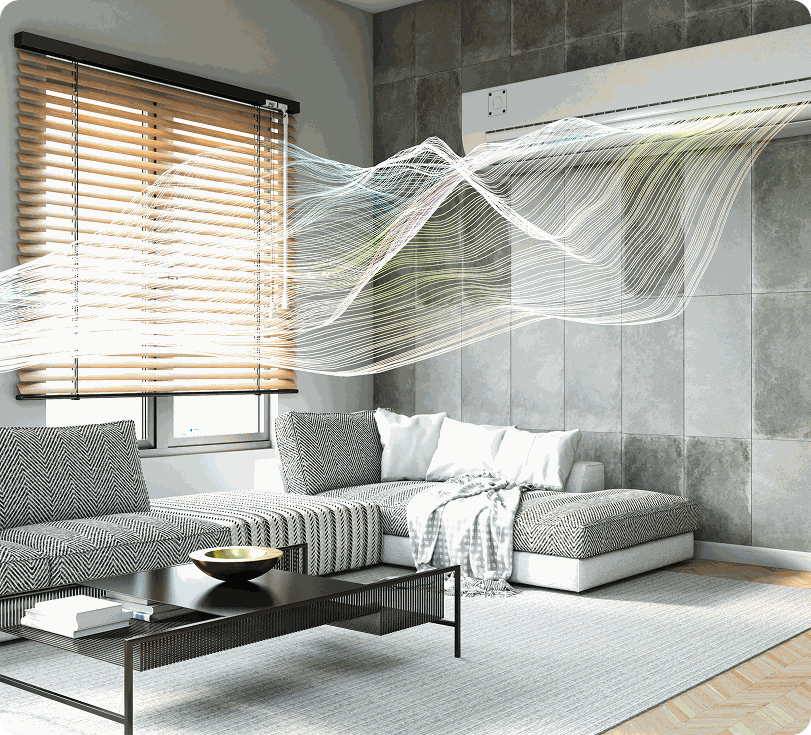
The indoor unit should be mounted high on the wall, typically 10 to 20 centimetres below the ceiling. Cool air is heavier than warm air and falls naturally from the unit. Warm air rises and is drawn back in from above. Mounting the unit high allows cool air to cascade down through the room rather than blowing directly at people at head height. In heating mode, warm air delivered high in the room rises and then falls as it cools, circulating naturally.
In Albion’s older homes with higher ceilings, there is typically more flexibility to position the unit well. In units and lower-set homes, the ceiling may limit your options. Always leave at least 15 centimetres of clear space above the unit for return air intake.
Choose an Internal Wall Where Possible
Mounting the indoor unit on an internal wall rather than an external wall keeps the refrigerant lines shorter and reduces the installation cost. It also means the indoor unit isn’t sitting on the same wall as the outside environment, which in summer can transfer heat through the wall surface and slightly reduce efficiency.
In Albion’s terrace-style homes and semi-detached properties, internal wall options may be limited. A qualified installer will assess which wall gives the best balance of line length, airflow direction, and structural access.
Direct Airflow Along the Longest Dimension
Position the unit so its airflow travels along the longest dimension of the room. In a rectangular living area, mount on the shorter wall so air flows the full length. This distributes conditioned air more evenly and reduces the number of dead spots where the temperature lags behind the rest of the room.
Avoid Direct Sunlight on the Unit
Don’t mount the indoor unit where direct sunlight from a nearby window will hit the unit or its temperature sensor. When the sensor reads a warmer localised temperature, it runs the system harder than necessary to compensate for a temperature that doesn’t represent the rest of the room. In Albion’s north and west-facing rooms, this is a real consideration, particularly for homes with large older windows without external shading.
Keep Clear of Heat Sources and Obstructions
Avoid positioning the indoor unit near televisions, computers, lamps, or kitchen appliances. These heat sources distort what the sensor reads and cause the system to overcool or overheat the room in response to a localised temperature reading. Similarly, avoid positions where furniture, shelves, or curtains will block the airflow path in front of the unit.
Positioning the Outdoor Unit in an Albion Property
Clearance Is Non-Negotiable
The outdoor condenser unit needs at least one metre of clear space on all sides for airflow. In Albion’s smaller block sizes and tighter side boundaries, this can be a challenge. Units installed too close to fences, walls, or vegetation operate less efficiently as they recirculate their own expelled hot air rather than dispersing it into the open air.
Shade Without Obstruction
An outdoor unit working in direct afternoon sun is less efficient than one in shade. Where possible, position the outdoor unit on the south or east side of the property to avoid peak afternoon sun exposure. If only western positioning is available, a pergola or fence that provides shade without restricting airflow can help.
Away From Bedrooms and Neighbouring Windows
Outdoor units generate noise during operation. Mounting directly outside a bedroom window creates sleep disruption. On Albion’s tighter lots, also consider your neighbours’ windows and outdoor living areas. A poorly positioned outdoor unit is a source of ongoing friction with neighbours, particularly in semi-detached properties.
Keep Refrigerant Lines Short
The shorter the refrigerant line run between indoor and outdoor units, the more efficient the system and the lower the installation cost. Position both units to minimise the line run wherever possible. Most residential installations work best within five to eight metres of line.
Room-by-Room Considerations for Albion Homes
Living and Open-Plan Areas
Albion’s brick homes often have generous living areas but with multiple openings to hallways, kitchens, and adjacent rooms. Position the unit to cover the main seating and dining area, and accept that open doorways will bleed some conditioned air into adjacent spaces. Keeping doors to unused rooms closed significantly improves how quickly and efficiently the main living area reaches the set temperature.
Bedrooms
For bedrooms, avoid positioning the indoor unit directly above the bed head, as the airflow blowing down onto sleeping occupants is uncomfortable and disruptive. Mount on the wall adjacent to or opposite the bed, positioned to circulate air across the room rather than directly onto the sleeping area. In smaller bedrooms, the unit mounted on the wall facing the bed (but not directly above it) with the louvres angled upward initially to allow the room to condition before adjusting to a more neutral angle is usually the most comfortable arrangement.
Period Homes and Unusual Ceiling Heights
Some Albion properties, particularly the older weatherboard and brick homes, have ceiling heights of 3 metres or more. These require careful consideration of unit placement because the greater air volume takes longer to condition. A unit positioned too low on the wall in a high-ceilinged room wastes much of its output heating or cooling air near the floor rather than the occupied zone of the room. In these cases, mounting as high as possible and using a ceiling fan in conjunction with the split system significantly improves distribution.
Get the Installation Right From the Start
New Image Heating & Cooling installs split systems West Melbourne. Before we put a single bracket on the wall, we assess the room, the property layout, and the outdoor access to recommend the position that will give you the best performance for the life of the system. A good installation takes more time upfront and delivers significantly better results over the following 10 to 15 years.
Call 0468 125 098 to book an on-site assessment. Book before noon for guaranteed same-day service.
Frequently Asked Questions
Can I install a split system myself in my Albion home?
No. Split system installation involves handling refrigerant, which legally requires an ARCtick licence in Australia. DIY installation also voids the manufacturer’s warranty. A licensed installer ensures correct positioning, safe refrigerant handling, and proper electrical connection.
How far can the outdoor unit be from the indoor unit in an Albion terrace?
Most residential split systems can run refrigerant lines up to 15 to 20 metres, though efficiency drops with longer runs. For typical Albion properties, keeping the line run under eight metres is ideal. Your installer will assess the specific property and quote accordingly.
Can I put the outdoor unit on the roof of my Albion home?
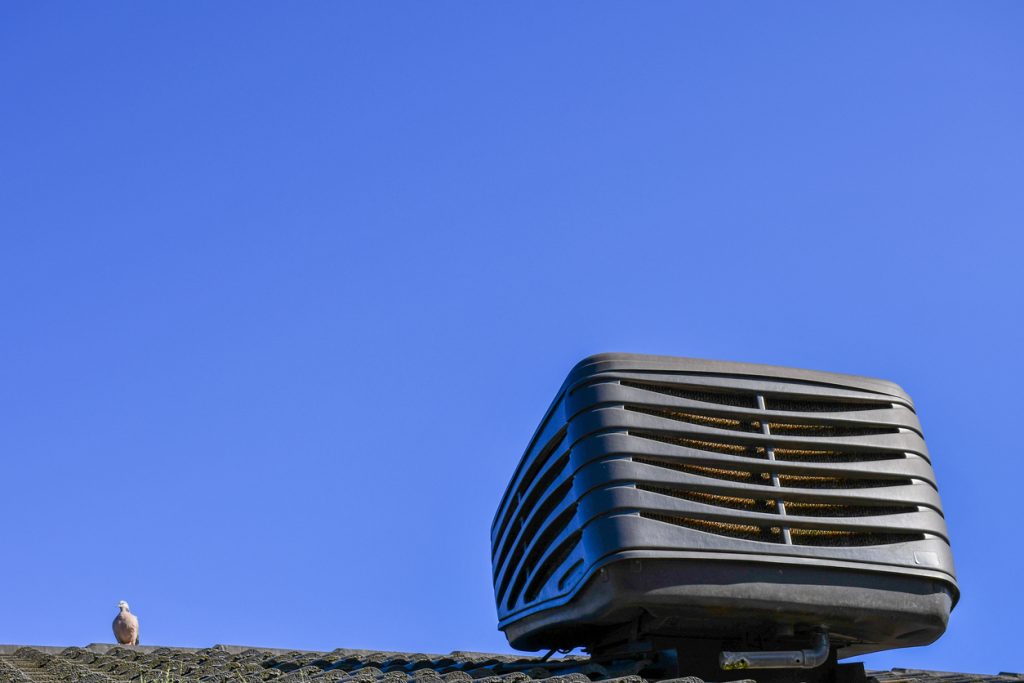
Roof mounting is technically possible but requires appropriate brackets, structural assessment, and consideration of roof access for future servicing. It is more common in units and townhouses where ground or wall space is limited. An installer can advise whether roof mounting is appropriate for your property.
How much does split system installation cost in Albion?
Installation costs vary based on the line run length, wall construction (brick vs. timber frame), storey height, and access difficulty. New Image Heating & Cooling provides upfront pricing before any work begins. Call 0468 125 098 for a quote.
My Albion home has high ceilings. Does that affect what size split system I need?
Yes. Higher ceilings mean more air volume to condition. A room with 3-metre ceilings requires more capacity than the same floor area with 2.4-metre ceilings. Always calculate required capacity based on room volume, not floor area alone, and factor in insulation levels and window exposure.