Cobblebank is one of Melton’s newest and fastest-growing residential communities, with a wave of new homes either under construction or recently completed. If you’re moving into a new home or choosing inclusions as part of a new build, the heating decisions you make now will affect your comfort and energy bills for the next decade or more. Here’s a practical guide to choosing the best heating system in Cobblebank, based on the local climate and typical homes in the area.
Why Cobblebank Winters Demand Proper Heating
Cobblebank sits in the Melton corridor, inland from Melbourne’s moderating coastal influence. Winter nights regularly drop below 5 degrees, with overnight frosts common from June through August. The outer western location means the suburb experiences a harsher temperature range than inner-Melbourne suburbs — colder winters and hotter summers. For new homeowners, whole-home heating that can keep a large modern floor plan genuinely warm through those cold mornings is not optional — it’s a practical necessity.
Heating Options Compared for Homes in Cobblebank
Ducted Reverse-Cycle Air Conditioning
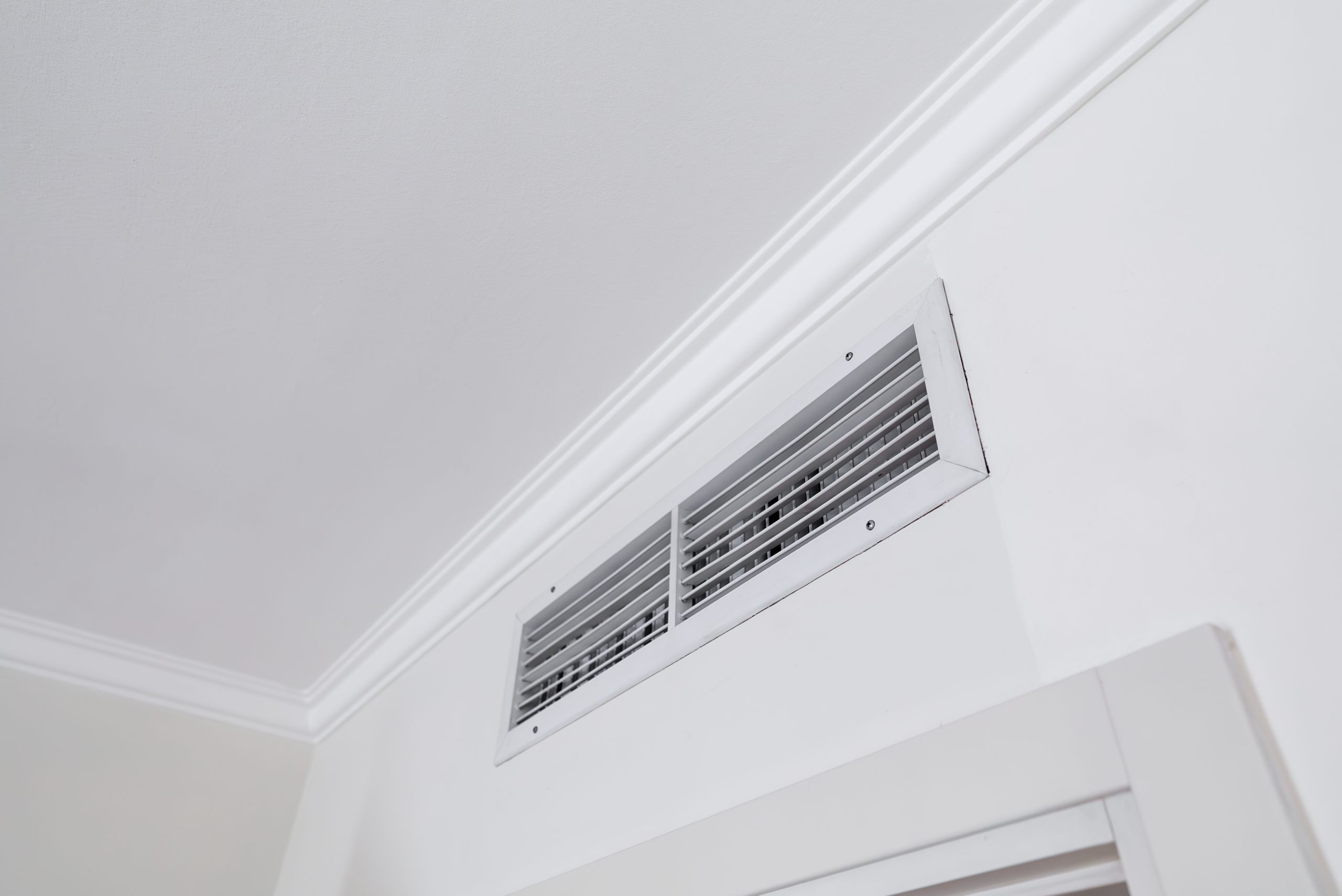
For new Cobblebank homes being built now, ducted reverse-cycle air conditioning installed during construction is the most comprehensive whole-home comfort solution available. A single system handles both heating in winter and cooling in summer, eliminating the need for two separate systems. The heat pump technology used in modern reverse-cycle systems is significantly more energy-efficient than direct gas combustion — delivering two to four units of heating for every unit of electricity consumed.
The timing advantage for new builds is significant. Installing ducted air conditioning during construction is dramatically more straightforward and cost-effective than retrofitting into a completed home. The indoor unit and ductwork can be positioned optimally before ceilings are closed, wiring can be routed cleanly, and builders often include ducted air conditioning as a cost-effective upgrade option during the selections process.
For larger Cobblebank homes with four or more bedrooms across two storeys, ducted reverse-cycle is almost always the strongest investment.
Ducted Gas Heating
Ducted gas heating remains common in Cobblebank new builds, particularly where builders include it as a standard inclusion or where the land is already connected to the natural gas network. Gas ducted heating delivers fast, powerful warmth and is effective in Cobblebank’s cold winters. The limitation is that it only heats — you’ll need a separate cooling system for summer, which typically means additional split systems in key rooms.
Running costs for gas heating depend on gas tariffs, which have increased significantly in recent years and are expected to continue rising as Australia’s gas market evolves. For new builds, the long-term running cost trajectory of gas versus electricity is worth factoring into your decision.
Split System Reverse-Cycle
For smaller Cobblebank homes or as supplementary heating in specific rooms, individual split systems are effective and cost-efficient to install. They can’t provide whole-home coverage from a single unit, but a well-planned combination — a larger split system covering the main open-plan living area, with individual systems in bedrooms — can work well for three-bedroom homes where ducted isn’t warranted by the scale of the floor plan.
In newer Cobblebank homes with good ceiling insulation and double-glazed windows (increasingly standard in newer builds), split systems can maintain comfortable temperatures even on cold mornings, particularly in rooms with adequate solar gain.
Evaporative Cooling Combined With Gas Heating
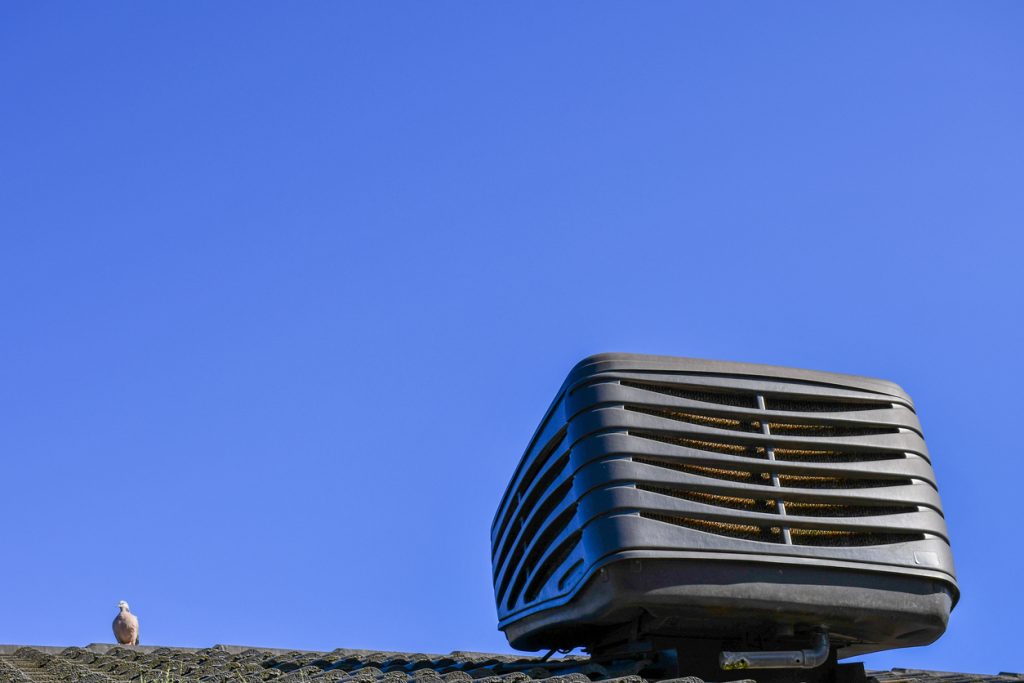
Some Cobblebank builders offer a combination of ducted evaporative cooling for summer and ducted gas heating for winter as a cost-effective dual-system approach. Evaporative cooling performs well in Cobblebank’s hot, dry summers and has significantly lower running costs than refrigerative cooling. Combined with gas heating for winter, this covers both seasons but requires two separate ducted systems sharing the duct network, which requires careful installation planning.
What to Consider When Choosing a Heating System for Your Home in Cobblebank
Home Size and Floor Plan
Larger Cobblebank homes with four or more bedrooms and open-plan living areas benefit most from ducted solutions. Smaller three-bedroom homes may be well-served by split systems in key rooms at a lower upfront cost.
Long-Term Occupancy Plans
If you’re planning to stay in the property long-term, the return on a quality ducted system with zoning is realised over many years of comfortable, efficient operation. If you’re building as an investment, the type of system included can affect rental appeal and sale value in Cobblebank’s growing market.
Builder Inclusions vs Aftermarket Installation
Builder-included systems are often competitively priced but may not always be the best-specified option for your specific home. A second opinion from an independent heating and cooling specialist in West Melbourne before signing off on your selections can be valuable, particularly for larger, more complex homes where system sizing has a significant impact on performance and running costs.
Conclusion
Choosing the right heating system is about finding an option that suits your home, budget and comfort needs. Taking the time to compare your options can help you choose a system that keeps your home comfortable throughout the year.
If you need help choosing or installing a heating system, New Image Heating & Cooling can help. Call 0468 125 098 or submit our online form to discuss your options or book an installation.
Frequently Asked Questions
Is ducted air conditioning worth the cost in a new home?
For most four or five-bedroom Cobblebank homes, yes. Installed during construction, ducted reverse-cycle air conditioning provides whole-home heating and cooling from a single system at a cost-per-room that typically compares favourably to installing multiple split systems. The long-term comfort and energy efficiency benefits are substantial in Cobblebank’s demanding climate.
Should I choose gas or electric heating for my new build?
This depends on your priorities. Modern reverse-cycle electric systems have higher energy efficiency ratings than gas furnaces. Gas delivers powerful, fast heat and has lower upfront running costs at current tariffs, but gas prices have risen significantly and may continue to. For a long-term owner, the full-lifecycle cost comparison is worth considering with a specialist.
Can I install ducted heating after my home is built?
Yes, but it’s more complex and expensive than during construction. The roof cavity needs adequate space and access, and duct routing through finished ceilings requires more invasive work. It’s entirely achievable — many existing Cobblebank homes have had systems retrofitted successfully — but the cost is higher and the installation process more disruptive than during the build phase.
What heating system is best for a smaller home?
For a three-bedroom single-storey Cobblebank home, two or three well-positioned split systems — one in the main living area, one in the master bedroom, and optionally one in additional bedrooms — can provide effective heating and cooling at a lower upfront cost than ducted installation.