
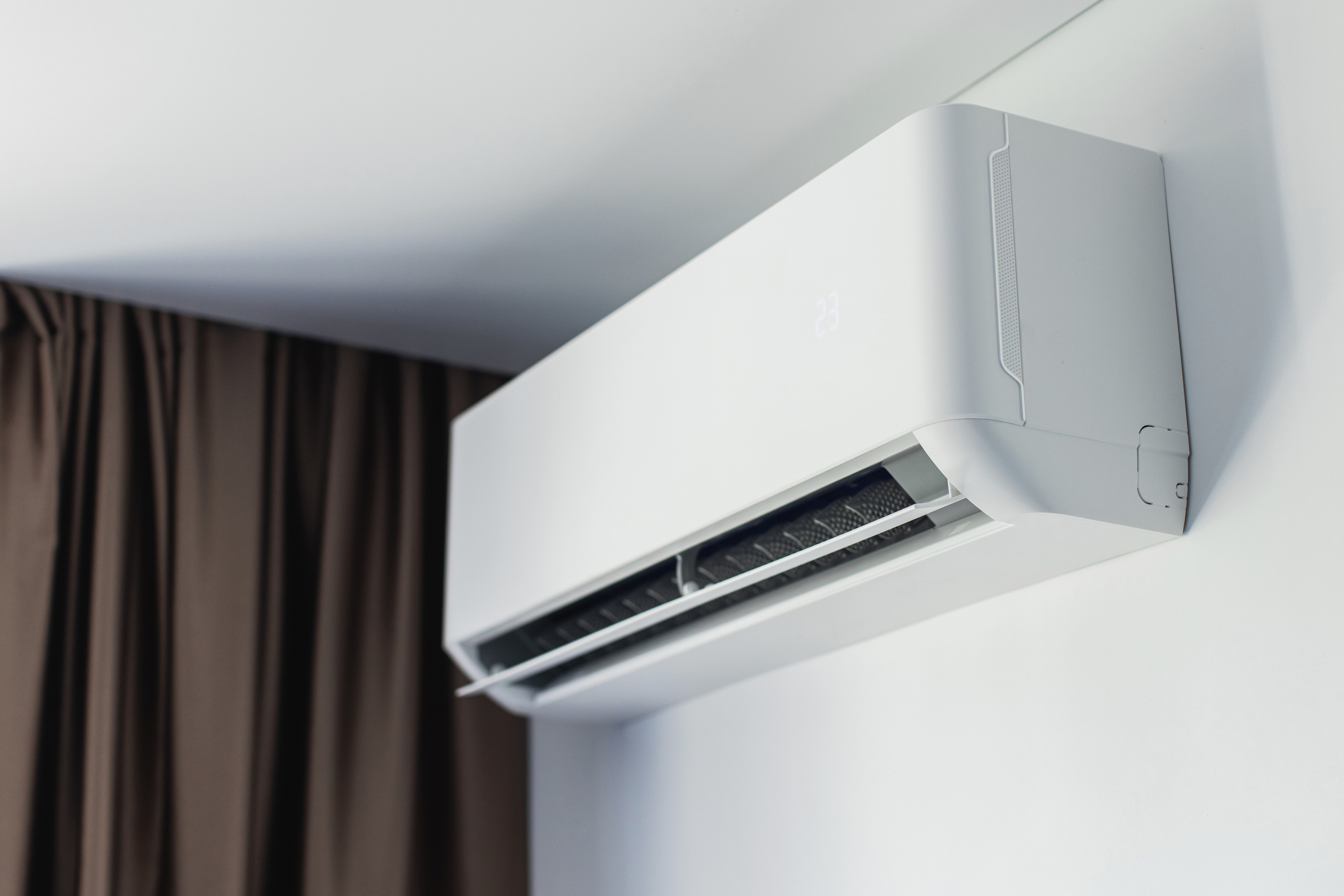
If your air conditioner in Melton is struggling to keep up on a hot day, it might not be on its last legs. In many cases, the culprit is something far simpler: low refrigerant. When refrigerant levels drop, your system loses the ability to cool effectively, and it starts working harder than it should. For homeowners in West Melbourne, where summer temperatures regularly climb into the high thirties, a system running low on refrigerant is not just uncomfortable, it can drive up your energy bills and shorten the life of your unit.
This guide covers everything you need to know about aircon regassing: what it is, how to spot the warning signs, and what steps to take if your system needs attention.
What Is Aircon Regassing?
Aircon regassing is the process of replenishing the refrigerant gas inside an air conditioning system. Refrigerant is the substance that absorbs heat from the air inside your home and releases it outside, which is how your system produces cool air. Without sufficient refrigerant, the cooling process breaks down.
It is worth understanding that a properly installed and well-maintained home air conditioner is a sealed system. Under normal conditions, refrigerant does not get “used up” the way fuel does. If levels are dropping, it almost always means there is a leak somewhere in the system. This is an important distinction — regassing without first finding and fixing the leak is a temporary fix at best.
What Are The Signs That Your Air Conditioner Needs a Regas?
Not sure whether your system is low on refrigerant? These are the most reliable signs to look out for.
Weak or Warm Airflow from the Vents
This is the most common complaint. If your system is running but the air coming out of the vents feels warm or only mildly cool, refrigerant levels may have dropped too low to support effective heat exchange. The compressor is working but the cooling output is significantly reduced.
Longer Cooling Times Than Usual
A well-functioning air conditioner should bring a room to your set temperature within a reasonable period. If your unit is running for much longer than it used to before the room feels comfortable, or if it never quite gets there, low refrigerant is a likely cause. The system is effectively running at reduced capacity.
Ice Build-Up on the Evaporator Coils
This one surprises a lot of people. You might expect low refrigerant to produce less cold — but it can actually cause ice to form on the indoor evaporator coils. When refrigerant pressure drops, the temperature in the coils falls too low, causing moisture in the air to freeze on contact. Ice build-up restricts airflow and reduces efficiency further, compounding the problem quickly.
Hissing or Bubbling Sounds
Unusual noises coming from your air conditioning unit should always be investigated. A hissing sound can indicate refrigerant escaping through a small crack or hole in the refrigerant line. Bubbling sounds may point to a larger leak where air is entering the system. Either way, these sounds warrant a professional inspection as soon as possible.
Higher Than Usual Energy Bills
When your system cannot cool efficiently, it compensates by running longer and working harder. This increased operating time translates directly into higher electricity consumption. If you have noticed your power bills climbing during cooling season without a change in your usage habits, a struggling air conditioner could be the reason.
Oily Residue or Staining Near the Unit
Refrigerant leaks often carry compressor oil with them. If you notice oily staining, residue, or discolouration on or near the indoor or outdoor unit, this can be a visible indicator of a refrigerant leak. It should be treated as an urgent sign that the system needs professional attention.
Do Home Air Conditioners Normally Need Regassing?
This is one of the most common questions homeowners ask. The short answer is no, not routinely. A residential air conditioning system that was correctly installed and has no leaks should retain its refrigerant charge indefinitely. Unlike a car air conditioner (which can lose refrigerant gradually through its rubber seals and hoses), a well-sealed home system should not need topping up year after year.
If your system needs frequent regassing, that is a signal that there is an unrepaired leak. A licensed technician should locate and fix the leak before any refrigerant is added, otherwise you will be paying to regas a system that will be low again within months.
How Often Might Regassing Be Needed?
Every system is different, but here is a general guide based on system type and age.
- Newer residential systems: Should rarely if ever need regassing unless there is a fault or damage to the refrigerant lines.
- Older residential units (10+ years): Seals and connections can degrade over time, making minor refrigerant loss more likely. A service check every few years is sensible.
- Commercial systems: Due to higher workloads, larger refrigerant volumes, and more complex pipework, commercial systems may need more frequent refrigerant checks — potentially every two to five years depending on usage.
The Correct Process for Aircon Regassing
Regassing an air conditioner is not a DIY job. In Australia, handling refrigerant is regulated under the Ozone Protection and Synthetic Greenhouse Gas Management Act 1989, and only licensed refrigeration and air conditioning technicians are legally permitted to purchase, handle, or recharge refrigerants. Attempting to do this yourself is illegal and potentially dangerous.
A qualified technician will follow this process.
Step 1: Inspect for Leaks First
Before any refrigerant is added, the technician should carry out a thorough leak detection check. This may involve pressure testing, UV dye, or electronic leak detection equipment. There is no point adding refrigerant until the source of the loss is identified and repaired.
Step 2: Confirm the Correct Refrigerant Type
Different systems use different refrigerants — common types include R-32, R-410A, and the older R-22 (which is being phased out in many countries). Using the wrong refrigerant type can damage the compressor and other components. Always check the unit’s data plate to confirm the correct specification before proceeding.
Step 3: Evacuate, Repair, and Recharge
The technician will evacuate any remaining refrigerant, carry out any necessary repairs to the refrigerant circuit, and then recharge the system to the manufacturer’s specified pressure. After recharging, the system should be tested to confirm it is operating correctly and there are no remaining leaks.
How to Reduce the Need for Regassing Through Regular Maintenance
The best way to avoid refrigerant issues is to keep your system well maintained. Here are the key habits that help.
- Annual professional servicing: A yearly service by a licensed heating and cooling specialist Melton includes checking refrigerant levels, inspecting coils and connections, and identifying any developing issues before they become costly problems.
- Regular filter cleaning: Clean your air filters every one to three months during periods of heavy use. Blocked filters force the system to work harder, which stresses components including the compressor.
- Keep the outdoor unit clear: Ensure the outdoor condenser unit has adequate clearance and is free from debris, leaf litter, and vegetation. Restricted airflow reduces efficiency and can lead to overheating.
- Check insulation on refrigerant lines: The insulation around the copper refrigerant pipes between the indoor and outdoor units should be intact. Damaged insulation can accelerate deterioration of the lines themselves.
- Monitor your energy bills: A sudden and unexplained rise in electricity costs during cooling season is a prompt to have your system checked sooner rather than later.
Frequently Asked Questions
How long does an aircon regas take?
A straightforward regas, once any leaks have been identified and repaired, typically takes one to two hours. If significant leak repairs or component replacement are required, the job may take longer. Your technician should be able to give you a time estimate after the initial inspection.
Will regassing fix my air conditioner if it is blowing warm air?
Only if low refrigerant is the confirmed cause. Warm airflow can also be caused by a dirty filter, a faulty compressor, incorrect thermostat settings, or blocked coils. A professional diagnosis is the right first step before any repair is carried out.
Conclusion
A refrigerant issue left unaddressed does not just make your home uncomfortable. It puts extra strain on your compressor, accelerates wear on other components, and drives up your running costs every day the problem continues. Catching it early is always the better outcome.
At New Image Heating and Cooling, we service homes across Melton, Bacchus Marsh, and the surrounding western suburbs. Our team of licensed technicians carries out proper leak detection before any regas, so you get a genuine fix, not just a temporary top-up. If your system is showing any of the signs above, give us a call on 0468 125 098 or get in touch via our online form for a free, no-obligation quote. We will have your system assessed and back to peak performance quickly.



