
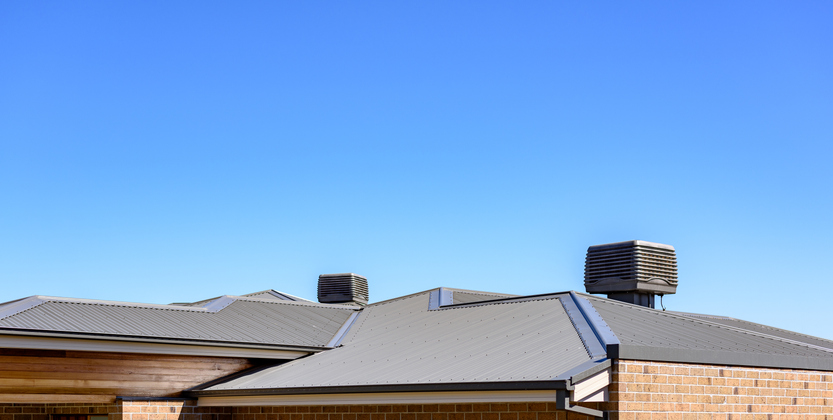
Most homeowners install an evaporative cooler Melton for one reason: to stay comfortable through the hot summer months. But there’s a benefit to these systems that often goes unnoticed, and it has nothing to do with temperature. Evaporative cooling is one of the most effective ways to actively improve the air quality inside your home.
Unlike refrigerated air conditioning, which recirculates the same indoor air over and over again, an evaporative cooler continuously draws in fresh air from outside, filters it, and distributes it throughout your home. That constant air exchange has real, measurable benefits for the health and comfort of everyone living under your roof.
This guide explains exactly how evaporative cooling improves indoor air quality, why it matters for Melton families, and what you can do to make sure your system is delivering the cleanest air possible.
The Air Quality Benefits of Evaporative Cooling Melton
There are several distinct ways that an evaporative cooling system improves the air inside your Melton home. Each benefit compounds the others, creating an indoor environment that is genuinely healthier to live in.
Continuous Supply of Fresh Outside Air
The most significant air quality advantage of evaporative cooling is the constant introduction of fresh outdoor air. Refrigerated systems cool and recirculate the air that is already inside your home. Over time, that recirculated air accumulates pollutants, carbon dioxide, cooking odours, pet dander, and other airborne particles with nowhere to go.
- Evaporative coolers draw 100% of their air supply from outside, meaning indoor air is never stagnant or recycled.
- As fresh air enters, it creates positive pressure that pushes stale, polluted indoor air out through open windows and doors.
- This continuous air exchange prevents the build-up of carbon dioxide, household chemicals, cooking fumes, and body odours that commonly accumulate in sealed, air-conditioned homes.
- For families spending long periods indoors during summer, this constant fresh air supply reduces fatigue and stuffiness, and supports better concentration and general wellbeing.
Natural Filtration of Airborne Particles
As warm outside air is drawn through the water-saturated cooling pads, those pads act as a natural filter, capturing airborne particles before they reach your living spaces.
- Dust, pollen, and other larger airborne particles are trapped in the damp cooling pads as air passes through them.
- This is particularly beneficial for Melton residents who suffer from seasonal allergies, as pollen counts during spring and early summer can be significant across Melbourne’s western suburbs.
- The filtration effect reduces the volume of particulate matter entering your home compared to simply opening a window, because the cooling pads intercept what raw unfiltered air would otherwise carry in.
- Regularly cleaning and replacing cooling pads ensures this filtration process remains effective throughout the season. Clogged or degraded pads lose their ability to capture particles and can begin harbouring contaminants themselves.
Reduced Allergens and Respiratory Irritants
For households with asthma sufferers, allergy-prone family members, or young children, indoor air quality is not just a comfort issue. It’s a health one. Evaporative cooling offers tangible benefits in this area.
- Because indoor air is constantly replaced rather than recirculated, allergens like pet hair, dust mites, and mould spores do not accumulate at the same rate as in sealed, refrigerated homes.
- The natural humidification produced by evaporative cooling helps maintain moisture levels in the air, reducing the dry, irritating conditions that can aggravate respiratory issues and dry out mucous membranes.
- Unlike refrigerated systems, evaporative coolers do not use refrigerants or chemicals in their cooling process, so there is no risk of chemical off-gassing affecting indoor air quality.
- Families with asthma should note that evaporative cooling works best on dry days. On high-humidity or high-pollen days, it is advisable to keep the system on fan-only mode and close up the home to avoid drawing in outdoor irritants.
Elimination of Odours and Stale Air
One of the most immediately noticeable improvements that evaporative cooling delivers is the elimination of household odours and the stuffy, stale feeling that sealed homes develop during summer.
- Cooking smells, pet odours, cleaning product fumes, and the general mustiness of a closed-up home are continuously flushed out as fresh air moves through the space.
- Because the system requires windows and doors to be left ajar, there is a natural through-breeze effect that carries odours and stale air out of the home rather than trapping them inside.
- This is in direct contrast to refrigerated systems, which must keep a home sealed to operate efficiently. In a tightly sealed refrigerated home, odours can linger for hours.
- Many Melton homeowners report that their home simply smells fresher and feels more comfortable during summer with an evaporative system running, compared to the artificial, recycled-air feeling of refrigerated cooling.
Natural Humidification in Dry Conditions
Melton and the broader western suburbs of Melbourne experience hot, dry summers. While refrigerated air conditioning strips moisture from the air and can leave indoor environments feeling uncomfortably arid, evaporative cooling adds gentle, natural humidity as part of its cooling process.
- Slightly humidified air is easier to breathe, particularly for people with dry airways, sensitive skin, or respiratory conditions.
- Dry indoor air can worsen symptoms of asthma, sinusitis, and dry eyes. The mild humidity produced by an evaporative cooler helps counteract this, keeping mucous membranes moist and reducing irritation.
- This natural humidification also benefits wooden furniture and flooring, which can crack or warp in excessively dry conditions.
- It’s worth noting that this benefit is most effective in dry weather conditions. On days when outdoor humidity is already high, the additional moisture introduced by the system may become uncomfortable, so it is important to monitor outdoor conditions and adjust usage accordingly.
Increased Oxygen Levels and Improved Ventilation
In a sealed, refrigerated home, carbon dioxide levels gradually rise as occupants breathe and the same air is recirculated. This can lead to feelings of drowsiness, reduced concentration, and general stuffiness. Evaporative cooling actively addresses this by maintaining high-quality ventilation throughout the home.
- Fresh outdoor air contains natural levels of oxygen. By continuously introducing this air into your home, an evaporative cooler helps maintain healthy oxygen levels indoors.
- Better ventilation means carbon dioxide does not build up to uncomfortable or unhealthy levels, even in a home full of people during a summer gathering.
- Improved oxygen levels and air freshness can support better sleep quality, particularly when the system is left running overnight during heatwaves.
- This is one of the reasons why many families describe sleeping better with an evaporative cooler running compared to a sealed refrigerated system, even when the temperature in both scenarios is similar.
Maintaining Your Evaporative Cooler Melton for Optimal Air Quality
The air quality benefits of evaporative cooling are directly dependent on how well the system is maintained. A neglected evaporative cooler can become a source of problems rather than a solution, so regular servicing is essential.
Clean or Replace Cooling Pads Annually
Cooling pads are the primary filtration component of your evaporative system. Over a season of use, they accumulate dust, mineral deposits from the water supply, and potentially mould or algae if water management is poor.
- Pads should be inspected at the start and end of each cooling season.
- Dirty or degraded pads reduce airflow, reduce filtration effectiveness, and can introduce musty or contaminated air into your home.
- Most quality pads should be replaced every one to three years depending on usage and water quality in your area. Melton’s water supply can leave mineral deposits on pads, so annual inspection is recommended.
- A technician can assess whether pads need cleaning, treatment, or full replacement during a seasonal service visit.
Flush and Clean the Water Tank Regularly
Stagnant water in the tank or distribution system can become a breeding ground for bacteria, algae, and other microorganisms. If contaminated water circulates through the pads, those contaminants can be introduced into your home’s air.
- At the start of each cooling season, flush and clean the tank thoroughly before filling it with fresh water.
- During the season, your system should automatically bleed and refresh water to prevent salt and mineral build-up. If your system does not do this automatically, do it manually every few weeks.
- At the end of the season, drain the tank completely before winterising the unit. Never leave standing water in the system over winter.
- If you notice any musty or stale odour coming from your vents while the cooler is running, this is often a sign of contaminated water or dirty pads and should be addressed immediately.
Service the Unit Before Each Summer Season
An annual professional service is the single most effective thing you can do to ensure your evaporative cooler delivers clean, healthy air throughout summer.
- A qualified technician will inspect cooling pads, clean the tank, check the pump and water distribution system, assess duct condition, test airflow, and confirm the unit is operating at full efficiency.
- Any mould, mineral build-up, or deteriorating components can be identified and addressed before they affect air quality or system performance.
- In Melton’s climate, the best time to book a service is in early spring, before the first hot days arrive and before technicians’ schedules fill up.
- Regular professional servicing also extends the life of the unit, protecting your investment while keeping indoor air quality at its best.
Know When to Close Up the System
There are specific conditions under which running your evaporative cooler can negatively affect indoor air quality, and knowing when to switch it off or change its mode is important.
- On days with high outdoor pollen counts, allergy sufferers may prefer to close up the home and use a fan or refrigerated system instead to avoid drawing pollen through the cooling pads.
- During bushfire events or smoke haze, evaporative coolers should not be used. Because they draw in outside air, they will pull smoke directly into your home, which poses a genuine health risk. Sustainability Victoria explicitly advises against using evaporative coolers when it is smoky outside.
- On very high-humidity days, the cooling effect is reduced and the additional moisture introduced into the home can make conditions feel worse rather than better. Switch to fan-only mode or consider a refrigerated backup on those days.
- Always check the Bureau of Meteorology forecast before running your system, particularly during days where smoke, high pollen, or elevated humidity is forecast.
Evaporative Cooling vs Refrigerated Cooling: The Air Quality Comparison
It’s worth directly comparing the two most common home cooling options when it comes to indoor air quality, because the differences are significant.
| Factor | Evaporative Cooling | Refrigerated Air Conditioning |
|---|---|---|
| Air source | 100% fresh outside air | Recirculated indoor air |
| Air exchange rate | Full home air replaced every 1-3 minutes | No air exchange; sealed system |
| Filtration | Natural filtration through wet cooling pads | Filter catches recirculated particles only |
| Humidity | Adds gentle, natural humidity | Removes moisture; can dry out indoor air |
| Odour removal | Continuously flushes odours out | Odours recirculate until filter captures them |
| Chemicals / refrigerants | None used in cooling process | Refrigerants required |
| Carbon dioxide build-up | Prevented by continuous fresh air supply | Can accumulate in sealed homes |
| Smoke / bushfire days | Must be turned off | Can be run safely with windows closed |
For Melton’s predominantly dry summer climate, evaporative cooling comes out well ahead on nearly every air quality measure. The one exception is on smoke haze or very high humidity days, where a refrigerated system is the better choice. Many Melton households run both systems for this reason, using evaporative cooling as the primary solution and refrigerated as a backup for challenging weather days.
Frequently Asked Questions
Is evaporative cooling good for asthma sufferers?
In most conditions, yes. The continuous fresh air supply, natural humidification, and reduction of recirculated allergens make evaporative cooling a generally better choice for asthma sufferers compared to sealed refrigerated systems. However, on high-pollen days or when outdoor air quality is poor, it is advisable to switch to fan-only mode or close the system down, as the cooler will draw outdoor allergens or irritants inside.
How often should I service my evaporative cooler to maintain air quality?
A professional service once per year, ideally in early spring before the cooling season begins, is the minimum recommended for maintaining good air quality. This should include pad inspection or replacement, tank cleaning, pump and water distribution checks, and airflow testing. If you notice musty smells or reduced cooling performance during the season, book an interim service rather than waiting until the following year.
Does evaporative cooling make the air too humid inside?
In Melton’s dry summer climate, the gentle humidity produced by an evaporative cooler is typically comfortable and beneficial rather than excessive. On extremely hot, dry days, the moisture added to the air can actually make conditions feel more pleasant and reduce the irritating dryness that refrigerated systems can create. On days where outdoor humidity is already high, the system is less effective and the additional moisture may become uncomfortable. In those conditions, it is better to switch to fan-only mode.
Conclusion
A well-maintained evaporative cooling system Melton does far more than keep your home cool. It continuously refreshes the air your family breathes, filters out dust and pollen, eliminates odours, and maintains comfortable humidity levels throughout the hottest months of the year. For households, where dry summer heat is the norm, evaporative cooling is one of the best investments you can make for both comfort and indoor health.
The key is keeping your system in top condition. Clean pads, a well-maintained water system, and an annual professional service are what separate a system that genuinely improves your air quality from one that quietly degrades it.
At New Image Heating and Cooling Melton, we specialise in evaporative cooling servicing, repairs, and installations. Whether you’re due for your annual service, noticing reduced performance, or thinking about installing a new system, our team is ready to help. Call us on 0468 125 098 or get in touch via our online form today for a free quote. Your family deserves the freshest air possible this summer.



