
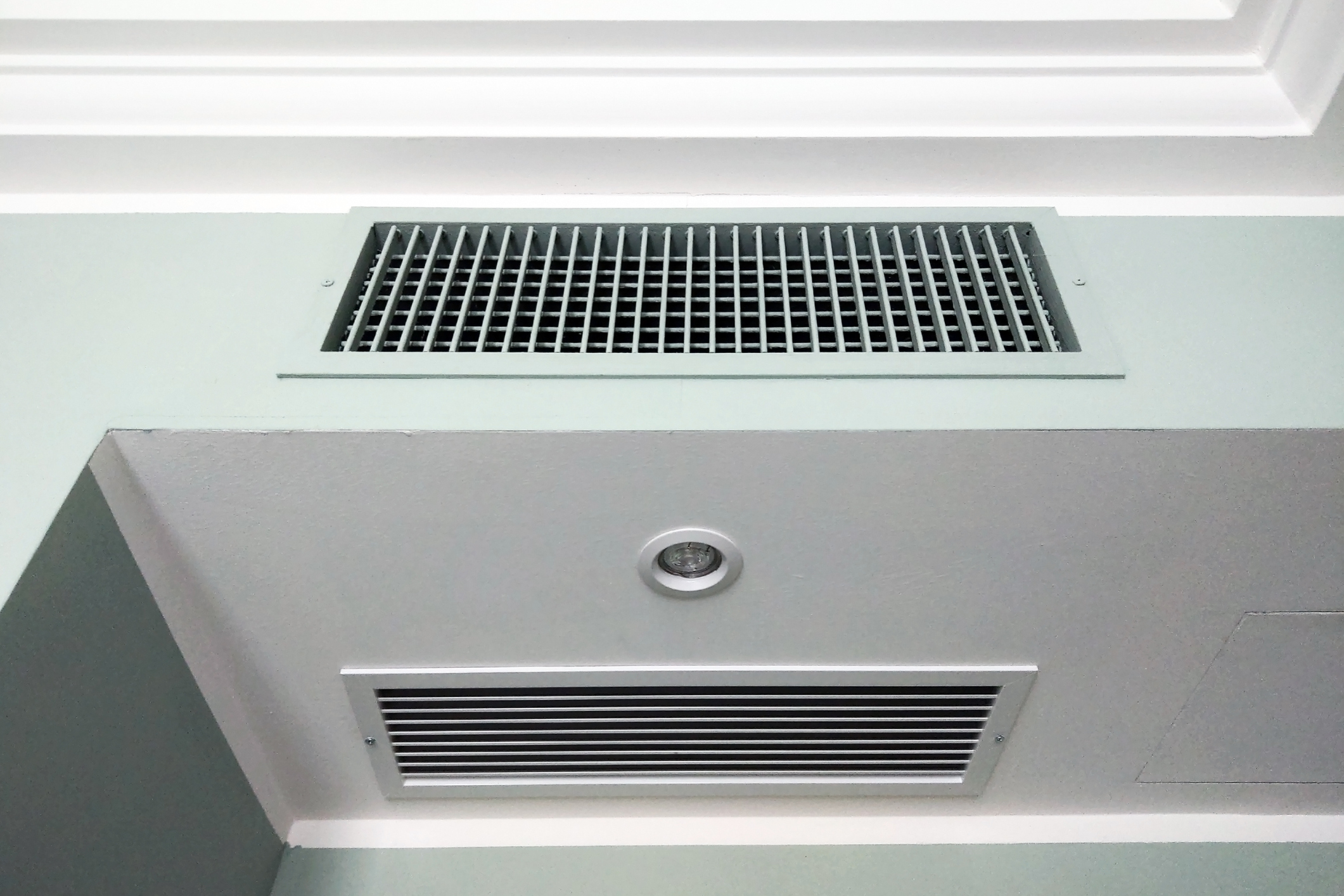
Ducted gas heating system in Melton is one of the most popular whole-home heating solutions, and for good reason. It delivers consistent, powerful warmth across multiple rooms through a network of ducts, is relatively economical to run compared to electric alternatives, and operates quietly and effectively even on the coldest winter mornings. But before you commit, one of the most common questions homeowners ask is: what is it actually going to cost?
The answer depends on several factors that vary from home to home. This guide breaks down the full cost picture — supply, installation, and ongoing considerations — so you can make a well-informed decision before getting quotes. We cover the variables that affect price, what is included in a typical installation, and what to watch out for when comparing quotes from different providers.
What Is Ducted Gas Heating?
Ducted gas heating uses a central gas furnace — typically located in the roof space or under the floor — to heat air, which is then distributed throughout the home via a network of insulated ducts and outlet registers in each room. A central thermostat or zone controller lets you manage the temperature across the home or in specific zones. The system draws in return air, heats it, and circulates it continuously until the desired temperature is reached.
In Victoria, ducted gas heating systems must be installed by a licensed gas fitter. The installation involves connecting to the home’s natural gas supply, running ductwork through the roof space or sub-floor, and positioning outlet registers in the ceiling or floor of each room. Because it is a major building services installation, it typically takes one to two days to complete for a standard home.
Cost Range for Ducted Gas Heating Installation
Ducted gas heating installation in the Melton and Bacchus Marsh area typically falls within the following price ranges for a standard residential installation. These figures represent the combined cost of equipment supply and labour for a complete, ready-to-use system.
Small Homes (2-3 Bedrooms)
For a smaller home with a floor area of approximately 120 to 180 square metres, a ducted gas heating system covering the main living areas and bedrooms is typically the most common configuration. The unit size required is generally in the 3-star to 5-star efficiency range with an output of around 15kW to 25kW.
- Supply and installation costs for a small home typically range from approximately $3,500 to $6,000, depending on the brand of furnace selected and the complexity of the duct run.
- A simple, single-zone installation with a straightforward duct layout at the lower end of this range is achievable in homes with accessible roof space and an existing gas connection nearby.
- Adding a second zone with separate temperature control increases the cost but provides much greater energy efficiency by allowing unused areas to be isolated.
Medium Homes (3-4 Bedrooms)
A medium-sized home of 180 to 280 square metres is the most common installation type in Melton and Bacchus Marsh, where newer estates feature four-bedroom homes with open-plan living areas. These homes typically require a furnace output of 25kW to 35kW to maintain comfortable temperatures throughout the colder months.
- Supply and installation for a medium home generally falls between $5,000 and $9,000 for a quality system with multi-zone capability.
- A two-zone system — typically living areas and bedrooms as separate zones — adds $500 to $1,500 to the base cost but significantly reduces running costs over the life of the system.
- Homes with complex roof structures, vaulted ceilings, or limited sub-floor access will sit at the higher end of the range due to increased labour time for duct installation.
- Premium or higher star-rated furnace models cost more upfront but deliver measurable savings on gas bills over time — a factor worth discussing with your heating and cooling specialist Melton when weighing options.
Large Homes (5+ Bedrooms or Over 280sqm)
Larger homes with extensive floor areas, multiple living zones, or double-storey layouts require a higher-capacity system and substantially more ductwork to deliver consistent heat throughout the entire home.
- Total costs for large homes typically range from $8,000 to $15,000 or above, depending on the number of zones, the complexity of the duct layout, and the furnace capacity required.
- Multi-zone systems with programmable zone controllers and individual room controls are often recommended for large homes to maximise efficiency and comfort.
- Double-storey homes require careful duct design to ensure even heat distribution between floors, which adds complexity and cost to the installation.
What Affects the Cost of Ducted Gas Heating Installation?
Two homes of similar size can have quite different installation costs. Understanding the key variables that affect pricing helps you understand quotes you receive and make informed comparisons between contractors.
The Size and Star Rating of the Furnace
The furnace is the most significant component cost in a ducted gas heating installation. It must be correctly sized for your home — too small and it will struggle to maintain temperature on cold days; too large and it will short-cycle inefficiently and wear out components faster.
- A properly sized load calculation takes into account the home’s floor area, ceiling height, insulation levels, window areas, orientation, and climate zone — not just a rough square metreage estimate.
- Higher star-rated (more energy-efficient) furnaces carry a higher purchase price but lower ongoing running costs. In Victoria’s gas pricing environment, this trade-off is usually worthwhile over a 15-year system life.
- Leading brands in the Australian market include Braemar, Brivis, Evoheat, and Rinnai — all manufacture quality units with broad parts and service support networks.
Duct Layout Complexity and Length
The ductwork is the second major cost variable. Every metre of duct, every bend, every register, and every zone damper adds to the materials and labour involved in the installation.
- Homes with easy-access roof space — good standing room, no complicated truss structures — take less time to duct than homes with low-pitched or complex roof structures.
- Sub-floor ducting is an alternative in homes with a sufficient sub-floor cavity, though it is less common in newer Melton and Bacchus Marsh builds that sit on concrete slabs.
- The number of outlet registers — the grilles in each room — directly affects material costs. A six-outlet system will cost more than a four-outlet system for the same furnace.
- Duct insulation quality matters for energy efficiency. Ducts running through an unconditioned roof space lose heat rapidly if the insulation is thin or poorly fitted.
Gas Connection and Meter Upgrade
If your home does not already have a natural gas connection, or if the existing gas supply is not sufficient to handle the additional load of a central heating furnace, this adds to the overall project cost.
- Connecting to natural gas from the street in an area where mains gas is available involves a connection fee from the gas distribution network provider, which in Victoria is typically managed through Australian Gas Networks or Multinet Gas.
- If a gas meter upgrade or a new meter installation is needed, this is arranged through the retailer and may take additional time to coordinate, potentially affecting the installation timeline.
- Homes that already run gas hot water or a gas cooktop will generally have an adequate existing supply for a standard ducted heating furnace, though the technician will verify flow rates before installation.
- In areas of Bacchus Marsh where mains gas is not available, LPG can be used as an alternative fuel source, though LPG running costs are typically higher than natural gas on a per-megajoule basis.
Zoning and Control Systems
Zoning allows you to heat different areas of your home independently, which reduces gas consumption by not heating unoccupied rooms. The cost and complexity of the zone control system varies significantly depending on the level of automation you want.
- A basic single-zone system with one central thermostat is the least expensive option but provides no ability to independently control different areas of the home.
- A two-zone or three-zone system with motorised zone dampers and a zone controller allows you to heat living areas and bedrooms independently — the most practical and popular setup for Melton and Bacchus Marsh family homes.
- Advanced zone controllers with Wi-Fi connectivity and smartphone app control allow precise scheduling and remote management, adding convenience and further efficiency gains.
- Each additional zone typically adds $400 to $900 to the installation cost, depending on the number of dampers required and the controller type.
Removal of an Existing System
If you are replacing an older ducted heating system rather than installing fresh, the removal of the existing unit, ductwork, and associated fittings needs to be factored into the quote.
- Removal and disposal of an old furnace and duct system adds $300 to $800 to the project cost depending on the size of the existing system and access conditions.
- In some cases, the existing ductwork can be reused if it is in good condition and the new furnace’s output and duct sizing are compatible — this can save meaningful money on materials.
- Older ductwork that is damaged, undersized, or poorly insulated is usually better replaced than reused, as its condition will limit the performance of the new system.
What Is Included in a Standard Installation Quote?
When you receive a quote from a licensed heating and cooling company, make sure you understand what is and is not included. A comprehensive quote for ducted gas heating should cover all of the following.
What Should Be Included
A complete, professionally installed ducted gas heating system includes more than just the furnace unit. Confirming what is in scope before work begins avoids surprises at invoice time.
- Supply and installation of the gas furnace, including all gas connections by a licensed gas fitter.
- Supply and installation of all ductwork, including insulated flexible duct, plenums, and reducers sized to the system’s airflow requirements.
- Installation of ceiling or floor outlet registers in each room included in the system scope.
- Installation of the return air grille and filter housing, typically centrally located in the home.
- Wall thermostat and zone controller installation and programming.
- Testing, commissioning, and a full system run-through with the homeowner to confirm everything is operating correctly.
- Certificates of compliance for gas work as required under Victorian regulations.
Frequently Asked Questions
How long does ducted gas heating installation take?
A standard installation on a medium-sized home typically takes one full day. Larger homes with complex duct layouts or multi-zone configurations may take two days. Your technician should give you a clear timeline before starting, and most installations are fully operational by the end of the installation day.
Is ducted gas heating cheaper to run than electric heating?
In most Victorian households, natural gas is significantly cheaper per megajoule than electricity, making ducted gas heating more economical to run than electric ducted systems or electric panel heaters for whole-home heating. The running cost advantage is most pronounced during the extended winter heating season that Melton and Bacchus Marsh experience, where a well-sized and zoned gas system provides substantial savings over electric alternatives.
Do I need a permit to install ducted gas heating in Victoria?
Yes. In Victoria, all gas appliance installations require a Certificate of Compliance issued by the licensed gas fitter who performs the work. This certificate confirms the installation meets the requirements of the Gas Safety Act and AS/NZS 5601 (Gas Installations standard). A reputable installer handles all compliance documentation as part of the job — you should never accept a gas installation without receiving this certificate.
Can I get government rebates on ducted gas heating in Victoria?
The Victorian Energy Upgrades (VEU) program has offered rebates on certain high-efficiency heating and cooling installations in the past. The eligibility of specific products and the value of rebates changes over time, so it is worth asking your installer whether the system they are recommending qualifies for any current incentives. Your installer should be a registered VEU provider to facilitate any rebate on your behalf.
How long does a ducted gas heating system last?
A quality ducted gas heating system that is correctly installed and regularly serviced typically lasts 15 to 20 years. The heat exchanger is usually the component with the longest lifespan; motors, controls, and capacitors may need replacement before then. Annual servicing extends the life of all components and keeps the system running safely and efficiently throughout its service life.
Conclusion
Ducted gas heating is a significant investment — but it is also one of the most effective ways to keep your family warm throughout a Melbourne winter without draining the budget on running costs. Getting the installation right from the start means choosing a correctly sized system, a proper duct layout, and a licensed contractor who backs their work.
At New Image Heating and Cooling Bacchus Marsh and Melton, we specialise in ducted gas heating installations. We will assess your home, recommend the right system for your needs and budget, and give you a clear, detailed quote with no hidden costs. Call us on 0468 125 098 or contact us via our online form for your free quote today. We respond fast, we price honestly, and we get the job done properly.



