
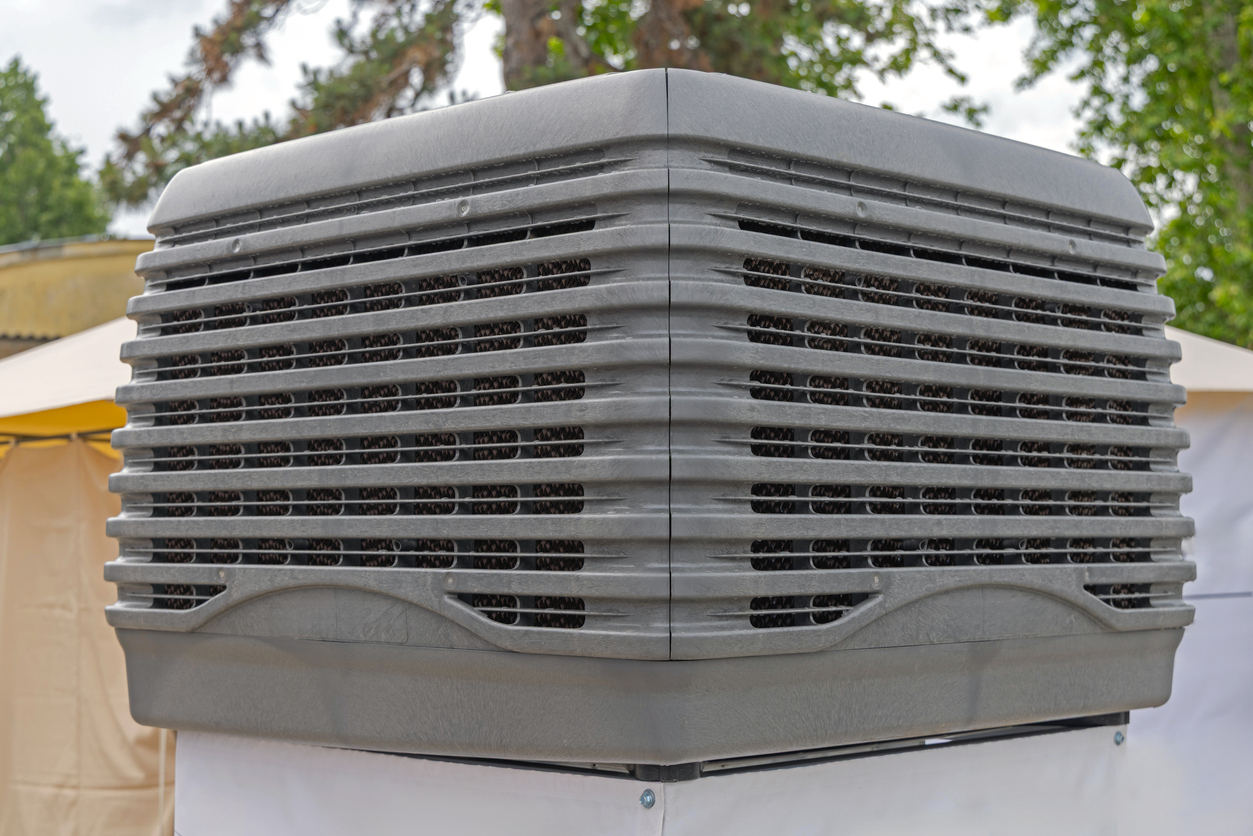
Evaporative cooling Melton is genuinely one of the best fits for dry summer climate. It is energy-efficient, it keeps fresh air circulating through your home, and when it is set up and used correctly, it can make even the hottest Melton days feel manageable. But here is the thing most people do not realise: how much comfort you get out of an evaporative cooler has as much to do with how you use it as with the unit itself.
Many households in Melton and the surrounding western suburbs run their evaporative cooler the same way they would run a reverse-cycle air conditioner — closing everything up, setting it and forgetting it. The result is a home that never quite cools down properly, and a unit that works harder than it needs to. This guide covers the strategies, habits, and maintenance steps that genuinely make a difference to how well your system performs.
Start Early: Cool the House Before the Heat Builds
One of the most effective strategies for evaporative cooling is also one of the simplest: start the system before it gets hot, not after.
- Turn on early in the morning: On days forecast above 35 degrees, run the cooler on high from around 7am to 9am while outside temperatures are still relatively low. This brings the whole house structure — walls, floors, ceiling — down to a comfortable temperature before the heat of the day arrives.
- Reduce fan speed through the middle of the day: Once the home has been pre-cooled and temperatures outside have risen significantly, the system can often switch to a lower fan speed to maintain comfort rather than working at full capacity against the peak heat.
- Avoid playing catch-up: Waiting until the house is already at 30 degrees inside before switching the system on means the cooler has to work against the heat stored in the walls and floor — this takes much longer and the result is rarely as comfortable.
Get Your Windows Right
Window management is one of the biggest factors in how well an evaporative cooler performs, and it is something that is easy to get wrong.
Open Windows in the Rooms You Want to Cool
The cooled air your system pushes in needs to displace the warm air already in the room. Opening a window in the room you are in gives that warm air somewhere to escape, which allows the cool air to fill the space properly.
- Open windows approximately 10 to 15 centimetres in rooms where you want cooling — wide enough to allow airflow but not so wide that you are simply recirculating hot outside air
- In rooms where you do not need cooling, keep windows and doors closed to direct airflow where it is needed
- Avoid opening windows on the windward side of the house on very windy days — wind pushing back against the system reduces its effectiveness considerably
Close Windows as the Day Heats Up
Many people make the mistake of leaving windows open all day. As outside temperatures climb, the strategy should change.
- Close windows and external doors progressively as the day heats up to trap the cooler air inside the home
- Use the cooler to maintain the temperature you have achieved rather than fight the outside heat with windows fully open
- In the evening when outside temperatures drop below inside temperatures, open windows wide to flush out the warm air and let cooler night air in — turning the cooler off and using natural ventilation is often the most efficient approach from around 8pm onward on most summer nights in Melton
Use Zoning Effectively
Most ducted evaporative cooling systems installed in Melton homes include zone controls — the ability to direct airflow to specific areas of the home and close off others. Using zoning well makes a significant difference to both comfort and efficiency.
- Cool only the areas in use: If the family is in the living areas during the day, close the bedroom zones and focus all airflow on the living spaces — the cooling effect will be noticeably stronger
- Switch zones before bedtime: About 30 to 45 minutes before going to bed, open the bedroom zones and close the living area zones to pre-cool the sleeping spaces
- Do not close all zones simultaneously: Closing every zone while the system is running restricts airflow and puts strain on the motor. Always keep at least one zone open when the system is operating
Manage Humidity Days Carefully
Evaporative cooling works by evaporating water into the air. On humid days — typically when Melbourne is experiencing a northerly change followed by a sea breeze — the air already contains significant moisture, which limits how much further evaporation can occur. This reduces the system’s cooling capacity.
- On days where relative humidity exceeds 60 to 70%, evaporative cooling becomes noticeably less effective
- If your home has a split system in a key room (such as the main bedroom), use it on the highest-humidity days rather than expecting the evaporative cooler to perform the same as on a dry day
- Melton’s inland location means genuinely humid days are less frequent than coastal areas — for most of the summer season, evaporative cooling will perform excellently
- Check the Bureau of Meteorology forecast before a hot day — if relative humidity is forecast below 40%, your evaporative cooler will perform at its best
Keep Up with Maintenance — It Directly Affects Performance
There is no tip in this guide that delivers more consistent benefit than simply keeping your evaporative cooler properly maintained. A well-serviced unit cools better, uses less water and electricity, and lasts significantly longer than a neglected one.
Replace Cooling Pads Annually
Cooling pads are the core of how the system works. As they age, they become coated with mineral scale, lose their ability to absorb water evenly, and restrict airflow. The result is a unit that works harder to deliver less cooling.
- Replace pads at the start of each cooling season — ideally in September or October before the heat arrives
- In areas with harder water (and Melton’s supply has moderate mineral content), pads may need replacing more frequently — inspect them mid-season if performance has dropped
- Fresh pads allow the system to cool air to its designed temperature difference, giving you full performance from day one of summer
Clean the Water Reservoir and Pump
The reservoir collects mineral scale and sediment over the course of a season. A dirty reservoir leads to scale on the pads, a struggling pump, and sometimes a musty odour in the airstream.
- Flush and clean the reservoir at the start of each season before filling it
- The pump strainer should be cleaned to remove any debris that restricts water flow
- Descaling the pump body and reservoir when significant scale is present keeps the water distribution system working correctly
Check the Float Valve
The float valve controls the water level in the reservoir — similar to the mechanism in a toilet cistern. If it sticks or fails to seat properly, the reservoir either overfills (causing leaks) or underfills (reducing cooling performance).
- A correctly set float valve maintains the reservoir at the designed water level for optimal pad saturation
- If you notice water dripping from the unit or performance that feels inconsistent, the float valve is worth checking
Lubricate Motor and Check Belt Tension
The motor and belt (on belt-driven units) are the mechanical heart of the system. Keeping them in good order ensures the system moves the designed volume of air at the designed efficiency.
- A motor that is correctly lubricated runs cooler, quieter, and lasts longer
- A belt at the correct tension transfers power efficiently without slipping or putting unnecessary strain on the motor bearings
- These checks should be part of every annual service. They take a few minutes for a heating and cooling specialist Melton but make a meaningful difference to system performance and lifespan
Optimise Your Home, Not Just Your System
The best evaporative cooler in the world will struggle if the house itself is working against it. A few simple measures to reduce heat gain in your home make the cooler’s job significantly easier.
- External blinds and awnings: Shade on windows before the sun hits the glass prevents the room from heating up in the first place — far more effective than trying to cool it down afterwards
- Close curtains on the sunny side: On days without external shade, closing heavy curtains or blockout blinds on west and north-facing windows significantly reduces heat gain through the glass
- Ceiling fans: Running ceiling fans on low in conjunction with your evaporative cooler improves air circulation within each room, making the cooled air feel more consistent and comfortable throughout the space
- Insulation: Good ceiling insulation keeps heat from radiating down from the roof on hot days — one of the biggest sources of heat load in Melton homes during summer
- Reduce internal heat sources: Ovens, dishwashers, and dryers all add heat to the air inside your home. Using these appliances in the cooler morning or evening hours reduces the cooling load on your system during the heat of the day
Frequently Asked Questions
Should I run my evaporative cooler with windows open or closed?
Open, always — but only partially and strategically. Evaporative coolers need airflow to work. Open windows around 10 to 15 centimetres in the rooms where you want cooling, and keep doors closed in rooms where you do not. Fully closing all windows shuts off the airflow the system needs to push cooled air through the home.
Why does my evaporative cooler not seem to cool the house effectively?
The most common reasons are: windows managed incorrectly (either all closed or all open), high outside humidity reducing evaporation efficiency, worn or scaled cooling pads reducing the temperature drop, or the system running too late in the day after the house has already absorbed significant heat. Start earlier, manage windows properly, and ensure the pads are in good condition.
How often should I service my evaporative cooler?
At minimum, once per year — ideally in September or October before the cooling season begins. Annual servicing covers pad replacement, pump and reservoir cleaning, motor lubrication, belt inspection, and a full system check. Skipping a year increases the chance of a mid-summer breakdown and reduces cooling performance.
Can I use my evaporative cooler and air conditioner at the same time?
No — they work in fundamentally opposite ways and will cancel each other out. Evaporative cooling requires open windows for airflow; air conditioning requires closed windows to maintain a sealed environment. Running both simultaneously wastes energy and achieves worse results than either system on its own. On genuinely humid days, use the air conditioner. On hot, dry days, use the evaporative cooler.
Is evaporative cooling effective on days above 40 degrees?
Yes, on dry days. Evaporative cooling is actually most powerful when outside temperatures are at their highest, because there is more heat energy available to drive evaporation from the pads. A well-maintained system on a 42-degree, low-humidity day can still cool air by 8 to 12 degrees or more — enough to maintain comfortable indoor temperatures if the home has been pre-cooled and managed well throughout the day. On extreme heat days, start the system early and manage the house to retain the cool.
Conclusion
Evaporative cooling done well is genuinely one of the most comfortable and cost-effective ways to get through a Melton summer. The homes that stay cool on the hottest days are not necessarily the ones with the biggest or newest units — they are the ones where the system is well maintained, the windows are managed correctly, and the house has been set up to work with the cooler rather than against it.
If your system has not been serviced in the last twelve months, or if you feel like it is simply not performing the way it should, the team at New Image Heating & Cooling is here to help. We service evaporative cooling systems across Melton and western Melbourne and we take the time to do the job properly — not just a quick clean, but a full inspection of everything that affects how well your system performs on the days that matter most. Reach out today to book your pre-season service and head into summer with a system you can rely on. Call us at 0468 125 098 or submit our online form!



