Running your air conditioner Melton flat out from November through March gets expensive. Melbourne’s western suburbs are some of the hottest in the metro area on extreme heat days, and energy bills reflect it. The good news is that with a few practical steps, you can get significantly more cooling out of the same system for less money.
Start With a Pre-Summer Service
The single most effective thing you can do for efficiency is get the system serviced before summer. A dirty evaporator coil can reduce efficiency by 20 to 30 percent. Low refrigerant forces the compressor to work harder. A partially blocked filter makes the blower motor labour unnecessarily.
A well-serviced system operates closer to its designed efficiency. A neglected one wastes energy fighting its own internal resistance. Book a spring service in September or October before the demand for technicians picks up.
Set the Right Temperature
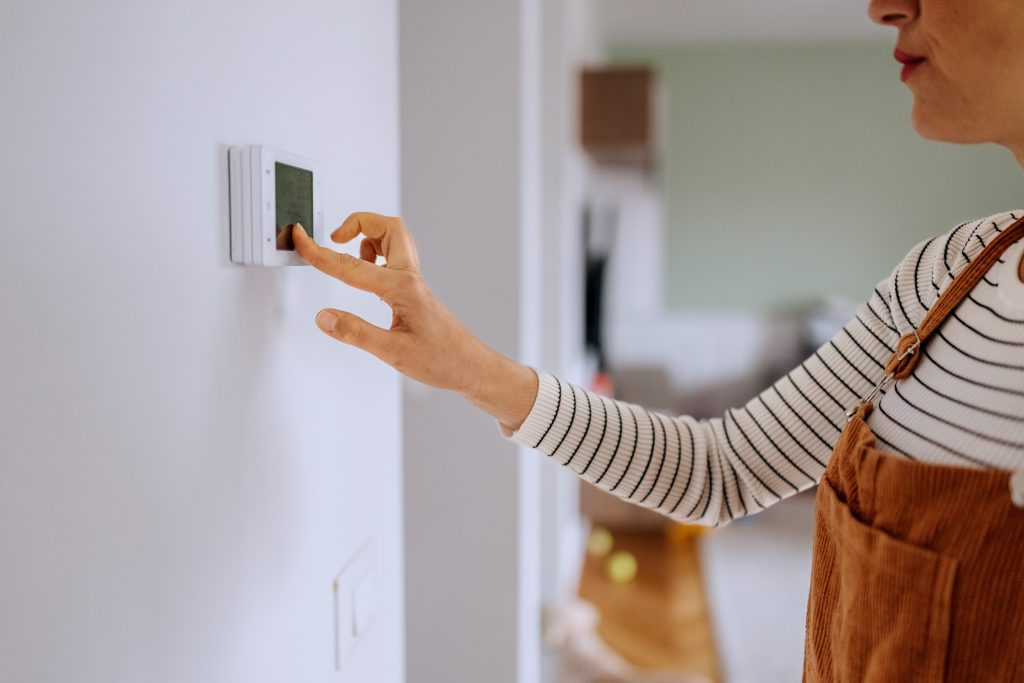
There’s a meaningful difference in energy consumption between setting your air conditioner to 22 degrees and 24 degrees. Every degree lower costs more to maintain. For most households, 24 to 26 degrees is genuinely comfortable and significantly more economical than pushing toward 20 or 21 degrees.
Your body also acclimatises. A consistent 25-degree home feels cooler after a few minutes inside than a home that swings between 30 degrees and 20 degrees. Consistency uses less energy than big swings.
Use Ceiling Fans to Spread the Cool
Ceiling fans don’t cool air — they create a wind chill effect that makes you feel cooler. When combined with an air conditioner, they allow you to raise the set temperature by two or three degrees while maintaining the same perceived comfort level.
Make sure your ceiling fans are running in the correct direction for summer: anticlockwise when viewed from below, pushing air straight down.
Seal Your Home Before Running the System
Cool air escapes through the same gaps that warm air comes in. Before turning the system on for the day, check that all windows and doors are closed and sealed, including gaps under external doors. Draught-sealing is inexpensive and can make a noticeable difference to how long a room takes to cool.
In Melton and the newer estates of West Melbourne, homes often have decent thermal performance. In older homes around Sunshine, Deer Park, and Hoppers Crossing, draught-sealing is frequently worthwhile.
Pre-Cool Before the Heat Peaks
Melbourne’s hottest part of the day is typically between 2pm and 5pm. If you run your air conditioner from noon to bring the house down to temperature before the peak heat arrives, the system has a much easier job than if you switch it on at 3pm when the house has been baking for six hours.
This is particularly effective in homes with good insulation and shading. A cool house at noon stays manageable through the afternoon with the system working at a comfortable pace rather than at full capacity.
Use Blinds and Curtains Strategically
A single west-facing window without shade can add enormous heat load to a room. Block direct sunlight with external shading — pergolas, awnings, roller shutters — where possible, and use heavy curtains or blinds on windows that receive direct afternoon sun.
This is directly relevant for homes in Tarneit, Truganina, and Caroline Springs, where newer builds often feature large west-facing windows and limited external shade.
Keep the Outdoor Unit Clear and Shaded
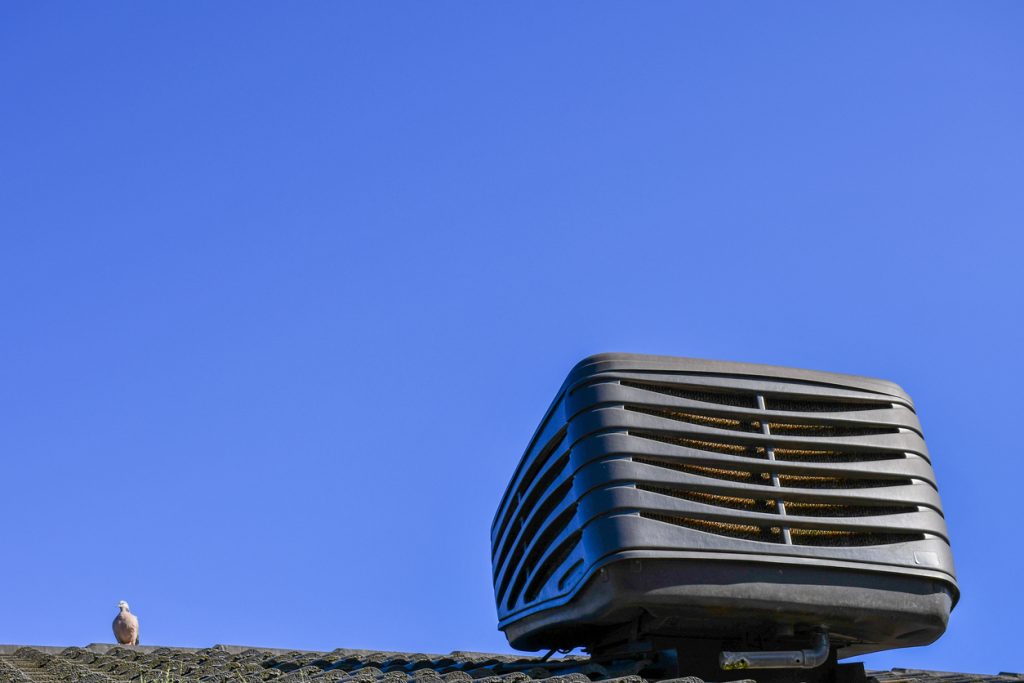
The condenser unit outside works by expelling heat from your home into the outside air. If it’s sitting in full afternoon sun surrounded by radiated heat from a concrete slab, it has to work harder. Keeping the area around the unit clear of debris and providing shade — from a pergola, shade cloth, or plants kept at least one metre away — reduces the ambient heat the unit works against.
Zone and Close Off Unused Rooms
For ducted systems, close the vents and doors of rooms you’re not using. Cool only the spaces you’re occupying. For split systems, keep the door to the room being cooled closed. A split system cooling an open-plan house through a single doorway will run constantly and still not get the temperature down.
Check Your Insulation
In high heat conditions, ceiling insulation plays a critical role in preventing heat from radiating down from the roof into your living spaces. If your ceiling insulation is old, thin, or missing in spots, your air conditioner is competing with radiated heat from above.
This isn’t an air conditioning fix, but it’s one of the highest-return investments for homes in Melbourne’s west that struggle with summer heat.
Conclusion
Improving the efficiency of your air conditioner West Melbourne during summer is simple. Regular servicing is also important to keep your air conditioner working properly and catch potential problems early. By taking care of your system and using it wisely, you can stay comfortable during summer while keeping energy use under control. Call New Image Heating & Cooling for a system health check at 0468 125 098 or submit our online form.
Frequently Asked Questions
What temperature should I set my air conditioner to for maximum efficiency?
24 to 26 degrees is the sweet spot for comfort combined with energy efficiency. Every degree below 24 increases running costs noticeably. Use ceiling fans alongside the system to maintain comfort at the higher end of this range.
Does running the air conditioner all day use more electricity than cycling it on and off?
In most cases, maintaining a stable set temperature uses less energy than allowing the house to heat up and then cooling it back down repeatedly. Large temperature swings require the system to work harder each time it restarts.
How much does a dirty filter actually affect efficiency?
A heavily soiled filter can reduce airflow by up to 40 percent, forcing the blower motor to work harder and the system to run longer. Cleaning or replacing the filter regularly is the cheapest efficiency improvement you can make.
Should I service my air conditioner before or after summer?
Ideally both, but if only once, do it before summer. A pre-summer service ensures the system is operating at full efficiency when you need it most. A post-summer service addresses any wear from the season.
Does shading the outdoor unit really help with efficiency?
Yes, but only if it doesn’t restrict airflow. An outdoor unit in full afternoon sun operates less efficiently than one in shade. Shading can improve efficiency noticeably in high ambient temperature conditions — just maintain at least one metre of clearance around the unit.