
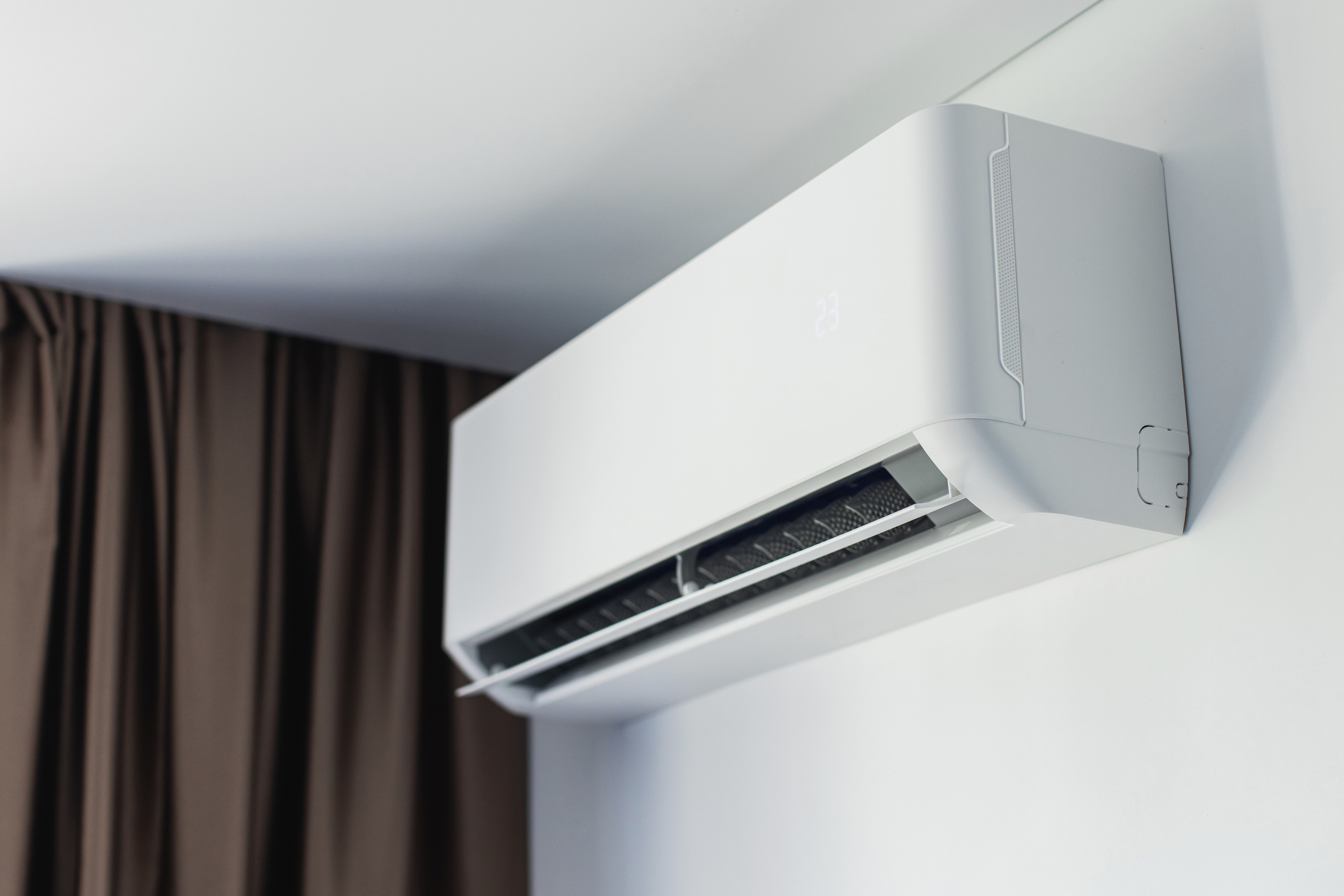
A well-functioning air conditioner Melton should operate quietly in the background, keeping your home comfortable without drawing attention to itself. But when your unit starts rattling, buzzing, hissing, or grinding, it quickly becomes hard to ignore. Air conditioner noise is one of the most common complaints we hear, and it is almost always a sign that something needs attention.
Some noise from an air conditioner is completely normal. A gentle hum from the compressor or the sound of air moving through the ducts is expected. But loud, sudden, or unfamiliar sounds are your system’s way of telling you something has changed. The good news is that most AC noise problems are identifiable and fixable — you just need to know what you are listening for and what steps to take.
Why Air Conditioners Make Noise
Before you can reduce noise from your air conditioner, it helps to understand what generates it in the first place. Air conditioning systems contain multiple mechanical components that move, vibrate, compress, and circulate refrigerant — all of which produce sound under normal operation. When those components wear out, come loose, or develop a fault, the noise they produce changes in character and volume.
Vibration From the Outdoor Unit
The outdoor unit houses the compressor and condenser fan, both of which generate vibration during normal operation. Over time, the mounting hardware that secures the unit to its base can loosen, or the base itself can shift, causing the entire unit to vibrate more than it should.
- Loose panels or screws on the outer casing of the unit rattle with every compressor cycle, producing an intermittent metal-on-metal sound.
- If the outdoor unit is mounted on a surface that has settled unevenly, the vibration amplifies rather than dampening through the base.
- Anti-vibration pads placed under the outdoor unit absorb movement and significantly reduce the transmission of vibration noise into the surrounding structure.
- In older units, the rubber feet that isolate the compressor from the chassis degrade over time and become hard, allowing more vibration to pass through.
Rattling or Debris in the System
Rattling is one of the most frequently reported noise complaints, and in many cases it has a straightforward cause. Leaves, twigs, seed pods, and other debris can enter the outdoor unit through the top grille and become lodged near the fan blade, causing a repeated rattling or ticking sound every time the fan spins.
- Debris accumulation is more common in Melton and Bacchus Marsh properties with nearby trees, particularly after windy conditions or in autumn when leaves are falling.
- Switching the system off and carefully clearing visible debris from around and inside the outdoor unit can resolve this type of rattling immediately.
- A bent or damaged fan blade will also produce a rhythmic rattling or whooshing sound that changes pitch with fan speed — this requires professional attention as the blade itself needs replacing.
- Inside the indoor unit, loose internal components or objects that have found their way into the return air grille can cause rattling during operation.
Buzzing Sounds
A buzzing sound coming from your air conditioner is worth taking seriously, as it often indicates an electrical issue rather than a simple mechanical one. Electrical buzzing from AC units can stem from several different components and should not be ignored.
- A failing capacitor — the component that helps start the compressor and fan motors — often produces a buzzing or humming sound before it fails completely.
- Loose electrical connections within the unit can arc slightly under load, creating a buzzing sound and presenting a potential fire or safety hazard.
- A refrigerant leak can produce a hissing or bubbling buzz as gas escapes from the circuit — this requires immediate attention from a licensed technician.
- Some buzzing is caused by the contactor relay switch cycling on and off — if the contactor is worn, it may not engage cleanly and will produce an audible buzz with each activation.
Banging or Clanking
Banging or clanking sounds are among the most alarming noises an air conditioner can produce, and they almost always indicate a loose or broken component inside the unit. This is not a noise to ignore or investigate yourself — if your system is clanking, turn it off and call a technician.
- A loose compressor mount or a compressor that has become unbalanced will produce a heavy banging sound, particularly when the system starts up or shuts down.
- A broken or disconnected fan blade striking the casing creates a very loud, repetitive clanking or banging sound with every revolution.
- Loose internal components within the compressor housing — a sign of significant wear — can cause a banging sound that gets worse under load.
- Running a system that is making banging sounds risks compounding the damage and turning a repairable fault into a full system replacement.
Squealing or Screeching
A high-pitched squealing or screeching sound is usually related to a motor or belt component that is under stress. In modern air conditioners, fan motors with worn bearings are the most common cause of this type of noise.
- Worn fan motor bearings produce a persistent high-pitched squeal that usually worsens over time and becomes more pronounced when the unit is under load during extreme weather.
- In ducted systems, a squealing sound from the indoor air handler unit often points to the blower motor bearings, which can be lubricated or replaced before total failure occurs.
- Older systems with belt-driven blowers — less common in modern units but still present in some ducted setups — can squeal when the belt wears, stretches, or begins to slip.
- Acting on squealing sounds early is important — bearing failure can cause the motor itself to seize, which is a far more costly repair than simply replacing worn bearings.
Hissing or Gurgling
Hissing and gurgling sounds are most commonly associated with the refrigerant circuit. A properly sealed and charged refrigerant system should operate silently, so any audible sound from the refrigerant lines or coils is a sign that something is not right.
- A steady hiss from the outdoor unit or the refrigerant lines is often a sign of a refrigerant leak, which reduces cooling efficiency and can damage the compressor if left unchecked.
- Gurgling or bubbling sounds from inside the indoor unit can indicate air in the refrigerant circuit, which typically means there is a leak and the system has lost pressure.
- A hissing sound that occurs only briefly when the system first starts up or shuts down can be normal — refrigerant equalising pressure between the high and low side of the circuit.
- Persistent or loud hissing should always be investigated by a licensed technician — refrigerant handling in Australia requires a licence under the Australian Refrigeration Council (ARC) regulations.
How to Reduce Air Conditioner Noise
Once you understand what is causing the noise, there are a number of practical measures that can reduce or eliminate it. Some of these you can do yourself; others require a qualified heating and cooling technician.
Tighten Loose Panels and Fittings
Many minor rattles and vibration noises come from panels, screws, or fittings that have worked themselves loose over time. A simple visual inspection and physical check of the outdoor unit’s casing can often identify and resolve these quickly.
- Walk around the outdoor unit and gently press on the casing panels — a panel that moves or flexes under light pressure is not secured properly and will rattle during operation.
- Use a screwdriver to check and tighten any visible screws on the outer casing, taking care not to overtighten or strip the heads.
- Check the refrigerant lines and any covers or brackets that may have loosened where they meet the outdoor unit or enter the building.
Install Anti-Vibration Pads
Anti-vibration pads are a simple and cost-effective solution to reduce noise transmitted from the outdoor unit to the surrounding surface. They are made from dense rubber or composite material and sit between the unit’s feet and the mounting surface.
- They absorb the vibration generated by the compressor and fan motor before it can travel through the slab or bracket into the building structure.
- Anti-vibration pads are particularly effective when the outdoor unit is mounted on a concrete slab directly against an external wall, as hard surfaces amplify rather than absorb vibration.
- Replacement pads are inexpensive and readily available from HVAC suppliers — your technician can fit them during a routine service call.
Keep the Unit Clean and Clear
A clean air conditioner is a quieter air conditioner. Dirt, debris, and blocked airflow all contribute to increased noise levels by forcing components to work harder than they should.
- Clean or replace the indoor air filter regularly — a blocked filter reduces airflow and causes the indoor blower to work harder, increasing noise from the fan motor.
- Clear the area around the outdoor unit of leaves, garden debris, and vegetation — a minimum of 500mm of clearance on all sides is recommended to allow adequate airflow.
- Have the outdoor coil cleaned annually — a clogged condenser coil forces the compressor to work at higher pressures, increasing both noise and energy consumption.
- In Melton and Bacchus Marsh, where dust levels can be higher during dry and windy conditions, more frequent cleaning may be necessary to maintain optimal performance.
Schedule an Annual Service
Many noise issues develop gradually from wear that builds up over months or years. An annual service by a qualified technician identifies developing faults before they become serious problems — and before they become serious noise problems.
- A technician will check all moving parts for wear, test electrical components, inspect the refrigerant circuit, and lubricate motor bearings where applicable.
- Worn components identified during a service can be replaced proactively rather than waiting for them to fail completely, which is almost always cheaper.
- Regular servicing also keeps the system operating at its rated efficiency, reducing the strain on components and extending the overall lifespan of the unit.
Consider a Sound Blanket or Acoustic Enclosure
For properties where the outdoor unit is located near a bedroom window, living area, or boundary fence, a sound blanket or acoustic enclosure can meaningfully reduce the noise that reaches occupied spaces.
- Compressor sound blankets wrap around the compressor inside the outdoor unit and absorb sound at its source — they are designed specifically for air conditioning compressors and do not affect cooling performance.
- Acoustic louvre screens or enclosures placed around (not over) the outdoor unit can redirect and absorb sound before it reaches adjoining areas, provided they are designed to maintain adequate airflow around the unit.
- Never enclose an outdoor unit in a fully sealed box — restricted airflow causes the unit to overheat and will dramatically shorten its lifespan.
Frequently Asked Questions
Is it normal for my air conditioner to make noise when it starts up?
A brief clicking sound when the system starts or shuts down is completely normal — this is the relay contactor engaging and disengaging. A short hiss as the refrigerant equalises pressure is also common. What is not normal is loud banging, sustained buzzing, or any new sound that was not present before. If a startup sound has suddenly appeared or become louder, it is worth having a technician inspect the unit.
My air conditioner is loud at night but quieter during the day. Why?
Background noise levels drop significantly at night, which makes your air conditioner seem louder even if it is producing the same amount of sound. However, there is also a genuine effect: overnight temperatures can cause metal components to contract slightly, which can temporarily increase rattles or vibration from fittings that are borderline loose. If the difference is significant, have the outdoor unit checked for loose panels and consider anti-vibration pads.
Should I turn off my air conditioner if it is making unusual noises?
If the noise is loud, sudden, or involves banging, clanking, or screeching, yes — switch the unit off and call a technician. Running a system that is making these sounds risks compounding the fault and potentially turning a repairable issue into a full replacement. For minor rattles or subtle changes in sound, you can continue using the unit but should arrange an inspection as soon as practical.
Conclusion
An air conditioner that runs quietly is not just more comfortable to live with — it is a sign that the system is healthy, well-maintained, and operating as it should. When noise appears, it is your system communicating that something needs attention. Responding to it promptly is always cheaper than waiting for the problem to escalate.
At New Image Heating and Cooling Melton, we service and repair air conditioning systems across Melton and Bacchus Marsh every day. Whether your unit is rattling, buzzing, squealing, or just not as quiet as it used to be, our team can diagnose the cause and fix it properly. Call us on 0468 125 098 or get in touch via our online form for a free quote — we respond fast, we are honest about what your system needs, and we back our work with a workmanship guarantee.



