
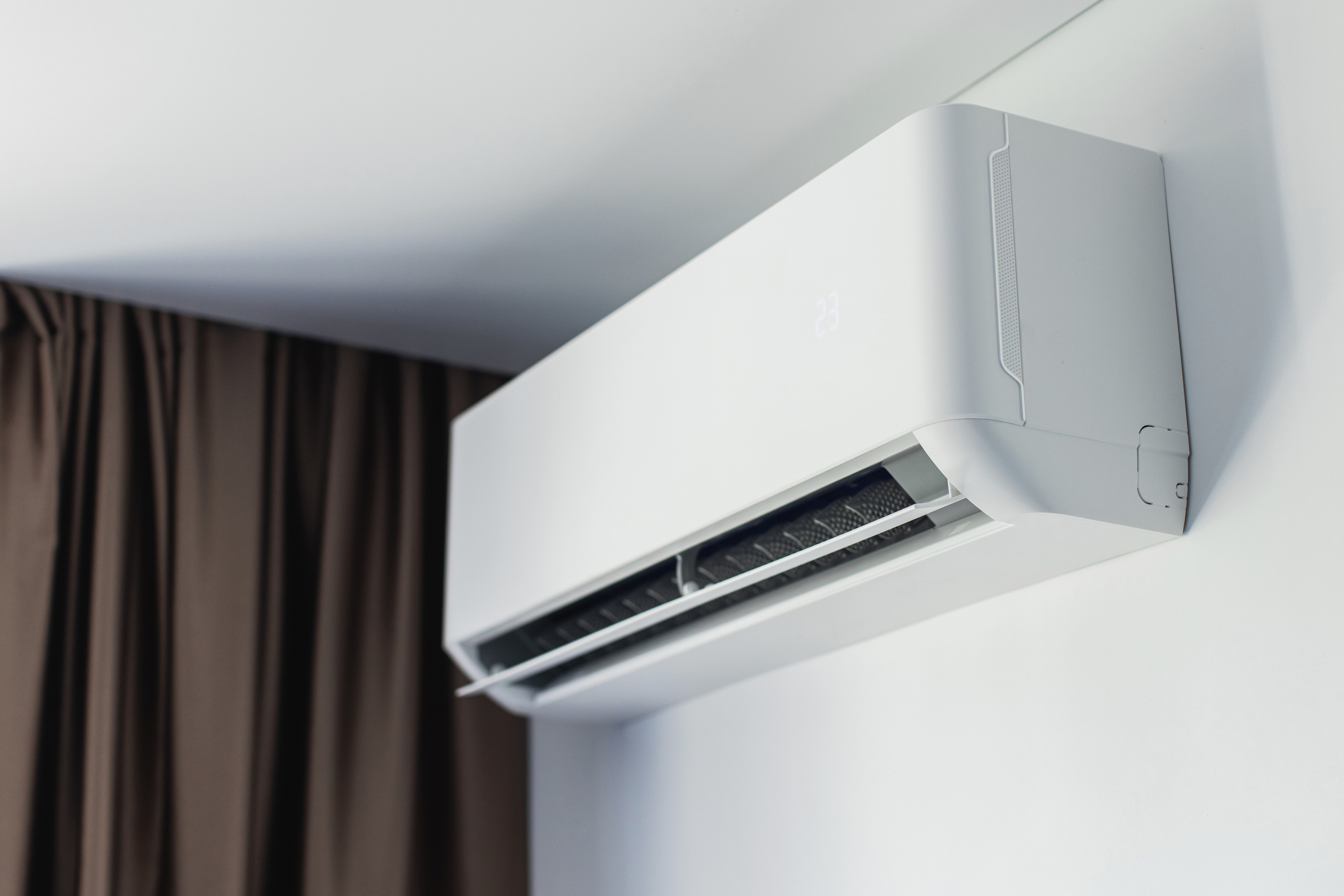
Split systems Melton are genuinely one of the most energy-efficient ways to heat and cool a home. The problem is that efficiency on paper and efficiency in practice are two very different things. A well-maintained split system used correctly can be economical and comfortable year-round. The same system used poorly — or left unserviced — costs significantly more for noticeably worse results. For homeowners in Melton and Bacchus Marsh, where summer temperatures regularly push well above 38°C and winter nights can be genuinely cold, getting the most out of your split system isn’t just about the power bill — it’s about staying comfortable through the extremes. Here’s a practical guide to what actually makes a difference.
Start With a Service
Before anything else — none of the tips below will meaningfully improve a system that hasn’t been properly maintained. A split system with a clogged filter, dust-coated evaporator coil, or partially blocked condensate drain is already operating at a fraction of its designed efficiency. Every usage habit in the world won’t compensate for a system that can’t breathe or transfer heat properly.
What a professional service includes and why it matters for efficiency
- Filter cleaning or replacement: A blocked filter is the single most common cause of reduced split system efficiency. It restricts airflow across the evaporator coil, reduces the system’s ability to transfer heat, and forces the motor to work harder. Filters should be cleaned by the homeowner every four to six weeks during periods of heavy use, and professionally cleaned or replaced at the annual service.
- Evaporator coil cleaning: Over time, fine particles pass through the filter and coat the evaporator coil. A dirty coil can’t transfer heat efficiently, forcing the compressor to run longer and harder to achieve the same result. Studies on residential split systems have found that dirty coils can increase energy consumption by 20 to 30 percent compared to a clean system.
- Condensate drain clearing: A blocked condensate drain causes water to back up into the unit, promoting mould growth in the drip tray and potentially damaging electrical components. It also increases internal humidity, reducing the system’s dehumidification performance during cooling.
- Refrigerant level check: A system that’s low on refrigerant can’t transfer heat at its designed rate. The compressor works harder, running costs increase, and cooling or heating output falls short of what the system should be producing. Only a licensed refrigerant technician can check and correct refrigerant charge.
A professionally serviced system is the baseline from which all other efficiency improvements are meaningful. Get it serviced first, then apply the habits below.
Set the Temperature Correctly
Thermostat setting has a direct and significant impact on running costs. The temptation to push the temperature down in summer or up in winter to get the result faster doesn’t actually work that way — the system works at the same rate regardless of how ambitious the set point is. All you’re doing is running it longer and spending more money.
The right temperature ranges for Melton and Bacchus Marsh homes
- Summer cooling: 24 to 26 degrees Celsius. Setting below 24 degrees costs significantly more and rarely produces a meaningfully more comfortable home. The human body acclimatises to indoor temperature, and 25 degrees in a well-sealed, properly cooled room is genuinely comfortable for most people. Each degree below your set cooling target adds approximately 5 to 10 percent to running costs.
- Use ceiling fans to raise perceived comfort: A ceiling fan running anticlockwise in summer creates a wind-chill effect that makes the room feel two to three degrees cooler than the actual temperature. This means you can set the split system two degrees higher while maintaining the same comfort level — a meaningful energy saving over a long hot summer.
- Winter heating: 18 to 20 degrees Celsius. This range covers the comfort needs of most people in moderate winter clothing. Every degree above 20 adds noticeably to running costs. Layering up rather than pushing the thermostat higher is genuinely effective and costs nothing.
- Avoid using the system as an emergency measure: If you’ve let the house reach 36 degrees before turning on the system, it has to work at maximum capacity for an extended period to recover. Pre-cooling or pre-heating before temperatures reach extremes is always more efficient than recovery cooling or heating.
Use the Timer Function
Running a split system in an empty house is straightforward waste. The timer function on modern split system controllers is one of the simplest and most effective efficiency tools available — and one of the most underused.
Smart timer strategies for Melton and Bacchus Marsh
- For summer cooling: Set the timer to start the system about an hour before you arrive home, rather than leaving it running all day. Melton and Bacchus Marsh homes absorb heat through west-facing walls and ceilings during the afternoon. Starting the system before you arrive means the home has already recovered by the time you walk in, without wasting electricity all day.
- For overnight cooling: Use the sleep timer to raise the set temperature by two to three degrees once you’re asleep. Research on sleep temperature suggests that sleeping environments don’t need to be as aggressively cool as waking environments. Slightly higher overnight temperatures — around 26 to 27 degrees — are comfortable for most people and save significant energy over an eight-hour cooling period.
- For winter heating: Set the timer to begin warming the house about 30 to 45 minutes before you get up in winter. Waking to a warm house without running the system all night is both more comfortable and significantly cheaper.
- Review your timer settings each season: A timer set for summer conditions doesn’t make sense in winter, and vice versa. Adjust your timer settings at the start of each season to match actual occupancy patterns and outdoor temperatures.
Seal the Space You’re Conditioning
A split system can only be as efficient as the space it’s working in allows. If conditioned air is escaping and outdoor air is entering freely, the system has to keep working to replace that lost conditioning — and your running costs reflect that ongoing battle.
Practical steps to reduce air leakage
- Close all windows and external doors before starting the system. This sounds obvious, but leaving even a small window partly open significantly increases the conditioning load — especially on windy days where outdoor air pressure forces exchange faster than normal.
- Check draught seals on external doors. In many older homes in established Melton suburbs, the rubber or brush draught seals on external door bottoms have worn thin or been compressed over time. Replacing these seals is inexpensive and can make a noticeable difference to how quickly the room cools or heats.
- Close internal doors to rooms not being used. Reducing the volume of space the system is conditioning means it achieves the target temperature faster and maintains it with less effort. Don’t try to cool or heat the whole house if only part of it is occupied.
- Check for gaps around ceiling penetrations: In homes with downlights or other ceiling penetrations, gaps around these fixtures allow conditioned air into the roof cavity and unconditioned roof cavity air into the living space. Sealing these gaps with appropriate products improves both thermal comfort and split system efficiency.
Pre-Cool Before Peak Heat Arrives
In Melton and Bacchus Marsh, peak afternoon heat typically arrives between 2pm and 5pm. By that point, a home that’s been absorbing solar heat through west-facing walls and an unshaded roof all day can be significantly hotter than the outdoor temperature.
Why pre-cooling makes a measurable difference
- Thermal mass works against you on hot days: Your home’s walls, floors, and ceiling store heat. The longer they’ve been absorbing solar energy, the more heat they contain and the more the split system has to work to pull that temperature down. Starting the system at midday — when the home is at 28 degrees — and maintaining it at 24 to 25 degrees through the afternoon uses significantly less total energy than switching it on at 3pm when the house has reached 36 degrees.
- The compressor runs harder under peak load: When outdoor temperatures are at their daily maximum — mid-to-late afternoon in western Melbourne — the split system’s outdoor condenser has to work harder against a hotter ambient temperature to shed heat. Pre-cooling during the cooler part of the day, and then simply maintaining that temperature through the afternoon, takes advantage of the more favourable operating conditions in the middle of the day.
- In Bacchus Marsh, overnight cool air is an asset: Bacchus Marsh experiences significant temperature variation between day and night. On many summer evenings, outdoor temperatures drop to comfortable levels well before midnight. Use natural ventilation after dark to flush the house with cool night air before closing up and running the split system the next day. You can reduce the pre-cooling energy load significantly by starting from a naturally cooler base.
Manage Window Solar Load
The split system’s job is much easier when it’s not fighting direct solar heat entering through unshaded windows. This is especially relevant in Melton and Bacchus Marsh homes with west-facing glazing, which takes the full force of afternoon sun.
Seasonal window management strategies
- In summer — close west-facing blinds or curtains in the early afternoon: West-facing glass can admit substantial heat load from 1pm onwards through a typical Melbourne summer afternoon. Closing blinds or curtains on west-facing windows before the sun reaches them — before you leave in the morning rather than after the room has already heated up — keeps that solar load out of the living space entirely.
- External shading is more effective than internal: Blinds and curtains reduce solar heat entry but the glass itself still heats up. External shade solutions — awnings, pergolas, trees — intercept the solar energy before it reaches the glass, which is significantly more effective. If you’re investing in any property improvement for summer comfort in Melton or Bacchus Marsh, external shading on west-facing windows has one of the highest returns.
- In winter — use solar gain strategically: Open north-facing curtains and blinds during daylight hours to allow free solar heat into the home. Close them at dusk to retain the warmth before overnight temperatures drop. This passive solar heating approach reduces the time the split system needs to run for morning warming.
Look After the Outdoor Unit
The outdoor condenser unit is the component that rejects heat to the outside during cooling or extracts it from the outside during heating. Its operating conditions directly affect the split system’s efficiency and reliability.
Keeping the outdoor unit in good condition
- Keep at least one metre of clear airflow space around the unit on all sides. Vegetation growing into or over the unit restricts the airflow the condenser needs to work efficiently. Check this at the start of each cooling and heating season, particularly in Bacchus Marsh where garden growth over the cooler months can be significant.
- Shade the outdoor unit from afternoon sun if possible: A condenser unit operating in shade runs more efficiently than one in direct afternoon sun because it’s rejecting heat to a slightly cooler ambient air mass. If you can shade the unit without obstructing its airflow — a pergola side panel, a fence line positioned to the unit’s west — this can improve efficiency on peak heat days. Never enclose the unit or restrict its airflow to shade it.
- Keep the condenser fins clean: The aluminium fins on the outdoor unit accumulate fine dust and debris over time. Dirty fins reduce the unit’s ability to shed heat and increase running costs. A gentle rinse with a garden hose at the start of each season removes surface debris without damaging the fins. Don’t use high-pressure cleaning.
- Ensure the unit isn’t installed in a confined space: Units installed in narrow side passages, in enclosed utility areas, or near walls that restrict airflow recirculate their own hot exhaust air rather than drawing in fresh ambient air. If your unit is poorly located, discuss relocation with a technician as part of a future service or replacement.
Run Fan-Only Mode After Each Cooling Session
This is a small habit that makes a real difference to how long your system stays clean and odour-free between services. After each cooling session, switching the system to fan-only mode for 30 to 60 minutes dries out the evaporator coil and the condensate drip tray.
Why this matters
- Mould prevention: The evaporator coil and drip tray stay wet after the compressor stops. A damp, warm environment is exactly what mould needs to establish. Regular drying with fan-only mode removes the moisture before mould can develop, keeping the air quality cleaner and the system fresher between professional services.
- Eliminates musty smells: That musty smell when you first turn on an air conditioner is typically mould or bacteria on the wet evaporator coil. Drying the coil after each session prevents this from developing in the first place.
- Extends the interval between professional cleans: A system that’s kept dry between uses accumulates less microbial growth and needs fewer chemical cleans over its lifetime. This is a simple habit with a real long-term cost benefit.
Annual Servicing Is an Efficiency Investment, Not Just Maintenance
Annual professional servicing is often thought of as a breakdown-prevention measure. It is that, but it’s also an efficiency investment. A split system operating with dirty coils uses measurably more electricity to achieve the same cooling or heating output as a clean system — estimates typically put this at 20 to 30 percent additional energy consumption for heavily soiled coils. Over a full cooling season in Melton or Bacchus Marsh, where the system may run for several months, that difference is a meaningful amount of money on the power bill.
The efficiency gains from clean coils, a correctly charged refrigerant circuit, clear drainage, and a well-lubricated motor often cover the cost of the annual service in energy savings across a single season — before the breakdown prevention benefit is even counted.
Conclusion
Getting the most out of your split system starts with a system that’s in proper working order. If yours hasn’t been serviced in the past year, or if you’ve noticed that it’s working harder than it used to, not cooling as quickly, or costing more to run, these are signs that a service is overdue. New Image Heating and Cooling Melton services, repairs, and installs split systems. We’ll have your system running at its designed efficiency before the next summer or winter season, and we’ll give you honest advice about its condition and what it needs going forward. Call us on 0468 125 098 to book a service. Book before noon for guaranteed same-day availability across our service area.
Frequently Asked Questions
Does running the split system continuously use more electricity than switching it on and off throughout the day?
In most situations, maintaining a stable temperature uses less energy than allowing the home to heat up or cool down significantly and then recovering. When the home temperature has drifted far from the set point, the system has to run at maximum compressor output to recover — which is the least efficient operating mode. Maintaining a stable temperature keeps the system in moderate, efficient cycles. The exception is when the home will be empty for many hours, where it’s more efficient to let it drift and recool before occupancy using the timer function.
Is auto mode more efficient than setting the split system to cool or heat manually?
Auto mode allows the system to adjust fan speed and compressor output based on how far the room temperature is from the set point — running harder when the gap is large and easing back as the room approaches the target. This can be more efficient than fixed manual settings, which often run the fan at a constant speed regardless of how much cooling or heating is needed. For most households, auto mode with a sensibly chosen target temperature is a practical and efficient setting.
How much does each degree of thermostat setting actually affect my running costs?
Each degree below your cooling target, or above your heating target, adds approximately 5 to 10 percent to running costs. The exact figure depends on your home’s insulation, the gap between the outdoor temperature and your set point, and your specific system’s efficiency rating. Over a full summer season in Melton or Bacchus Marsh, running the system at 22 degrees rather than 25 degrees can add significantly to your quarterly electricity bill. It’s one of the highest-return adjustments you can make without spending any money.
Should I cover the outdoor unit in winter when I’m not using the cooling function?
No — particularly if you’re using the split system for reverse-cycle heating in winter, which requires the outdoor unit to operate freely. Covering it prevents the airflow the heat pump process depends on. If you genuinely aren’t using the system at all in winter, a breathable cover that keeps leaves and debris out without sealing the unit is acceptable, but check the manufacturer’s guidelines and remove it before first use in spring. A solid cover over a running outdoor unit will cause the system to overheat.
Is it worth upgrading to a newer, more energy-efficient split system to reduce running costs?
For systems more than ten years old, the answer is often yes. Modern high-efficiency inverter split systems — particularly those rated six stars or above under the Australian energy star rating system — use significantly less electricity for the same cooling and heating output compared to older fixed-speed or early inverter models. In Melton and Bacchus Marsh homes that run the system heavily through summer and into winter for heating, the annual energy savings can be substantial. Ask New Image Heating & Cooling to discuss the running cost comparison between your current system and a modern equivalent as part of your next service appointment.
How often should I clean the filters myself between professional services?
Every four to six weeks during periods of regular use — more frequently if you have pets, if there’s construction or dust activity nearby, or if the system is running in heating mode through a Melton or Bacchus Marsh winter where the house is kept closed. Most indoor unit covers open easily and the filter slides out for rinsing under warm water. Let it dry completely before reinstalling. A clean filter is the single simplest thing you can do to maintain your split system’s efficiency between professional services.



