
Albanvale is an established suburb in Melbourne’s west, home to a mix of original brick homes from the 1960s through to the 1980s and more recent infill development. The older housing stock in Albanvale tends to have limited ceiling insulation, single-glazed windows, and draughty door frames. When winter arrives and temperatures drop into single digits overnight, these homes can be genuinely difficult to heat, and heating systems in West Melbourne end up running far longer and harder than they should to compensate.
The good news is that keeping your Albanvale home warm doesn’t require replacing your heating system or spending a fortune on renovations. A combination of simple maintenance, smarter habits, and targeted improvements to the home itself can make a substantial difference to both comfort and running costs.
Why Overworking the Heater Is a Problem
When a heating system runs continuously at maximum output to maintain a temperature it’s struggling to reach, several things happen. Energy consumption climbs significantly. The system’s components wear faster than they’re designed to. The heat exchanger, blower motor, gas valve, and ignition system all accumulate wear at an accelerated rate when the system never gets a break.
In older Albanvale homes where the heating system may already be ten or more years old, running it at full stretch through a Melbourne winter increases the likelihood of a breakdown significantly. The coldest nights of the year are also the nights when repairs are hardest to organise quickly and when being without heat is most problematic.
The most effective thing you can do is reduce the amount of work the heating system has to do by improving how well the house retains heat. That means addressing heat loss at its sources rather than just turning up the thermostat.
Start With the Heating System Itself
Get It Serviced Before Winter
A heating system that hasn’t been serviced in a year or more is operating below its designed efficiency. Dust-coated heat exchangers transfer less heat to the circulated air. Partially blocked filters make the blower work harder. Small faults in the ignition system or gas valve mean the system cycles on and off more than it should.
A professional pre-winter service in March or April restores the system to its designed operating condition. For gas ducted heating systems common in Albanvale homes, a thorough service covers the filter, heat exchanger condition, burner, gas pressure, ignition system, blower motor, flue, and a carbon monoxide check at the registers. This is a health check as much as a maintenance task. A cracked heat exchanger can allow combustion gases into the living space without any obvious warning sign other than a technician’s inspection.
Clean or Replace the Filter
The return air filter is the most accessible component of a ducted heating system and the one that homeowners can maintain themselves between professional services. Clean it every six to eight weeks during the heating season. A compacted filter reduces airflow, makes the blower work harder, and in severe cases causes the heat exchanger to overheat and trigger the safety limit switch, causing the system to shut down mid-winter.
Remove the filter, rinse it under running water, let it dry completely before reinstalling. If it’s torn or permanently grey, replace it.
Set the Right Temperature
Every degree above 20 on the thermostat adds roughly 10 percent to heating energy costs. For most households, 18 to 20 degrees is genuinely comfortable for daytime living when dressed appropriately for winter indoors. Reserve temperatures above 20 for households with elderly residents, infants, or people with medical conditions that require warmer environments.
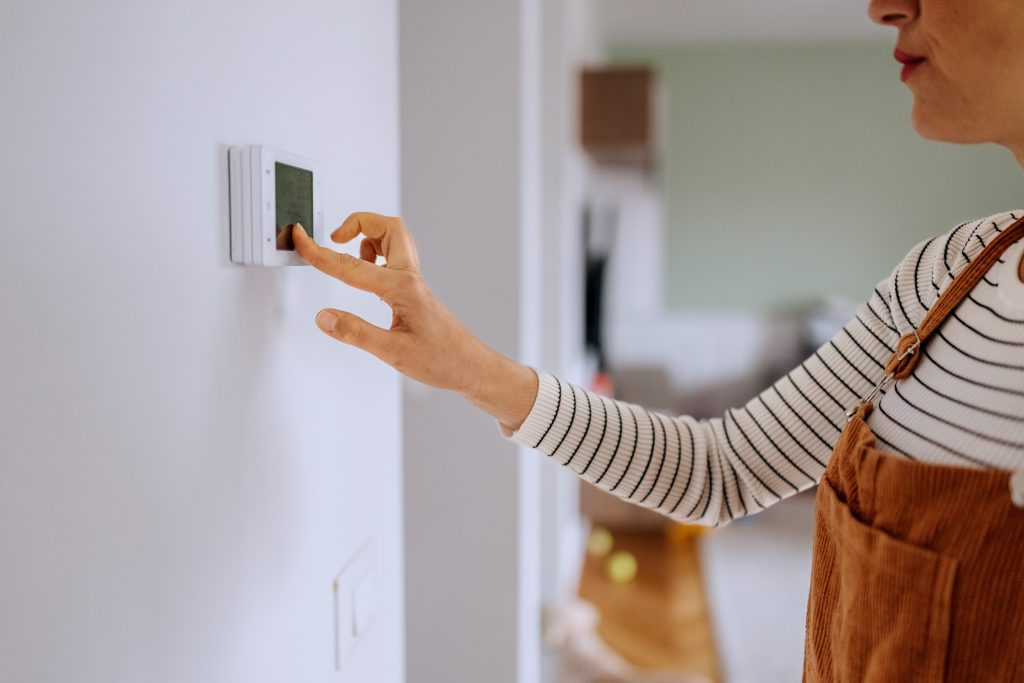
Use a programmable controller or timer to run the heating only when the house is occupied. Turn it on 30 minutes before you get up, off after everyone leaves for the day, and back on an hour before people arrive home in the evening. Leaving a gas heater in Albanvale running all day is expensive and unnecessary.
Use Zoning Intelligently
If your ducted system has zone controls, only heat the zones you’re occupying. On a weekday evening when the family is in the lounge and kitchen, there’s no need to heat the bedrooms. Close those zones and focus the system’s output where it matters. This reduces the volume of air the system is heating and allows it to reach and maintain the set temperature in occupied areas more quickly and with less run time.
Reduce Heat Loss From the Home
Draught-Seal External Doors and Windows
In Albanvale’s older housing stock, gaps under and around external doors are among the biggest contributors to winter heat loss. Cold air enters, warm air escapes, and the heating system has to run longer to compensate. Draught-sealing strips on external door bases and frames are inexpensive, widely available at hardware stores, and make an immediately noticeable difference.
A simple test: hold a lit incense stick near door and window edges on a cold windy day. If the smoke moves, you have a draught worth sealing. Draught snakes at the base of interior doors to unheated areas like garages or spare rooms reduce heat loss from those boundaries too.
Close Curtains and Blinds at Dusk
Windows are the largest source of overnight heat loss in most homes. Single-glazed windows common in Albanvale’s older homes lose heat at several times the rate of a well-insulated wall. Once the sun sets and there’s no useful solar gain to admit, close all curtains and blinds to trap the warmth inside.
During the day, open curtains on north-facing windows to admit free solar heat. This passive solar gain reduces the amount of work the heating system has to do during the day. Close all curtains at sunset to retain what you’ve accumulated.
Thermal-backed curtains perform significantly better than lightweight ones. If you’re replacing curtains in an Albanvale home, thermal lining is worth the additional cost.
Check Ceiling Insulation
Heat rises, and without adequate ceiling insulation, a significant proportion of the heat your system generates migrates directly into the roof cavity. In Albanvale’s older homes, ceiling insulation is often either non-existent, minimal by current standards, or has settled and degraded over decades to a fraction of its original performance.
Checking ceiling insulation requires a look into the roof space via the manhole. If you can see the tops of the ceiling joists with little or no insulation material between them, the home is losing heat at a high rate through the ceiling. Adding insulation to current standards is one of the highest-return investments available for Albanvale homeowners, both for winter heating and summer cooling. The cost is typically recovered within a few years in reduced energy bills.
Address Floor Draughts
Many Albanvale homes were built on suspended timber floors. Cold air enters through subfloor vents, travels up through gaps between floorboards and around pipe penetrations, and chills the floor surface significantly. Rugs on cold floors reduce the conducted heat loss underfoot and make rooms feel noticeably warmer. Sealing gaps around pipes and cables where they penetrate the floor reduces cold air infiltration from the subfloor.
Supplementary Heating for Cold Spots
Some rooms in Albanvale homes are structurally harder to heat than others. A room with a large south-facing window, no ceiling insulation, and an external wall on two sides may simply lose heat faster than the ducted system can supply it. For rooms like these, a supplementary electric panel heater or infrared heater used selectively is often more efficient than trying to make the whole ducted system work harder.
Reserve the ducted system for the common living areas and use targeted supplementary heating for bedrooms or other spaces that are genuinely difficult to heat from the central system.
Signs Your Heating System Is Being Overworked
If your heating system is struggling, it will often show signs before it fails completely. Watch for:
- The system running almost continuously without maintaining the set temperature
- Unusual smells when the heater runs, particularly a musty or burning odour
- New or changed noises during operation: rattling, banging at startup, or grinding from the blower
- Uneven heating, with some rooms warming adequately and others staying cold
- Gas or electricity bills that have increased significantly compared to previous winters without a change in usage habits
- The system shutting down mid-cycle and restarting repeatedly
Conclusion
Any of the signs above is worth a professional assessment before the system fails entirely in the middle of July. New Image Heating & Cooling services heating systems across Albanvale and West Melbourne. Call 0468 125 098 to book.
Frequently Asked Questions
How do I know if my heating system is oversized or undersized for my Albanvale home?
An undersized system runs continuously without reaching the set temperature, particularly on cold days. An oversized system heats the space near the thermostat very quickly, cuts out, and leaves other rooms cold — a pattern known as short cycling. Both indicate a mismatch between system capacity and the home’s heating load. A technician can assess this with a load calculation and give you an honest answer.
Is it cheaper to leave the heating on low all day or turn it off and reheat when I get home?
In a well-insulated home, turning the heating off when the house is empty and reheating on return is typically more efficient. In a poorly insulated Albanvale home that loses heat quickly, the answer is less clear. A programmable timer that turns the heating on an hour before you arrive home is usually the best compromise, eliminating the energy cost of heating an empty house while avoiding the high energy demand of reheating a very cold one.
My Albanvale home has gas ducted heating but some rooms are always cold. What’s causing it?
The most common causes are blocked or closed vents in the affected rooms, duct leaks allowing warm air to escape into the ceiling cavity before reaching those rooms, a filter blockage reducing overall system airflow, or the rooms themselves having higher heat loss due to poor insulation or single-glazed windows. A technician can check duct condition, airflow at each register, and filter condition to identify the specific cause.
How much does draught-sealing actually help with heating costs?
Draught sealing is one of the highest-return investments available for heating efficiency. In older Albanvale homes with significant gaps under doors and around windows, draught sealing can reduce heating energy consumption by 10 to 20 percent. The materials cost very little and the installation is straightforward for most external doors. Combined with closing curtains at dusk and cleaning filters regularly, draught sealing is among the first steps worth taking before spending money on system upgrades.
When should I have my gas heater serviced?
Once a year, ideally in March or April before the heating season begins. This allows any issues found during the service to be addressed before you need the system daily. For homes with elderly residents or young children, or for systems more than ten years old, twice-yearly servicing is worthwhile. The carbon monoxide check included in a professional gas heating service is a health safeguard that cannot be replicated by homeowners themselves.