
Damaged ductwork is one of the most common and most underdiagnosed problems in ducted heating systems in Melton and Bacchus Marsh. Research consistently shows that residential duct systems can lose 20 to 30 percent of heated air into ceiling cavities before it ever reaches the rooms it was intended for. Your system is working. You’re paying the gas bill. But a significant portion of the heat you’re generating is disappearing into your roof space rather than warming your home.
The challenge is that duct damage is largely invisible from inside the rooms. You can’t see it from the living areas, and most homeowners have no reason to inspect their roof cavity. But there are tell-tale signs that point directly to duct issues without requiring anyone to climb into the roof. Knowing what to look for means you can catch problems early, before they become expensive to fix and before another winter passes with your family paying for heat that never arrives.
How Duct Damage Develops
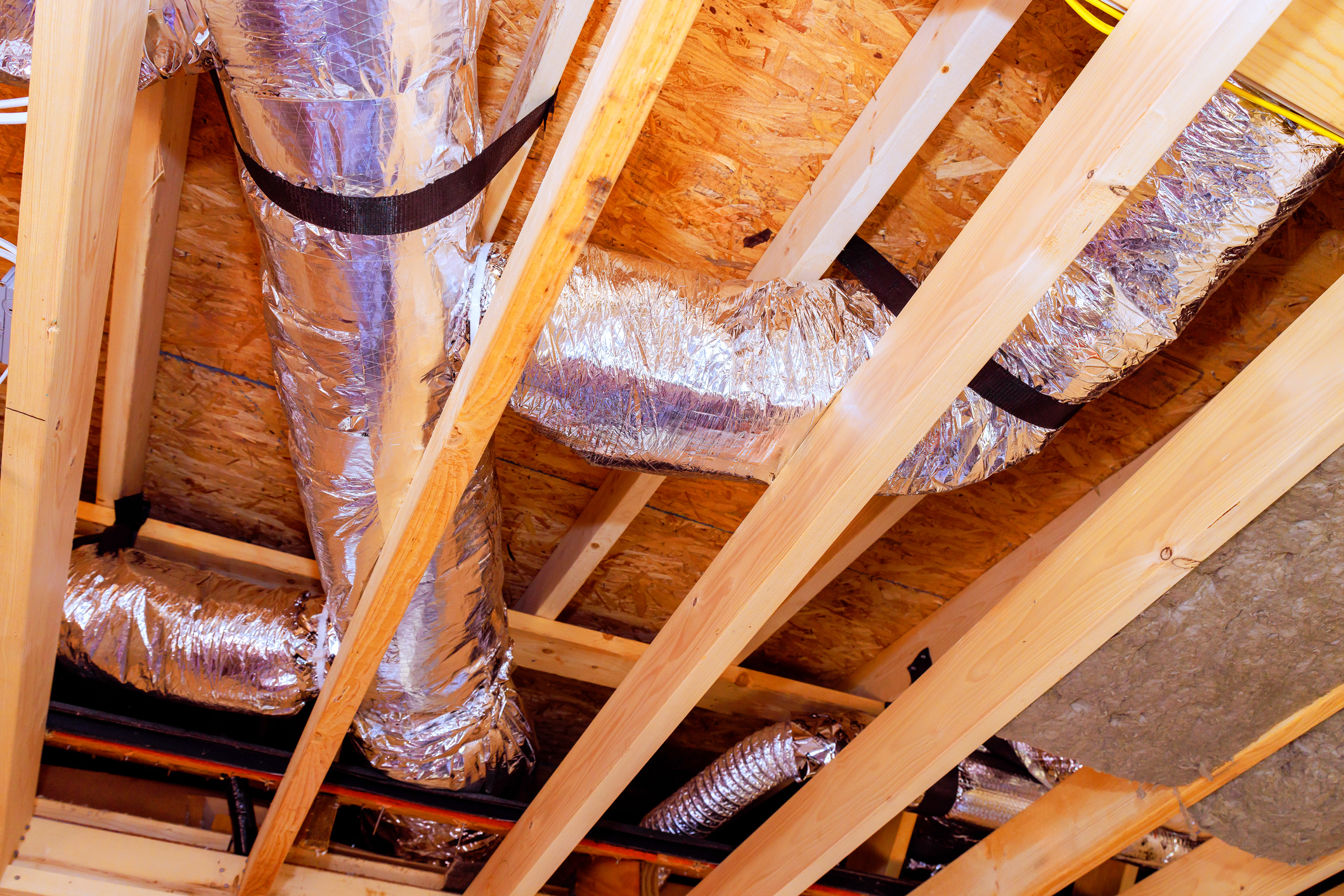
Flexible duct material used in most residential systems consists of three layers: an inner liner, insulation, and an outer protective jacket. Over time, the connections at duct joins, the fittings at each outlet, and the duct material itself can deteriorate in ways that aren’t visible from living areas. Understanding the most common causes helps you know what to look for and when to call in a professional.
Common causes of duct damage in Melton and Bacchus Marsh homes include:
- Age-related material degradation: Flex duct material breaks down over time, particularly in systems more than ten years old. The inner liner becomes brittle, the jacket cracks, and the connection points weaken.
- Trade damage from roof cavity access: Solar panel installers, electricians, plumbers, and NBN contractors working in the roof space regularly disturb duct runs. A dislodged duct that isn’t reconnected properly can haemorrhage heated air for years before the homeowner notices.
- Insufficient sealing at installation: Duct connections that were never adequately sealed work loose over years of thermal expansion and contraction.
- Pest damage: Rodents and birds nesting in or around duct runs can tear through the outer jacket and inner liner, creating holes that dump heated air directly into the roof space.
- Crushing and kinking: Heavy foot traffic in the roof cavity or building settlement can crush flexible duct runs, severely restricting airflow to affected rooms.
- Connection failure at outlet fittings: The joint between the flexible duct and the ceiling outlet fitting is a common failure point, especially in older installations where the connection was made with standard duct tape that has since failed.
What Are the Signs That Your Heating Ducts Are Damaged?
Most duct problems announce themselves through performance symptoms that you’ll notice from inside the house. Each of the following signs points toward specific types of duct failure. Identifying which symptoms apply to your situation helps a technician target the inspection more efficiently.
1. Rooms That Won’t Reach the Set Temperature
If specific rooms consistently fail to reach a comfortable temperature despite the system running for extended periods, duct leaks along those duct runs are a likely cause. Key indicators include:
- The problem rooms are typically those furthest from the furnace, at the end of long duct runs
- Rooms closer to the furnace heat perfectly while distant rooms stay cold
- The system runs continuously without the thermostat ever reaching the set temperature
- The issue appeared gradually rather than suddenly — pointing to progressive duct deterioration rather than a sudden breakdown
2. Higher Than Expected Gas Bills
A heating system with significant duct leaks works longer and harder to deliver the same result, consuming more gas in the process. Signs that gas bills are being inflated by duct problems include:
- Winter gas bills have increased noticeably year on year without any change in usage habits or occupant numbers
- The system seems to run more frequently or for longer cycles than it used to on similar-temperature days
- Your bills are significantly higher than neighbours in comparable homes with comparable systems
- The increase appeared around the same time you noticed rooms were harder to heat
In Melton and Bacchus Marsh homes where ducted heating runs heavily through winter, the gas cost of significant duct leaks can add hundreds of dollars to seasonal bills. Sealing those leaks is not just a comfort fix — it’s a financial one.
3. Weak Airflow From Specific Vents
Noticeably weaker airflow from certain ceiling vents compared to others is a strong indicator of a duct problem. To assess this properly:
- Hold your hand below several vents while the system is running and compare the airflow strength
- Note which specific rooms or vents are underperforming and which are normal or strong
- Check whether the weak vents are all in the same area of the house — pointing to a single duct run problem rather than multiple failures
- Confirm the zone controlling those vents is set to open and that the damper is functioning
If one vent delivers strong airflow and a nearby room’s vent delivers almost nothing, something is interrupting the duct run between the furnace and the weak vent. This warrants a roof cavity inspection.
4. Dusty or Unusual Air From Vents
If the air coming from ceiling vents carries noticeably more dust or debris than usual, it suggests a duct has developed a hole or disconnection that allows unfiltered roof cavity air to bypass the system’s filter and enter the duct stream directly. Warning signs include:
- A visible dust plume from ceiling vents when the system first starts up
- Fine grey or brown particles settling on furniture and surfaces directly below vents
- A musty or earthy smell from the vents, which can indicate roof insulation fibres or pest debris entering the duct
- Increased allergy or respiratory symptoms in household members during heating season
Roof cavity air contains insulation fibres, accumulated dust, and occasionally rodent debris. When this enters your living space through a duct breach, it’s both an air quality issue and a health concern — particularly for children, the elderly, and anyone with respiratory conditions.
5. Uneven Temperatures Between Rooms
Where some rooms heat well and others don’t despite the system running consistently across the whole house, the imbalance often points to duct issues in specific runs. To differentiate duct problems from zone setting issues:
- Confirm the zone controller is correctly set for the underperforming rooms — rule out controller error first
- Check whether the damper for the affected zone is physically opening when commanded (a technician can verify this)
- If the zone settings and damper are both correct and the room still doesn’t heat, the duct run serving it is the likely problem
- Note the pattern: rooms at the far end of long duct runs, or rooms that were added during a house extension, are most vulnerable to this symptom
6. The System Runs Constantly Without Satisfying
A system that runs all day without reaching the set temperature on days that previously caused no problems is a key signal. This symptom suggests the system is working — generating heat — but that heat is not being delivered to the living spaces efficiently. Things to check:
- Confirm the filter is clean — a blocked filter reduces system airflow overall and can mimic duct symptoms
- Compare current performance to last winter: if performance deteriorated between seasons without any change in usage, new duct leaks are a strong possibility
- Check whether the furnace itself is functioning normally (consistent ignition, stable flame) to rule out burner or heat exchanger issues before focusing on ductwork
- Note the outdoor temperature on days the system struggles: if it is performing similarly to previous winters when conditions were the same, the problem likely developed during the intervening period
7. Sounds of Air Movement in the Ceiling
If you can hear air movement, rushing sounds, or whistling from the ceiling cavity rather than only at the vents themselves, heated air is escaping into the roof space through duct leaks. Specific things to listen for:
- A rushing or whooshing sound from ceiling areas between vents, particularly in the ceiling over hallways
- Whistling from light fittings or ceiling gaps, as pressurised air from a duct leak finds exit points through the ceiling plaster
- Sound that increases when the system’s fan speed is set higher, consistent with more air escaping under greater pressure
- Sound that appears suddenly where it was not present before — suggesting a recent duct disconnection rather than gradual deterioration
What a Duct Inspection Involves
A professional duct inspection is more thorough than a homeowner’s visual check from a manhole and covers every section of the duct system systematically. Here is what a heating and cooling specialist in Melton does during a proper duct assessment:
- Full roof cavity access: Every duct run is physically inspected from the furnace manifold to each outlet fitting — not just the sections visible from the manhole
- Visual inspection for disconnections, tears, and crushing: Obvious failures that can be identified and often repaired in the same visit
- Connection quality check at each outlet fitting: The joint between flex duct and ceiling vent is a common failure point and is inspected on every duct run
- Manifold inspection: The connections at the furnace end of each duct run are checked for looseness or leakage
- Pest and debris assessment: Evidence of pest activity in or around ducts is noted and reported to the homeowner
- Sealing or repair where feasible: Many duct leaks can be sealed using appropriate mastic compound or purpose-rated foil tape during the same inspection visit
- Replacement recommendation where warranted: When duct material has deteriorated beyond practical repair, the technician advises on targeted section replacement or full system replacement depending on the extent of damage
What Happens If You Ignore Damaged Ducts?
Leaving duct problems unaddressed is not simply a comfort issue. The consequences compound over time in ways that affect both your finances and your home:
- Escalating gas bills: A system working harder to overcome duct losses costs more to run every single day of winter. Over a full heating season in Melton or Bacchus Marsh, the cumulative cost of significant duct leakage can exceed the cost of a duct repair several times over
- Accelerated furnace wear: A furnace that runs longer cycles to compensate for heat loss wears its heat exchanger, burner components, and blower motor faster than a furnace delivering heat efficiently
- Worsening air quality: Duct breaches that draw roof cavity air into the living space deliver accumulated dust, insulation fibres, and pest debris into the air your family breathes every day
- Progressive duct deterioration: A small tear becomes a larger one. A loose connection becomes a full disconnection. Early-stage duct problems that cost little to seal become whole-run replacements if left until the material has degraded significantly
Conclusion
Dealing with uneven heating, rising gas bills, or vents that simply don’t perform the way they used to? These are not problems you have to put up with, and they are rarely signs that you need a full system replacement. In most cases, targeted duct repairs deliver dramatic improvements at a fraction of the cost of a new system.
New Image Heating & Cooling includes duct condition inspection as a standard part of thorough service calls. Our technicians know these suburbs, understand the local housing stock, and carry the materials to seal and repair common duct issues on the same visit. If you’re experiencing any of the symptoms described above and haven’t had your ductwork professionally assessed recently, don’t wait until next winter to act.
Call 0468 125 098 or submit our online form to book your duct inspection today. Book before noon for guaranteed same-day service. Honest diagnosis, upfront pricing, and workmanship you can rely on from your local heating and cooling specialists in Bacchus Marsh and Melton.
Frequently Asked Questions
How common are duct leaks in older homes?
Very common. Homes built before 2000 in Melton and Bacchus Marsh that haven’t had their duct system inspected or replaced are highly likely to have significant duct leakage. Original flex duct material degrades over time, and any roof cavity access for other trades — solar installers, electricians, plumbers — increases the risk of duct disturbance. If your system is more than 10 years old and has never had a duct inspection, it’s worth prioritising.
Can I check my ducts myself?
You can do a basic check of the sections of ductwork visible from the manhole — look for obvious disconnections, tears, or crushed sections. However, a proper assessment requires a technician to systematically inspect every duct run in the roof cavity, check connection quality at all outlet fittings, and inspect the manifold connections at the furnace. Homeowner visual inspection from the manhole covers perhaps 10 to 15 percent of the total duct system. It’s a useful starting point, but not a substitute for a professional assessment.
How much does duct repair or replacement cost?
Minor duct sealing for isolated leaks at connection points is a modest repair cost. Reconnecting a disconnected section adds a small amount to that. Replacing a degraded section of flex duct is more involved but still a fraction of a full system replacement. Full duct system replacement is a more significant investment but is often the right economic decision when duct material has deteriorated extensively across multiple runs. New Image Heating & Cooling provides upfront pricing on all duct work. Call 0468 125 098 for a no-obligation assessment.
Will sealing duct leaks reduce my gas bills?
Yes, meaningfully so. Sealing significant duct leaks ensures the heat your furnace generates is delivered to the rooms you’re trying to heat rather than the roof space. The energy savings from addressing substantial leakage can offset the repair cost within a single heating season in many cases, and certainly within one to two seasons in most Melton and Bacchus Marsh homes where the heating system runs heavily through winter.
When should ducts be replaced rather than repaired?
When flex duct material has deteriorated to the point of widespread degradation — multiple disconnections, significant pest damage, serious crushing affecting several sections, or material that crumbles when touched — replacement is typically more cost-effective than attempting to seal numerous individual failures. A technician can assess your specific duct system and give you an honest recommendation on whether repair or replacement represents better value for your situation.
How often should ducted heating systems be inspected?
An annual service before the start of the heating season is the standard recommendation for ducted gas heating systems. This service should include a check of duct condition, not just the furnace and filter. If your system has never had a duct-specific inspection, or if you’ve had other tradespeople working in your roof cavity in the past few years, a dedicated duct assessment is worth booking regardless of how recently the furnace itself was serviced.



