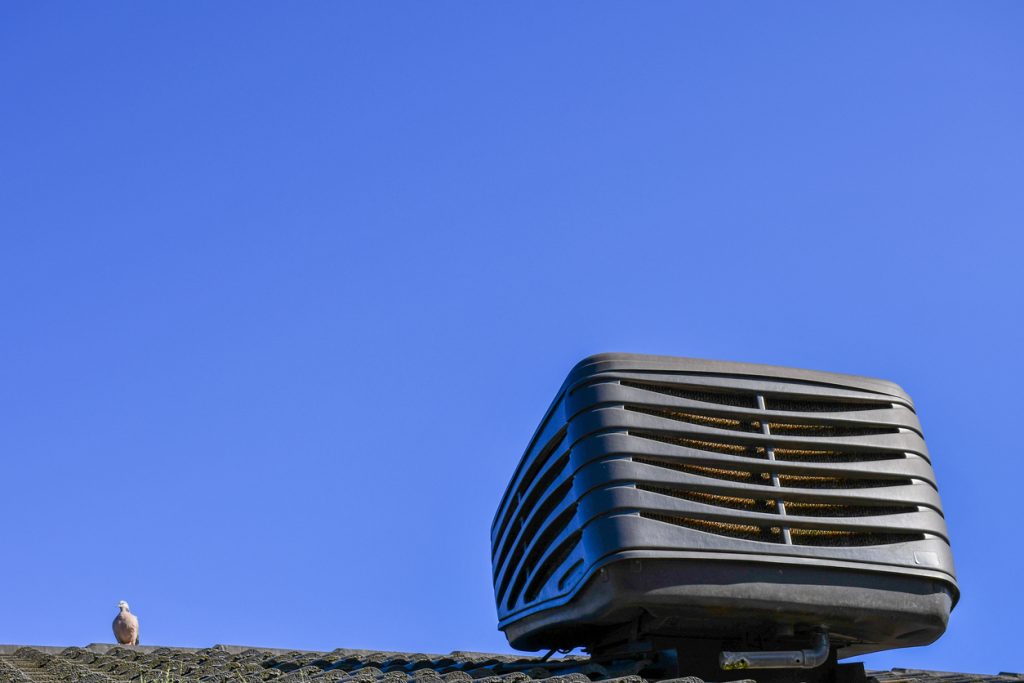
Delahey is an established suburb in Melbourne’s western corridor with a mix of homes from various eras of construction. Weak airflow from a ducted system in West Melbourne is one of the most common issues reported by homeowners, and it’s one that often develops gradually, so gradually that many homeowners don’t notice how much performance has dropped until a technician measures it properly. Here’s a clear guide to the most common causes and what needs to happen to restore proper airflow.
Start With the Filter — Every Time
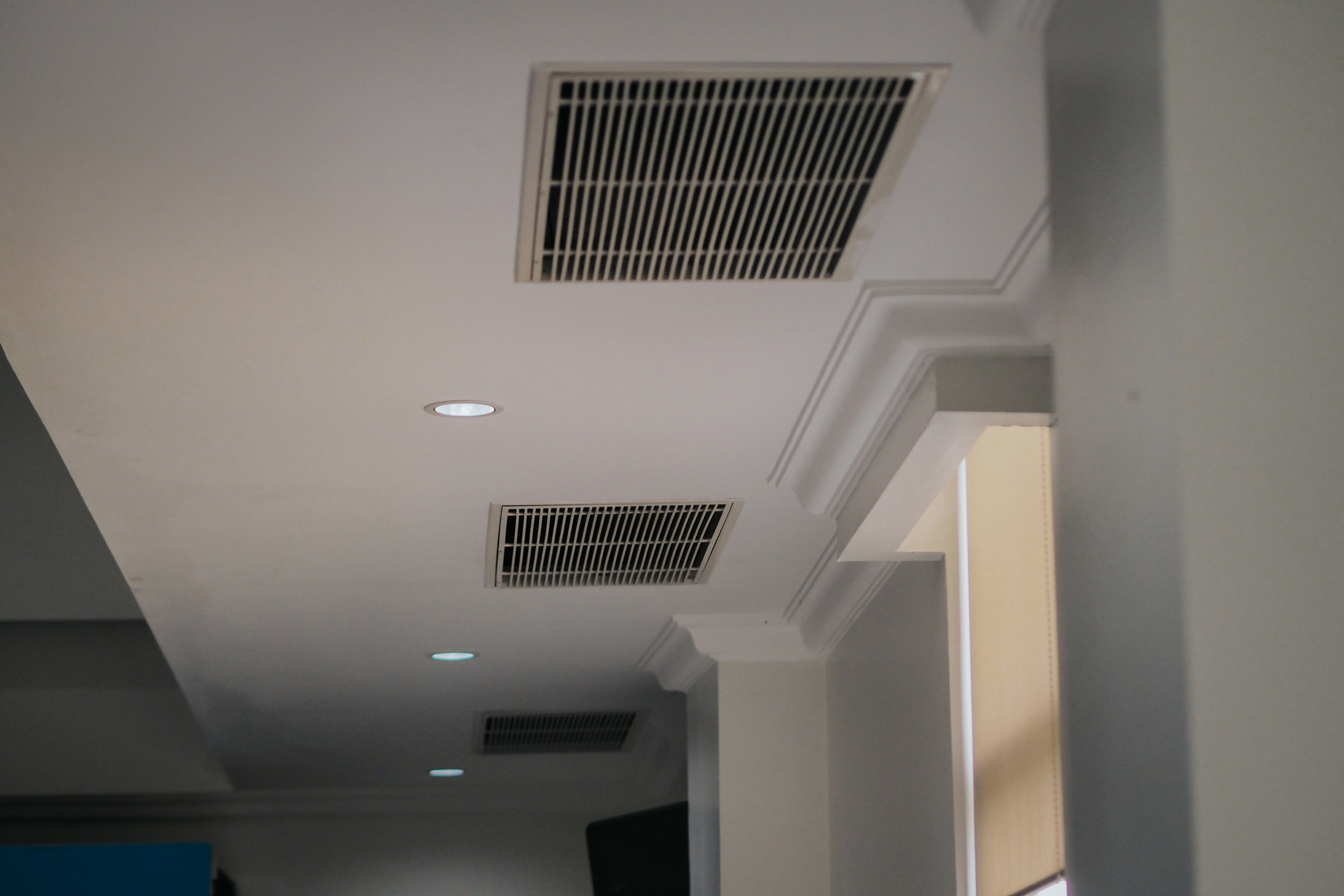
Before investigating anything else, check the return air filter. It sits in the large grille, typically in the hallway ceiling, and catches dust, pet hair, and airborne particles before they reach the furnace or indoor unit. When it becomes heavily clogged, the blower has to work against significant resistance — and significantly less air makes it through the system to the outlet vents.
Hold it up to the light. If you can’t see through it clearly, it’s overdue for a clean. Remove it, rinse it under running water from the back face outward, allow it to dry completely, and reinstall. If airflow improves noticeably, a dirty filter was the problem. In Delahey’s established suburbs, filters in homes with pets or near ongoing construction activity can clog within four to six weeks of regular use.
Other Common Causes of Weak Airflow in Delahey Systems
1. Collapsed, Kinked, or Disconnected Flex Duct
Flexible ductwork in the roof cavity can collapse, kink, or disconnect at joints over time. A section of duct that’s been crushed by someone accessing the roof cavity for solar panel installation, electrical work, or other trades can significantly restrict or completely stop airflow to the rooms it serves. In Delahey’s older homes where original flex duct is reaching 15 to 25 years of age, material degradation can also cause partial collapse without any physical disturbance. If weak airflow is confined to specific rooms rather than the whole house, a duct fault in the run serving those rooms is a likely cause.
2. Blower Motor Running Below Rated Speed
The blower motor drives all airflow through the duct system. When bearings wear out, the motor capacitor fails, or the motor itself degrades, it may still run but at reduced speed and reduced output. The system sounds like it’s operating normally, but the air volume delivered is lower than it should be. This typically manifests as reduced airflow at all vents simultaneously rather than isolated to specific rooms. A technician can measure motor speed and current draw to confirm whether the blower is delivering its rated output.
3. Faulty or Stuck Zone Dampers
Motorised zone dampers inside the ductwork regulate airflow to each zone. When a damper fails in a partially or fully closed position, the zone downstream receives restricted airflow even when the zone controller shows it as active. If weak airflow is limited to one specific zone while other zones have normal airflow, a stuck damper is a strong candidate. Damper faults are diagnosable during a service call and are straightforward to repair or replace.
4. Dirty Evaporator or Heat Exchanger Reducing Airflow
Over time, fine particles bypass the filter and accumulate on the evaporator coil (in air conditioning systems) or heat exchanger (in gas heating systems). A heavily coated surface reduces airflow through the unit, forcing the blower to work harder for less output. If the system hasn’t had a professional service including coil or heat exchanger cleaning in several years, this may be contributing to reduced airflow across the whole system. Regular annual servicing prevents this buildup from reaching the point where it causes noticeable performance reduction.
5. Undersized Duct Outlets for the Room
If specific rooms have always received less airflow than others, and this hasn’t changed over time, the issue may be in the original duct design rather than a developing fault. Undersized duct outlets for a room’s volume, or a duct layout that doesn’t distribute airflow evenly, can create permanent imbalances. This is more common in Delahey’s older homes where rooms have been converted to different uses after the duct system was installed, or where additions changed the floor plan without updating the duct network.
6. Duct Leaks Losing Air Before It Reaches Vents
Duct leaks allow heated or cooled air to escape into the ceiling cavity before reaching the room vents. The system runs and the blower is working, but a proportion of the conditioned air never arrives at the rooms. This can produce the sensation of weak airflow at the vents even when the blower is operating normally. Rooms at the end of longer duct runs are most affected. A duct inspection identifies where the losses are occurring, and most leaks can be sealed with appropriate sealant.
Conclusion
Weak airflow from your ducted heating or cooling system can have several causes. Checking the filter is a good first step, but persistent uneven airflow needs a professional inspection to identify the problem and prevent further loss of performance.
If your ducted system is not delivering the airflow it should, New Image Heating and Cooling in Delahey can inspect the system, identify the cause and recommend the appropriate repair. Call 0468 125 098 to book a service or you can also submit our online form.
Frequently Asked Questions
Why is there weak airflow from all vents in my home?
If airflow is reduced across all vents simultaneously, the cause is typically in the central system rather than a specific duct run. Check the filter first. If it’s clean, blower motor performance or a heavily soiled coil or heat exchanger are the next most likely causes. A service call will identify which component is restricting overall system output.
Why is airflow weak in just one room in my home?
Weak airflow isolated to one room or zone typically indicates a problem in the duct run or damper serving that area — a duct disconnection, kink, collapse, or stuck damper. The issue is upstream of that room’s vent. A roof cavity inspection of the relevant duct run identifies the cause.
Can I fix weak airflow from my ducted system myself?
You can clean the filter yourself — this is the most impactful homeowner maintenance task and should be done first. Beyond filter cleaning, diagnosing the cause of weak airflow requires assessing the blower, duct condition, and damper operation, which typically requires a technician with access to the roof cavity and diagnostic tools.
How much does it cost to fix weak airflow in a ducted system?
Costs depend entirely on the cause. A filter clean costs nothing. A capacitor replacement is a modest repair. Duct section replacement or extensive duct sealing is more involved. New Image Heating & Cooling provides upfront quotes before any work begins. Call 0468 125 098.
My ducted system airflow has gradually reduced over the past few years. What’s happening?
Gradual reduction in airflow over time is typically caused by filter neglect allowing the filter to become progressively more clogged, accumulation on coils or heat exchangers, or slow development of duct leaks or a blower motor with wearing bearings. Any of these causes can be identified and addressed during a service call.