
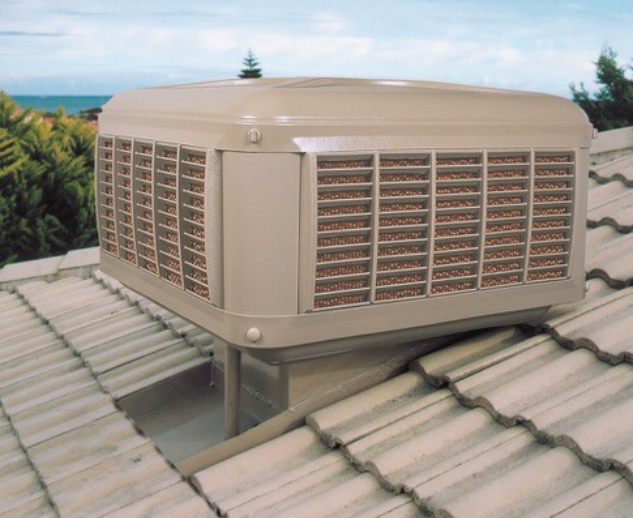
A smell coming from your evaporative cooler in Melton is one of the most common complaints homeowners raise after opening the system for the first time each summer, or during a season when the system hasn’t been properly serviced. It’s tempting to dismiss it as a quirk of the technology, but that’s the wrong response. An evaporative cooler circulates air through the entire home continuously during operation, whatever is producing the smell is being distributed into every room, including bedrooms and living areas where your family spends the most time.
The smell is almost never harmless. In most cases it indicates biological growth somewhere in the system, and the right response is to identify and address the source, not mask it with air fresheners and keep running the unit. This guide covers every type of smell you might notice, what causes each one, and the appropriate fix — whether that’s something you can handle yourself or something that needs a heating and cooling specialist in Melton on-site.
The Brief Dusty Smell at Season Start
When you run the evaporative cooler for the first time after winter, a brief dusty or slightly stale smell for the first 15 to 30 minutes of operation is normal and doesn’t indicate a problem. During the idle months, dust settles on the blower wheel, the heat exchanger surfaces, and the duct interiors. When the fan first runs, this dust circulates before being carried out through the exhaust windows. It should clear within half an hour with windows open.
- Open several windows at season startup to help the initial dust flush through the home quickly.
- Run the system on fan-only mode for 15 minutes before switching to cooling mode — this clears loose dust before the water system activates.
- If the dusty smell persists beyond the first startup session, or if it recurs every time the system runs, there is accumulation inside the unit that needs professional cleaning, not just a filter rinse.
- A smell that returns each day after the system sits idle overnight is not the same as a startup smell — that pattern indicates ongoing biological growth rather than simple dust, and it needs a different response.
Musty, Mouldy, or Earthy Smell
This is the most common evaporative cooler complaint, and it has a specific cause: biological growth inside the unit or in the ductwork connected to it. The conditions inside an evaporative cooler during and after operation are near-ideal for mould and mildew. There is moisture, warmth, organic material in the form of accumulated dust and pad material, and regular idle periods. The musty smell is the odour of mould and bacterial colonies that have established themselves somewhere in the system. In Melton and Bacchus Marsh where systems run hard through long summers, this is a genuine and recurring risk without proper seasonal maintenance.
Mould on the Cooling Pads
Old or partially degraded cooling pads that retain moisture after the system shuts down are particularly prone to mould growth. The organic material in cellulose-based pads provides a nutrient base for mould once the structural integrity of the pad starts to break down.
- Pads that have been in service for more than two seasons are significantly more likely to carry mould than pads replaced recently.
- A pad that smells when you remove it from the unit is already significantly mould-affected. It needs replacement, not rinsing.
- Pads that weren’t properly dried at the end of the previous season — either by leaving the pump running while the water supply was cut, or by removing pads for winter storage — are especially prone to mould establishing itself in the off-season months.
- Even visually intact pads can carry significant mould — the growth is often within the internal structure of the pad material, not just on the surface.
Mould and Algae in the Water System
The water reservoir and distribution system provide the right conditions for algae and bacteria to thrive, particularly when water sits stagnant during idle periods. This is one of the most common sources of musty and earthy odours from evaporative systems.
- Greenish or dark deposits on the distribution tray, the reservoir walls, or the float valve assembly indicate algae or bacterial growth that is actively producing odour.
- A reservoir that hasn’t been drained and cleaned at the end of the previous cooling season will have stagnant water sitting in it through winter. This creates ideal conditions for biological growth to establish before the system even runs for the first time the following summer.
- The fan then distributes the odour from this growth through every duct and into every room in the home from the moment the system is switched on.
- Draining the reservoir at the end of summer and allowing it to fully dry before winter is the single most effective way to prevent this source of odour establishing itself over the off-season.
Contamination in the Ductwork
In older homes across Melton and Bacchus Marsh where flexible duct material may be ageing or where the system has operated for many years without the ductwork being inspected, mould can establish itself inside the duct runs themselves. This is a harder problem to address than contamination in the evaporative unit itself.
- If the musty smell is consistent across all vents in the home and persists even after the evaporative unit itself has been cleaned and new pads fitted, the contamination is likely in the ductwork rather than the unit.
- Older flexible duct material with degraded inner lining provides more surface area for mould to establish than newer duct material.
- Duct contamination may require a separate duct cleaning service using appropriate equipment to access the interior of the duct runs — this is distinct from servicing the evaporative unit itself.
- In some cases where duct material is significantly degraded, replacement of affected sections is more practical than cleaning, and delivers better long-term results.
Burning or Hot Electrical Smell
A burning smell from an evaporative cooler is a more serious concern than a musty odour and warrants immediate action. Don’t try to run through it or wait and see if it clears — a burning smell from a heating component or electrical fault will get worse with continued operation, not better.
- Motor bearing running dry. A bearing that has lost lubrication generates significant friction heat that can cause the bearing housing and surrounding components to overheat, producing a burning or hot metallic smell. The motor will eventually seize if this isn’t addressed.
- Electrical insulation overheating. Wiring insulation that’s degraded due to age, rodent damage, or an electrical fault can overheat and produce a sharp burning smell. This is a fire risk and the system should be turned off immediately at the isolator switch, not just at the controller.
- Belt-drive systems with a worn or slipping belt. On belt-drive models, a worn, cracked, or slipping belt produces friction heat that creates a burning rubber smell. Belt replacement is a straightforward repair, but the slipping belt can also stress the motor shaft if the belt is too tight.
- Dust burning off at season start. On the very first startup of the season, a faint burning smell as accumulated dust burns off internal surfaces is not uncommon and typically clears within a few minutes. If the burning smell is strong, persistent, or accompanied by visible smoke, turn the system off immediately.
Fishy or Chemical Smell
A fishy or chemical smell from an evaporative cooler is less common than musty or burning odours, but it does occur and has specific causes that are worth understanding.
- Over-applied water treatment product. Water treatment tablets and biocides added to the reservoir in excess of the recommended dose can produce a chemical smell that the fan distributes through the home. If you’ve recently treated the water system, run the system for a full cooling cycle with the windows open — the smell should dissipate as the treatment concentration reduces through the bleed-off cycle.
- Degradation of synthetic pad material. Some synthetic pad types can produce a chemical or slightly fishy smell as the material begins to degrade, particularly on first use or when exposed to high water temperatures. This usually clears after the first few hours of operation but if it persists, the pads may need replacing.
- Electrical component overheating. Certain electrical components produce a fishy or chemical smell when they fail or overheat — this is worth checking if the smell is persistent and you can’t attribute it to water treatment. It can indicate a failing capacitor or relay.
- If the smell doesn’t dissipate after a full cooling cycle with fresh water, call a technician to inspect the unit before continuing to operate it.
Can You Fix It Yourself?
For a musty smell at the very start of the season, there are several DIY steps worth trying before calling a technician. These address the most common surface-level causes and are straightforward for most homeowners to carry out.
- Drain the reservoir completely and scrub the base and walls with a mild disinfectant solution to remove biological deposits. Rinse thoroughly before refilling.
- Inspect the distribution tray and outlets for algae or bacterial deposits — scrub clean and rinse.
- Rinse the cooling pads with fresh water from a hose to remove surface dust and loose deposits. If the pads smell when you handle them, they need replacing, not rinsing.
- Run the system for a full cooling cycle with fresh water and windows open, and assess whether the smell is gone after an hour of operation.
- If the smell persists after these steps, the contamination is deeper than surface growth — in the pad material, the blower wheel, or the ductwork — and needs professional cleaning.
The Right Fix: Professional Service With Proper Cleaning
A professional service that properly addresses odour from an evaporative system is more thorough than a basic pad swap and reservoir rinse. The right service covers every surface where biological growth can establish itself and every component where it can recur.
- Pad replacement with quality cellulose pads that provide uniform water distribution and maximum evaporative surface area.
- Reservoir cleaning and disinfection using appropriate biocide products that remove established biological growth and inhibit regrowth.
- Distribution tray cleaning to remove scale and biological deposits that restrict water flow and contribute to odour.
- Blower wheel cleaning where accumulated dust and debris on the wheel is contributing to odour — the blower draws air through the pads and any contamination on the wheel is distributed through the duct system.
- Duct inspection to determine whether contamination has extended into the duct system and whether a separate duct cleaning service is warranted.
Consumer-grade biocide tablets in the water supply suppress some biological growth in the reservoir and distribution system, but they don’t remove established contamination from pad material, blower wheel surfaces, or duct interiors. They’re a useful maintenance addition between professional services, not a substitute for them.
Conclusion
Running a musty-smelling evaporative cooler distributes mould spores and bacterial particles through the home with every cycle. For most healthy adults this is an irritant — for children, elderly residents, and anyone with asthma or respiratory sensitivities, it’s a genuine health concern. Masking the smell with air fresheners or running the system on high for a few hours doesn’t solve the underlying contamination — the biological growth continues, the smell returns, and the air quality in your home remains compromised.
The fix is thorough cleaning of every affected surface in the system, replacement of any components that can’t be cleaned to an acceptable standard, and appropriate treatment to prevent rapid regrowth. That’s what a proper evaporative cooling service delivers — and it’s the only approach that actually resolves the problem rather than delaying it.
New Image Heating and Cooling in Bacchus Marsh and Melton services evaporative cooling systems, including thorough cleaning services for systems with persistent odour issues. We identify the source of the smell accurately and fix it properly — not just spray deodoriser and move on.
Call 0468 125 098 or submit our online form today. Book before noon for same-day availability. Your family deserves clean air, not a system that’s making it worse.
Frequently Asked Questions
Is it safe to run an evaporative cooler that smells musty?
Running a musty-smelling evaporative cooler distributes mould spores and bacterial particles through your home with every cycle. This is a genuine air quality concern, particularly for households with children, elderly residents, or anyone with asthma or respiratory sensitivities. The system should be cleaned and the source of the smell identified and addressed before regular use continues.
Why does my evaporative cooler only smell at the start of summer, not through the whole season?
A smell only at season start is usually caused by biological growth that developed in the idle reservoir or on the pads during winter. Once the system runs for a day or two with fresh water circulating, the growth disperses. This is a sign the system needs better winterisation — draining the reservoir completely at the end of the season — to prevent the problem from recurring each year.
Will replacing the pads fix the smell?
If the smell is coming from deteriorated or mould-affected pads, yes, replacing the pads will address that specific cause. However, if the reservoir, distribution system, or ductwork is also contaminated, pad replacement alone won’t eliminate the smell entirely. A thorough service that addresses all potential sources is more reliable than replacing pads in isolation.
Can biocide tablets in the water prevent smells?
Water treatment tablets can reduce algae and bacterial growth in the reservoir and water system, which helps prevent the biological odours that develop in stagnant water. They’re a useful preventive measure but are not a substitute for physical cleaning of the reservoir and distribution system, and they don’t address mould that’s already established in pad material or ductwork.
Why does my evaporative cooler smell worse when it first starts up each day?
When the system sits idle overnight, moisture remaining in the unit continues to support biological activity in the dark, warm environment inside. The concentrated overnight growth produces the strongest odour at startup, which then disperses somewhat as fresh air and water circulate. This start-up smell getting worse over time is a reliable sign that the system needs a professional clean — it won’t resolve on its own.



