
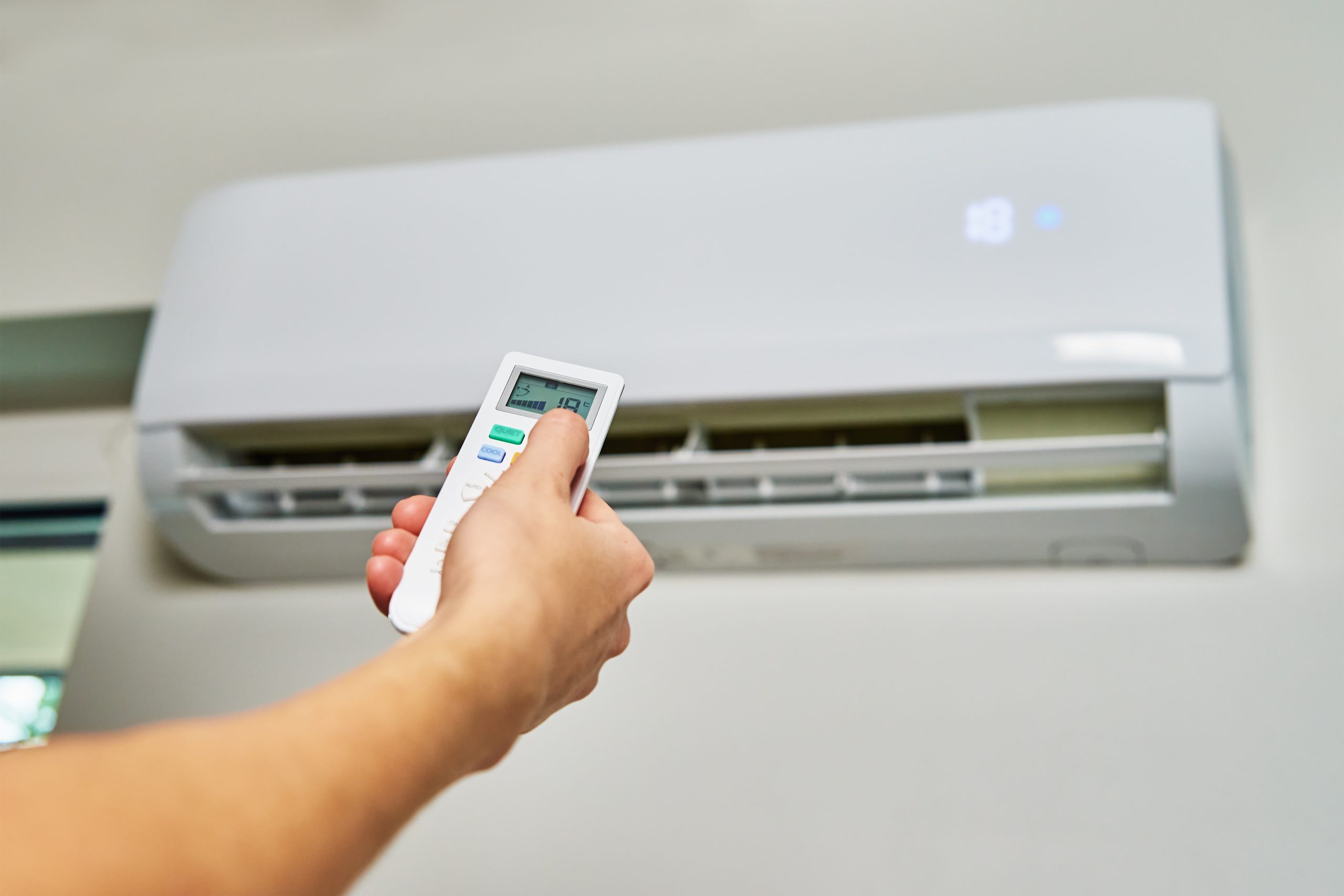
Choosing the right air conditioner Melton is not simply a matter of picking the biggest unit or the best-known brand. In West Melbourne, where summers are long and hot, winters can be surprisingly cold, and dry north winds make the heat feel even more intense, the right system is one that is matched to your specific home, lifestyle, and local climate conditions.
This guide walks through the key factors to consider, the most common system types available for western suburbs homes, and what to look for when making a decision that will affect your comfort and energy costs for the next 10 to 15 years.
Understanding Your Climate
Melton and Bacchus Marsh sit inland from Melbourne, which means they experience a more extreme version of Melbourne’s already variable climate. Summer days regularly reach 38 to 42 degrees, and the area is prone to prolonged heatwaves. Unlike coastal Melbourne, which gets some relief from sea breezes, inland western suburbs homes often retain heat well into the evening.
Winters are genuinely cold, with overnight temperatures frequently dropping to 4 to 7 degrees between June and August. This means an air conditioning system that only cools is not sufficient — heating performance matters just as much for year-round comfort.
Humidity is generally lower than in coastal or tropical areas, which has specific implications for system selection. Evaporative cooling works particularly well in dry conditions, while refrigerated systems are effective regardless of humidity.
What Factors Should You Consider Before Choosing a System?
Before looking at specific system types, work through these questions. Your answers will narrow the field significantly.
How Large Is the Space You Need to Cool?
Air conditioning capacity is measured in kilowatts (kW) of cooling output, and matching this to your room size is essential. An undersized unit will run constantly and still not reach your set temperature. An oversized unit will short-cycle, turning on and off too frequently, which is inefficient and increases wear. As a rough guide, a 2.5 kW system suits rooms up to around 20 square metres, a 5 kW system suits medium living areas of 30 to 40 square metres, and a 7 kW or larger system is needed for open-plan spaces. A technician can calculate the right capacity precisely, accounting for ceiling height, insulation quality, and window orientation.
Do You Need Whole-Home or Room-by-Room Cooling?
If your goal is to cool one or two rooms, a split system is the most practical and cost-effective solution. If you want consistent temperature control throughout the whole house, ducted refrigerated cooling (or a multi-head split system) is worth considering. Evaporative cooling is also a strong option for whole-home coverage in Melton’s dry climate.
Is Heating Also a Priority?
Given the cold winters in Melton and Bacchus Marsh, a reverse-cycle system — which provides both heating and cooling — is almost always the right choice for residential installations. Reverse-cycle systems are highly efficient at heating because they move heat rather than generate it, and modern inverter units maintain output even at very low outdoor temperatures.
What Is Your Budget — Upfront Versus Running Costs?
A cheaper system may cost more to run over time, while a premium inverter unit with a higher purchase price often pays itself back through lower electricity bills within a few years. Consider both figures before making a decision, particularly if you plan to use the system heavily during summer and winter.
Air Conditioning System Types Suited to Melton and Bacchus Marsh Homes
Here is an honest breakdown of the main system options, with the advantages and limitations of each in the context of this region’s climate.
Reverse-Cycle Split System
The most popular choice for residential installations across Australia, and for good reason. A split system consists of an indoor wall-mounted unit and an outdoor compressor unit connected by refrigerant lines. It provides both cooling and heating, operates quietly, and modern inverter models are highly energy efficient.
For Melton and Bacchus Marsh homes, a reverse-cycle inverter split system is an excellent choice for bedrooms, home offices, or individual living areas. It handles the extreme summer heat effectively, provides reliable heating through cold winters, and is relatively straightforward to install in most existing homes.
The main limitation is coverage: a single split system serves one zone or room, so whole-home coverage requires multiple units (which is where a multi-head or ducted system becomes more practical).
Ducted Reverse-Cycle Air Conditioning
A ducted system uses a single outdoor compressor and a central air handler in the roof cavity, with insulated ducts distributing conditioned air through ceiling vents throughout the home. The result is consistent temperature control in every room, controlled from a single thermostat or wall controller.
For larger Melton and Bacchus Marsh homes with four or more bedrooms, a ducted system is often the most practical and aesthetically clean solution. Zone control allows you to heat or cool only the areas in use, which keeps running costs manageable. The upfront installation cost is higher than a split system, but the whole-home comfort and property value benefit are significant.
Evaporative Cooling
Evaporative cooling works by drawing hot outside air through water-saturated pads, which cools the air through evaporation before it is delivered into the home. It is a highly energy-efficient cooling method — using roughly 75 to 80 per cent less electricity than a refrigerated system of comparable capacity — and it produces fresh, naturally cooled air rather than recirculated air.
In Melton and Bacchus Marsh’s dry summer climate, evaporative cooling is particularly well suited. The low ambient humidity in this region means the evaporative process works very effectively, delivering genuinely cool air throughout the home. On the hottest days above 40 degrees, performance can reduce somewhat compared to refrigerated cooling, but for the majority of summer days in this region, an evaporative system delivers impressive results at a fraction of the running cost.
The key limitation is that evaporative cooling cannot heat and requires windows or doors to be left slightly open to allow airflow through the house. It is not effective in humid conditions, though this is rarely a limiting factor in Melton’s climate.
Multi-Head Split System
A multi-head system connects multiple indoor units to a single outdoor compressor. This is a practical option for homes where ducted installation is not feasible (due to ceiling space constraints or construction type) but whole-home coverage is desired. Each indoor head can be controlled independently, allowing different temperatures in different rooms.
Running costs are generally higher than a ducted system with zone control, and performance of each indoor unit can be affected by what the other heads are doing simultaneously. For smaller homes or situations where two to three zones are required without complex ducting, multi-head systems are a solid option.
Energy Efficiency: What the Star Ratings Actually Mean
Australian air conditioners carry an Energy Rating Label with a star rating for both cooling and heating performance. The more stars, the more efficient the system. For the climate in Melton and Bacchus Marsh — where both cooling and heating season are significant — both ratings matter.
- Look for a minimum of 4 stars on both cooling and heating for a residential split system. Premium inverter models now achieve 5 to 6 stars.
- Check the kWh per year figure on the label, not just the stars. This gives you a direct comparison of annual operating cost between models.
- Inverter technology is standard on quality modern units and makes a substantial difference to running costs compared to fixed-speed compressors. Always confirm the unit is inverter-driven.
The Importance of Correct Sizing and Professional Installation
The best air conditioner in the world will underperform if it is incorrectly sized or poorly installed. This is not an area to cut corners.
Why Proper Sizing Matters
An undersized unit will run continuously without reaching your desired temperature on the hottest days — and in Melton, those days are common and brutal. An oversized unit will short-cycle, running briefly before shutting off without adequately removing humidity or achieving stable temperatures. Both scenarios increase energy consumption and reduce the lifespan of the equipment.
Why Installation Quality Matters
Incorrect refrigerant charge during installation, poorly insulated or incorrectly sized ductwork, badly positioned indoor or outdoor units, and inadequate electrical wiring can all compromise performance and efficiency from day one. In Australia, air conditioning installation must be carried out by a licensed refrigeration and air conditioning mechanic. Always verify your installer’s licence and ask for a detailed quote that covers all aspects of the installation.
Frequently Asked Questions
Can I install a split system myself to save money?
No. In Australia, connecting the refrigerant circuit requires a licensed refrigeration and air conditioning mechanic. Attempting this without the appropriate licence is illegal under federal law. The electrical connections also require a licensed electrician. The combination of licensing requirements, safety risks, and the impact poor installation has on system performance and longevity make DIY installation a false economy.
How long should an air conditioner last in a home?
A quality inverter split system, well installed and serviced annually, should last 12 to 15 years or more. Ducted systems have similar lifespans if maintained properly. Evaporative coolers typically last 10 to 15 years with annual servicing and pad replacement. Systems that are poorly maintained, incorrectly sized, or installed in inadequate ventilation conditions may fail significantly earlier.
What brands are reliable for air conditioning in Australia?
Established brands with strong track records in Australia include Daikin, Mitsubishi Electric, Fujitsu, Panasonic, and LG for split systems. For ducted systems, Daikin, Mitsubishi Heavy Industries, and Actron Air are widely respected. Braemar and Bonaire are well-regarded for evaporative cooling. The brand matters less than the specific model’s energy rating, the installer’s quality, and ongoing maintenance. A less prestigious brand installed correctly and serviced regularly will outperform a premium brand installed poorly.
How often should my air conditioner be serviced?
An annual service before the start of summer is the standard recommendation for most systems. Evaporative coolers should also have their pads and distribution system checked at the start of each cooling season and again mid-season if used heavily. Ducted systems benefit from an annual service that includes a duct condition check in addition to the standard refrigerant and coil inspection.
Conclusion
The right air conditioning system is not the same for every home. Your floor plan, ceiling height, insulation, orientation, family size, and budget all influence the best choice. Getting this decision right from the start means years of reliable comfort at the lowest possible running cost. Getting it wrong means expensive repairs, replacement, and frustration.
At New Image Heating and Cooling Melton, we give you honest advice on what system will actually suit your situation, not just what is easiest to sell. Whether you are after a new split system, a ducted upgrade, or an evaporative cooling service, call us on 0468 125 098 or get in touch via our online form for a free, no-obligation quote.



