
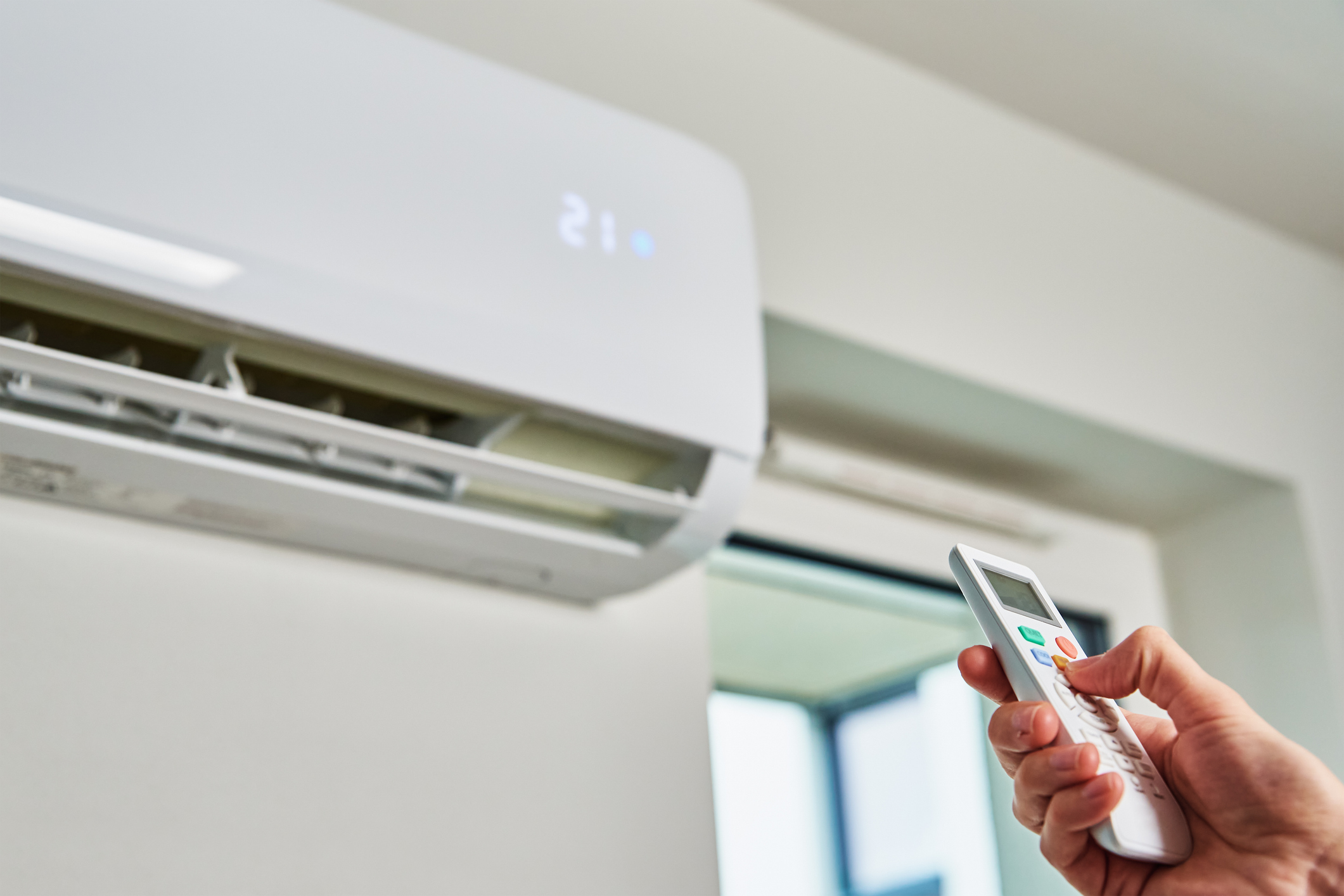
Air conditioning in Melton and Bacchus Marsh is no longer considered a luxury, but it is an essential component of a habitable property. But when an air conditioner breaks down in a rental property, the question of who is responsible for fixing it — and who pays — is one that regularly causes confusion and dispute between landlords and tenants.
Understanding the legal obligations on both sides of the landlord-tenant relationship is essential. Victorian law has been updated significantly in recent years through the Residential Tenancies Act 1997 (as amended), and the rules around repairs, maintenance, and habitability are more clearly defined than many people realise. This guide sets out what each party is responsible for and what to do when a dispute arises.
What Victorian Law Says About Rental Property Maintenance
The Residential Tenancies Act 1997, significantly reformed by the Residential Tenancies Amendment Act 2018 (which came into full effect in 2021), establishes minimum standards for rental properties in Victoria and clearly sets out the responsibilities of both landlords (rental providers) and tenants (renters). When it comes to heating and cooling, the law is more specific than many property managers and landlords appreciate.
Minimum Standards for Rental Properties
Victoria introduced minimum rental property standards that came into effect for new tenancy agreements from 29 March 2021 and applied to all tenancies from 29 March 2023. These standards address a range of habitability requirements including heating.
- Rental properties in Victoria must have a fixed heater in good working order in the main living area. This is a legal requirement — not a preference — and applies to all residential tenancy agreements.
- The heater must be a fixed unit — space heaters provided by the tenant do not satisfy this requirement. It must be installed and maintained by the rental provider.
- While the minimum standards specifically address heating, cooling is not currently mandated as a minimum standard in Victoria. However, this does not mean a landlord has no obligation regarding an existing air conditioner.
- If an air conditioning unit was present in the property at the start of the tenancy, the landlord is responsible for keeping it in good working order, even if cooling is not a legal minimum standard.
The Landlord’s Obligation to Maintain Provided Appliances
This is a point that is frequently misunderstood. In Victoria, if a landlord provides an appliance or fixture as part of the property — including an air conditioner — they are legally required to maintain it in good working order for the duration of the tenancy.
- Under Section 52 of the Residential Tenancies Act 1997, the rental provider must maintain the rented premises and all inclusions in good repair.
- “Inclusions” are defined as the fixtures, fittings, and appliances provided with the property. If an air conditioner is listed in the condition report at the start of the tenancy, it is an inclusion and the landlord’s responsibility to maintain.
- The landlord cannot simply remove an air conditioner that is present at the start of a tenancy without the tenant’s agreement — doing so could constitute a breach of the tenancy agreement.
- A landlord who fails to repair or maintain a provided air conditioner in a timely manner may be in breach of their obligations under the Act, which gives the tenant recourse through the Victorian Civil and Administrative Tribunal (VCAT).
What Is the Landlord Responsible For?
The landlord’s maintenance responsibilities are broad and extend beyond simply fixing things when they break down. Proper maintenance is an ongoing obligation, not a reactive one.
Repairs to the System
When an air conditioning system in a rental property breaks down or develops a fault that is not caused by the tenant’s misuse or negligence, the cost of repair is the landlord’s responsibility.
- Compressor failures, refrigerant leaks, fan motor failures, control board faults, and other mechanical or electrical breakdowns fall to the landlord to fix.
- If the system is beyond economical repair, the landlord is responsible for replacing it with a unit of comparable functionality, not simply leaving the property without functioning cooling in the middle of a summer heatwave.
- Urgent repairs — those that make the property unsafe or significantly reduce its habitability — must be attended to by the landlord within 24 hours if notified. In Victoria, heating and water heating failures are specifically listed as urgent repairs under the Act.
- Non-urgent repairs must be attended to within a reasonable timeframe, generally interpreted as 14 days from when the landlord is notified in writing.
Annual Servicing and Preventive Maintenance
Preventive maintenance of air conditioning systems in rental properties is an area where many landlords fall short of their obligations. Failing to service a system regularly shortens its lifespan, increases the risk of breakdown, and may affect the system’s safety.
- Annual servicing of split system and ducted air conditioning units — including coil cleaning, refrigerant level checks, electrical inspections, and drain line clearing — is considered best practice and part of the landlord’s obligation to maintain the system in good repair.
- Gas ducted heating systems should be serviced at least every two years, and more frequently in high-use properties, to ensure the heat exchanger and combustion components are safe and efficient.
- Evaporative cooling systems require annual servicing before summer, including pad replacement, pump inspection, and duct check — this is a landlord cost, not a tenant cost.
- A landlord who defers servicing to save money may ultimately face far greater repair costs when premature component failure results from lack of maintenance.
Carbon Monoxide Safety Testing for Gas Systems
Gas ducted heating systems carry a specific safety obligation that goes beyond comfort maintenance. Faulty gas appliances can produce carbon monoxide — a colourless, odourless gas that is dangerous at elevated concentrations indoors.
- Victoria’s rental regulations require landlords to ensure gas appliances in rental properties are maintained and serviced to a safe standard. Carbon monoxide testing of gas heating appliances is part of responsible landlord obligations.
- Gas ducted heaters with cracked or corroded heat exchangers can leak combustion products into the duct system, which is then circulated through the home. This is a life-safety issue, not a minor maintenance item.
- Landlords should ensure gas heating appliances are serviced by a licensed gas fitter who includes a carbon monoxide test as part of the service — and should retain records of these services.
What Is the Tenant Responsible For?
While the landlord carries the majority of maintenance obligations, tenants have specific responsibilities that, if neglected, can result in them being liable for damage caused by that neglect.
Cleaning Air Filters
Cleaning the air filter on a split system air conditioner is the one maintenance task that clearly falls to the tenant in most tenancy agreements and under general tenancy law obligations. It is a simple task that takes minutes and requires no tools or specialist knowledge.
- Most split system air conditioners have a washable plastic filter in the indoor unit that should be cleaned every four to six weeks during periods of regular use.
- A blocked filter reduces airflow, causes the unit to work harder, increases running costs, and can contribute to ice formation on the indoor coil or premature component failure.
- If a unit breaks down and the heating and cooling specialist Melton determines that a blocked filter was the cause or a contributing factor, the landlord may pursue the tenant for the cost of the repair call.
- Tenants should check the condition report and lease agreement at the start of the tenancy to confirm any specific filter maintenance obligations they have agreed to.
Reporting Faults Promptly
Tenants have an obligation under the Residential Tenancies Act to notify the landlord or property manager promptly when a fault or maintenance issue arises. Failing to report a fault, and continuing to use a malfunctioning system in a way that worsens the damage, can affect the tenant’s liability.
- All maintenance requests should be made in writing — via email or the property manager’s maintenance portal — so there is a clear record of when the fault was reported and what the response was.
- If the landlord does not respond within a reasonable time, the tenant should follow up in writing and, if necessary, escalate to Consumer Affairs Victoria or VCAT.
- For urgent repairs where the landlord cannot be reached or does not respond, the tenant may arrange the repair themselves and seek reimbursement — but only up to the urgent repairs limit set under the Act (currently $2,500 in Victoria).
Avoiding Damage Through Misuse
Tenants are responsible for using appliances in the property appropriately and in accordance with the manufacturer’s instructions. Damage caused by misuse, negligence, or failure to follow proper operating procedures is not the landlord’s responsibility to fix at no cost to the tenant.
- Running a split system at extreme settings continuously for extended periods in a way that clearly exceeds normal residential use could contribute to accelerated component wear.
- Blocking the return air grille or outdoor unit with furniture, storage, or vegetation interferes with the system’s airflow and can cause overheating and premature failure.
- Attempting to perform unauthorised repairs or modifications to the system — including attempting to regas a split system or access internal components — is both unsafe and a breach of tenancy obligations.
What Happens When There Is a Dispute?
Disputes over rental property maintenance are common, and the resolution process in Victoria is well-defined. Both parties have access to free dispute resolution through Consumer Affairs Victoria and, if needed, VCAT for binding determinations.
Steps for Tenants Whose Repairs Are Not Being Addressed
If you have reported an air conditioning fault in writing and the landlord is not responding or is refusing to carry out repairs, you have clear legal options available to you in Victoria.
- Contact Consumer Affairs Victoria and lodge a complaint. They can send a written notice to the rental provider requiring them to complete the repairs and can mediate the dispute.
- Apply to VCAT for a compliance order requiring the landlord to carry out the repairs, and potentially for compensation for any loss suffered as a result of the failure — such as costs incurred from a non-functional heating system during winter.
- Keep all written records of your communications, including the date the fault was first reported, any responses received, and any follow-ups you have sent.
Frequently Asked Questions
Can a landlord charge a tenant for an air conditioner service in a rental property?
Annual servicing of an air conditioner provided by the landlord is a landlord cost under the obligation to maintain inclusions in good repair. A landlord can only charge a tenant for repairs or maintenance costs where the tenant’s negligence or misuse directly caused the fault — and this must be demonstrable, not merely assumed.
Is a landlord required to install air conditioning in a rental property in Victoria?
Victoria’s minimum rental property standards do not currently mandate that landlords must install air conditioning — only a fixed heater in the main living area is required. However, if an air conditioner is present in the property at the start of the tenancy, the landlord must maintain it. If you are looking for a rental property with air conditioning, confirm it is listed on the condition report at the time of signing.
How long does a landlord have to fix an air conditioner in a rental property?
For non-urgent repairs, the general expectation under Victorian tenancy law is 14 days from the date of written notification. For urgent repairs — which include situations that make the property unsafe or substantially uninhabitable — the landlord must respond within 24 hours. Whether a failed air conditioner constitutes an urgent repair may depend on circumstances such as the age of the tenant, whether the failure occurred during extreme heat, or whether the property also lacks other means of cooling.
Can a tenant arrange their own air conditioner repair and claim it back?
In Victoria, a tenant can arrange urgent repairs themselves and seek reimbursement from the landlord up to $2,500 — but only after making a genuine attempt to contact the landlord or property manager and receiving no response. This provision applies to urgent repairs only. For non-urgent repairs, the tenant cannot simply engage their own contractor and expect the landlord to pay without prior agreement.
Conclusion
Understanding who is responsible for what in a rental property removes the uncertainty that leads to disputes, delays, and unnecessary stress. As a landlord, meeting your maintenance obligations protects your investment, keeps your tenants satisfied, and keeps you on the right side of Victorian law. As a tenant, knowing your rights means you can act with confidence when a system fails and you need a response.
At New Image Heating and Cooling Bacchus Marsh and Melton, we work with both landlords and property managers to keep rental property’s systems running safely and efficiently. Whether you need an annual service, an urgent repair, or a system replacement, we respond fast, price fairly, and provide the documentation you need. Call us on 0468 125 098 or get in touch via our online form for a free quote — we are ready to help.



