
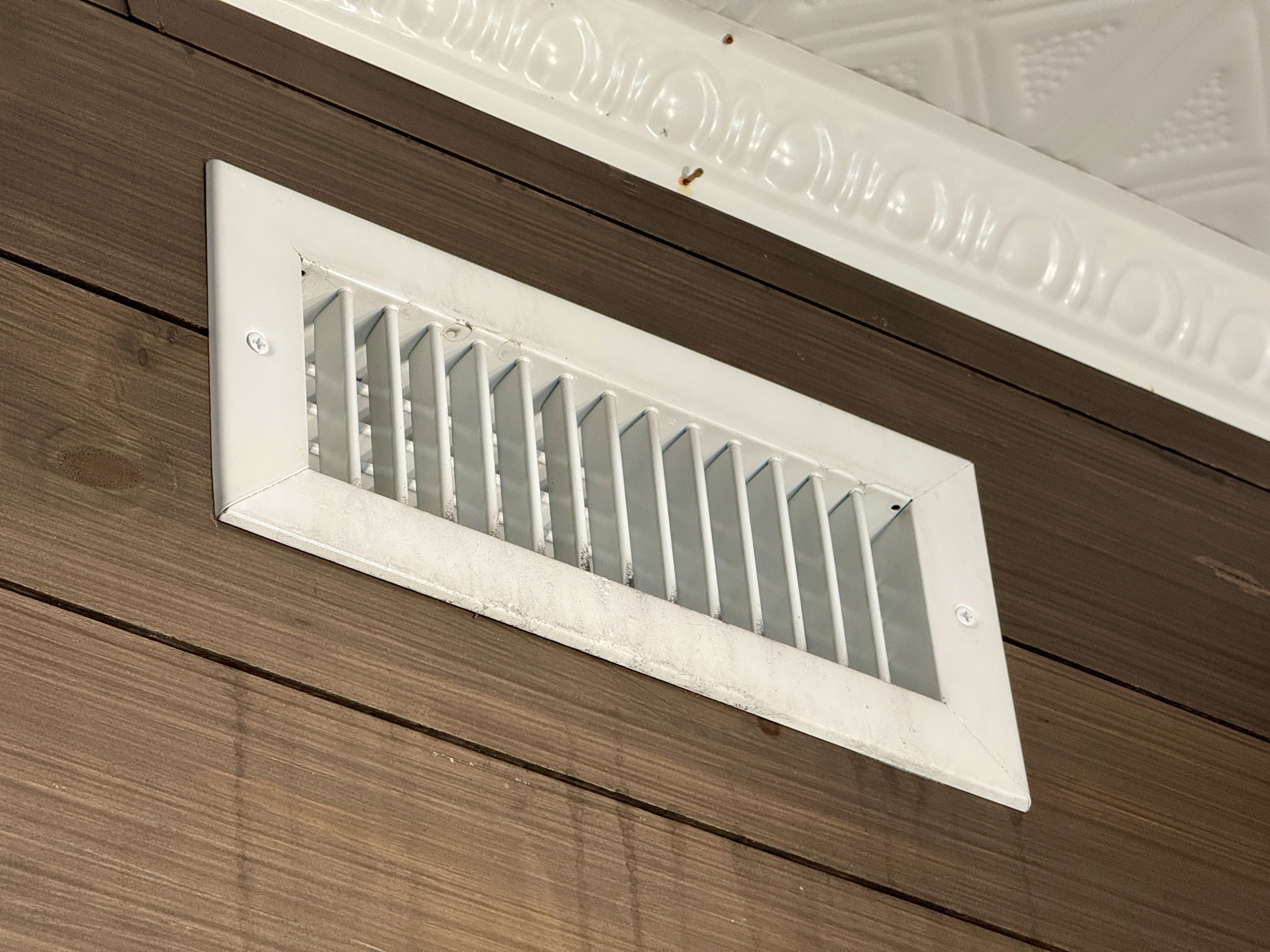
The first time you turn on the heating system Melton for winter, you might notice a smell. Sometimes it lasts a few minutes and disappears. Other times it persists, gets stronger, or comes with a smell that’s genuinely alarming. Knowing which category your smell falls into can be the difference between a simple fix and a serious safety situation. Here’s a breakdown of the most common heater smells and what they mean for homeowners.
The Dusty or Burning Smell at Season Start
This is the most common and least concerning heater smell. When a heating system sits idle through summer and autumn, dust accumulates on the heat exchanger, burners, and heat transfer surfaces. When the system fires up for the first time in the season, that dust burns off, producing a faintly acrid or dusty smell that typically dissipates within 15 to 30 minutes.
If the smell clears and doesn’t return, you don’t have a problem. If the dusty burning smell persists every time the system runs for weeks into the season, the heat exchanger or duct system has a significant accumulation that needs professional cleaning.
Musty or Mouldy Smell
A musty or mouldy smell coming from the vents indicates mould or mildew growth somewhere in the system. The most common locations are the return air filter housing, the duct system, or on the heat exchanger itself if condensation has been present.
In West Melbourne, Melton, and Bacchus Marsh, where homes often have older duct systems or have been closed up through humid periods, this is a relatively common finding. The concern beyond the smell is air quality. Mould spores being distributed through the duct system into every room are a respiratory health issue, particularly for children and anyone with asthma or allergies.
A musty smell warrants a professional inspection, filter replacement, and potentially duct cleaning depending on where the mould is located.
Sulphur or Rotten Egg Smell
This smell requires immediate action. Natural gas is odourless in its natural state, but gas suppliers add a sulphur compound (mercaptan) specifically so leaks can be detected by smell. A rotten egg or sulphur smell near or from your heating system means there may be a gas leak.
If you smell this:
- Do not turn any switches on or off.
- Do not use any appliances, including phones, inside the house.
- Open doors and windows to ventilate.
- Leave the building.
- Call your gas provider’s emergency line from outside.
Do not call a heating technician first. The gas provider needs to attend first to make the situation safe. Once the gas has been checked and the property is confirmed safe, a technician can investigate the heating system.
Electrical Burning or Hot Plastic Smell
A smell of burning plastic, hot rubber, or an electrical burning smell from the heating system is a serious warning sign. This typically indicates an electrical component overheating, insulation on wiring beginning to burn, or a component with a dry bearing generating friction heat.
Turn the system off immediately. Do not run it again until a technician has inspected the electrical components. Running the system with a burning electrical component risks a fire.
Metallic or Oily Smell
A metallic smell can indicate metal components heating up unevenly, which can occur with heat exchanger damage or cracking. An oily smell suggests lubricant burning off motor bearings, which typically happens when bearings are running dry or wearing out.
Both of these smells deserve professional investigation. The metallic smell in particular is worth taking seriously in older gas systems, as it can be associated with a cracked heat exchanger allowing combustion gases to mix with the circulated air.
Exhaust or Combustion Fumes Smell
If you can smell what seems like car exhaust or combustion fumes when the heater is running, this is a serious concern. In a properly functioning gas heating system, combustion products are exhausted to the outside via the flue. If you can smell them inside, the flue may be blocked, cracked, or incorrectly installed.
This is also associated with carbon monoxide risk. A blocked or compromised flue can allow carbon monoxide, an odourless and colourless gas, to enter the living space alongside the detectable combustion smell. Turn the system off, ventilate the house, and call a technician.
If anyone in the household is experiencing headaches, dizziness, or nausea while the heater has been running, seek medical attention immediately and call emergency services. These are symptoms of carbon monoxide exposure.
Conclusion
A heater smell that continues beyond the first start of the season, becomes stronger each time the system runs, or matches any of the warning signs above should not be ignored.
If you are unsure about a smell or it keeps coming back, it is safer to have the system checked by a qualified technician rather than continuing to run it. At New Image Heating & Cooling, we provide professional services for gas-ducted systems across West Melbourne and include a carbon monoxide check as part of every heating and cooling service Bacchus Marsh. For expert service, call 0468 125 098 or submit our online form.
Frequently Asked Questions
Is it normal for my heater to smell when I first turn it on for winter?
A brief dusty or burning smell for the first 15 to 30 minutes of the first use of the season is normal. Dust accumulated on the heat exchanger burns off. If the smell persists beyond the first use or gets stronger over time, it needs investigation.
What should I do if my heater smells like rotten eggs?
Treat it as a gas leak. Don’t touch any switches. Open doors and windows. Leave the building and call your gas provider’s emergency line from outside. Only after the gas has been declared safe should you contact a heating technician.
Can mould in my heating system make me sick?
Yes. Mould spores distributed through the duct system affect air quality throughout the home. This is particularly harmful for people with asthma, allergies, or respiratory conditions. A musty smell from the heating vents should be investigated and treated promptly.
What does carbon monoxide smell like?
Carbon monoxide is odourless and colourless, which is what makes it dangerous. You cannot smell it directly. However, if your heater has a compromised flue, you may smell other combustion products alongside the CO. This is why CO detectors are recommended in all homes with gas heating, and why professional heating servicing includes a CO check at the registers.
My heater smells like burning plastic. Can I keep running it?
No. A burning plastic or electrical smell indicates a component overheating. Running the system risks an electrical fire. Turn it off and call a technician to inspect the electrical components before using it again.



