
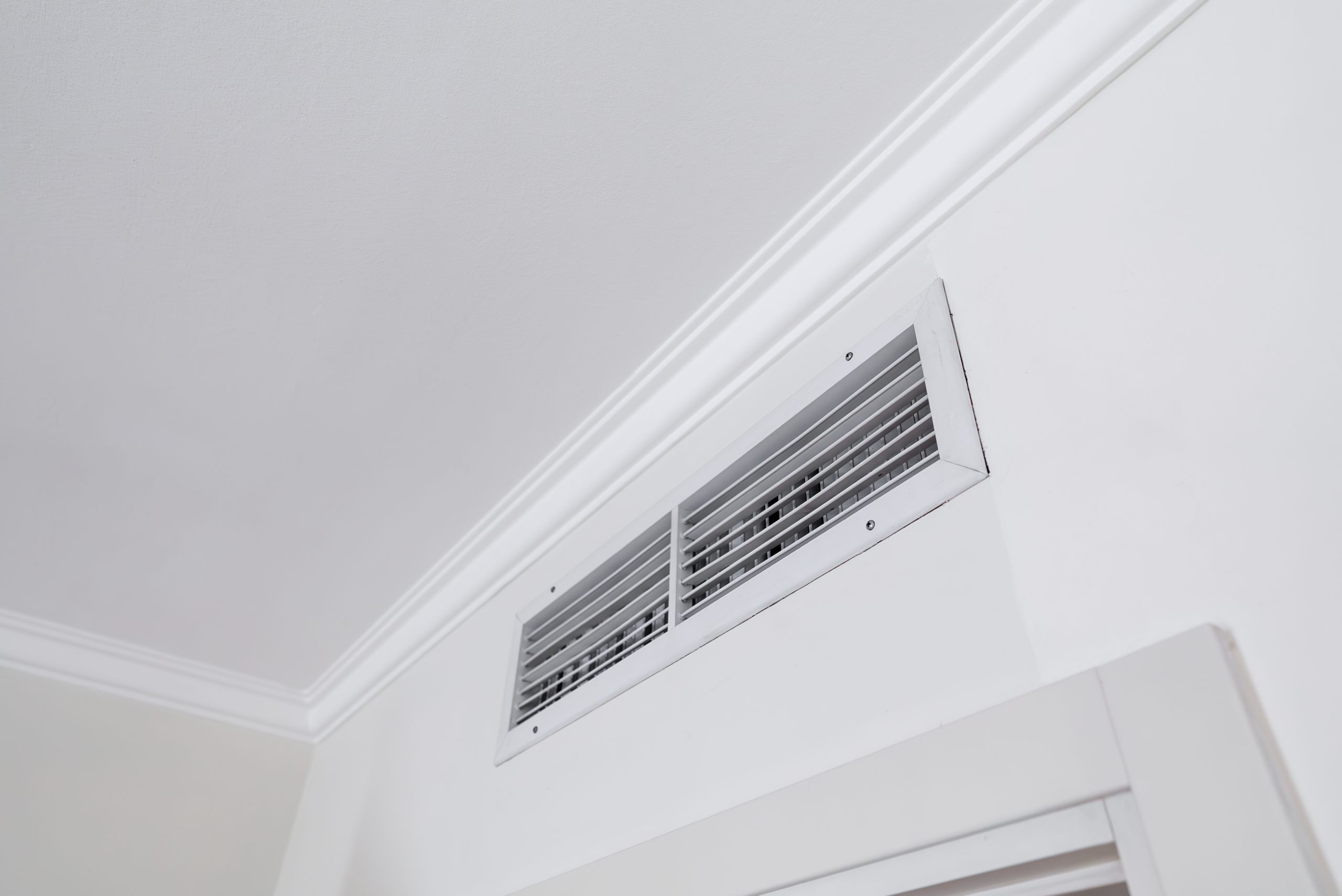
One of the most common complaints from ducted air conditioning in Melton and Bacchus Marsh is uneven cooling. The system is running, some rooms are comfortable, but certain rooms stay stubbornly warm no matter how long the system runs or how low the thermostat is set. This is almost never a case of “that’s just how it is.” Uneven cooling has identifiable causes and, in most cases, fixable solutions, often without a full system replacement. This guide covers every common cause of uneven ducted cooling, what to check yourself, and when to call a technician for a professional assessment.
Check the Basics First
Before assuming a system fault, spend two minutes confirming the obvious. These checks solve the problem more often than people expect.
- Are the vents open and unobstructed? Floor vents covered by rugs or furniture, and ceiling vents partially blocked by stored items in bedrooms, are surprisingly common causes of rooms that won’t cool. Remove obstructions before assuming a system fault
- Check the zone controller settings. A zone set to a high temperature setpoint, or accidentally switched off, will receive little or no conditioned air regardless of how hard the system runs. Confirm every zone you want cooled is set correctly
- Is the return air filter clean? A heavily clogged return air filter is one of the most common causes of rooms not cooling — pull it out and check before calling a technician
- Has the system been running long enough? On extreme heat days in Melton and Bacchus Marsh where temperatures can reach 40 degrees or above, even a correctly functioning and properly sized ducted system can take 90 minutes or more to bring the entire home to the set temperature, particularly if the house has been heating up all day with the system off
The Most Common Causes of Uneven Cooling
If the basics check out and the problem persists, one of the following is almost certainly the cause. Understanding which one applies to your situation is the starting point for an effective fix.
1. Duct Leaks
Leaking ductwork is the single most common cause of rooms that don’t cool in ducted systems, and it’s one of the most frequently overlooked. Conditioned air escapes into the ceiling cavity through tears, disconnected joints, or degraded duct material before it ever reaches the outlet vents in the room.
- Why it affects distant rooms most: The rooms at the end of longer duct runs are worst affected. By the time air travels the full length of a leaking duct, a significant proportion of the cooled air has been lost to the ceiling cavity. Rooms close to the indoor unit receive relatively good airflow; rooms at the far end of the house receive almost nothing
- Common causes in Melton and Bacchus Marsh: Flexible duct material degrades over time — typically 10 to 15 years of service — developing brittleness, tears, and joint failures. Ductwork is also frequently disturbed by other trades working in the roof space: solar panel installations, electrical upgrades, antenna work, and pest inspections all involve roof access and can result in ducts being accidentally crushed or disconnected
- Signs of duct leaks: Little or no airflow from specific vents, warm rooms despite the system running on full, and sometimes a noticeably cooler ceiling area directly above a room that receives no conditioned air
- What to do: A duct inspection by a technician can identify leak locations. Sealing minor leaks with appropriate duct tape or mastic is straightforward; sections of severely degraded flex duct need replacement. In homes where the ductwork is more than 15 years old and performance has been declining gradually, a full duct replacement delivers a dramatic improvement and is often more cost-effective than repeated patch repairs
2. Blocked or Clogged Return Air Filter
A heavily clogged return air filter restricts the volume of air moving through the indoor unit and the entire duct system. With reduced overall airflow, the indoor unit can’t deliver enough conditioned air to adequately serve all zones. The result is that rooms closest to the indoor unit — which receive airflow first and through shorter duct paths — feel comfortable, while rooms further away receive progressively less air and stay warm.
- How quickly filters clog: In Melton’s newer growth estates, where construction activity and open paddocks contribute higher-than-average dust and particle loads, filters can reach the point of significant restriction within 4 to 6 weeks during heavy summer use. The standard recommendation of changing filters every three months can be insufficient in these conditions
- What to do: Remove the return air filter and inspect it. If it’s visibly grey and matted with dust, clean or replace it before calling a technician. A clean filter that restores even cooling across all rooms confirms the filter was the cause. If uneven cooling persists after filter cleaning, the cause is something else on this list
- Prevention: Set a regular filter check reminder every 4 to 6 weeks during summer in Melton and Bacchus Marsh. This single habit prevents the most common ducted system service call
3. Faulty or Stuck Zone Dampers
Motorised zone dampers are the internal valves inside the ductwork that open and close to control airflow to each zone independently. They allow you to cool certain rooms while not wasting energy on unoccupied areas. When a damper develops a fault, it creates a specific and predictable pattern of uneven cooling.
- Stuck closed: A damper that sticks in the closed position means that zone receives no conditioned air, even when the zone controller shows it as active. The room stays warm regardless of how the system is set
- Stuck open: A damper that sticks in the open position means that zone receives full airflow at all times, even when it’s set to off. This starves other active zones of conditioned air, making them perform poorly
- How to identify a damper fault: A zone that consistently fails to cool, or a zone that can’t be turned off (you can hear airflow from vents even when the zone controller shows it as inactive), points directly to a damper fault
- What to do: Damper motor replacement or damper actuator repair is a standard technician job. It’s often a relatively inexpensive fix that restores proper zone control to the entire system
4. Undersized System for the Current Floor Plan
If a home has been extended, opened up, or renovated since the original ducted system was installed, the system may no longer have the capacity to adequately cool the current floor plan. The system was sized to handle a specific heat load — once that load increases significantly, it can’t keep up.
- Signs of an undersized system: The system runs continuously on hot days without reaching the set temperature, and this pattern has been consistent since a renovation or extension was completed. The rooms added in the extension are typically the worst performing
- Common renovation scenarios: Open-plan kitchen and living extensions, new bedrooms added to the rear of the home, garage conversions that connect to the main living area, or enclosed outdoor entertaining areas. Each of these adds significant cooling load that the original system was never calculated to handle
- What to do: A capacity assessment compares the system’s output against the home’s current heat load. Options include upgrading to a larger indoor and outdoor unit, adding a supplementary split system to the extension or high-demand areas, or improving the building envelope with additional insulation and external window shading to reduce the heat load without upgrading the system
5. Inadequate Duct Design or Airflow Imbalance
If some rooms have never cooled well — not since a recent change but since the system was first installed — the duct system may not have been designed or installed correctly from the start. Proper ducted system design requires careful calculation of airflow volumes per room based on room size, ceiling height, window area, and sun exposure. When this calculation is done incorrectly, the resulting duct system permanently undersupplies certain rooms.
- Signs of a design imbalance: Specific rooms have always been warmer than others, even when the system and ductwork are in good condition. The pattern is consistent year after year regardless of maintenance
- Common causes: Too few outlets for the room size, duct branches that are undersized for the required airflow, or a duct layout that doesn’t match the actual room configuration of the home. This also occurs when renovations added new duct branches without properly recalculating or adjusting the rest of the system
- What to do: A duct balancing assessment measures actual airflow at each register and identifies which rooms are receiving too much or too little. Fixes can include adding outlets, resizing duct branches, or adjusting damper settings to redistribute airflow more evenly across the home
6. High Solar Heat Load in Specific Rooms
In newer Melton and Bacchus Marsh estates where homes often feature large west-facing windows, open-plan living areas with extensive glazing, and limited external shading, some rooms may be absorbing solar heat faster than the air conditioning system can remove it — particularly during afternoon sun exposure in summer.
- Signs this is the cause: One room — typically a west-facing bedroom or living area — consistently struggles to cool on hot afternoons specifically, while the rest of the house is comfortable. The same room cools fine in the morning or evening
- Why the AC isn’t always the answer: A west-facing room with a large unshaded window on a 40-degree afternoon may be gaining heat faster than even a correctly sized ducted system can remove it. The system isn’t faulty — the building envelope is the issue
- Practical solutions: External blinds or awnings over west-facing windows make the single biggest difference. Reflective window film applied to the glass reduces heat gain. Quality internal blinds help but are significantly less effective than external shading. Ceiling insulation that is adequate for the climate zone (R3.5 or above) reduces radiant heat transfer from the roof on hot days
Conclusion
Uneven cooling in a ducted system is a solvable problem. But the fix depends entirely on correctly identifying the cause, and the six causes above require different responses. Sealing a leaking duct when the real problem is an undersized system doesn’t help. Replacing dampers when the issue is a dirty filter wastes money and time.
The fastest route to an evenly cooled home is a professional diagnosis that measures actual airflow, inspects the ductwork, checks the filter and zone dampers, and assesses system capacity against the home’s current heat load. That’s exactly what New Image Heating and Cooling Melton provides for ducted system owners.
Call us on 0468 125 098 or submit our onlne form to book a diagnostic visit. Same-day service is available when you book before noon — because a room that won’t cool isn’t a problem you want to sit with through another summer afternoon.
Frequently Asked Questions
Why does my ducted air conditioner cool some rooms but not others?
The most common causes are duct leaks allowing conditioned air to escape into the ceiling cavity before reaching the room, a blocked return air filter reducing overall system airflow, stuck zone dampers cutting off airflow to specific zones, or a system undersized for the current floor plan. The specific cause determines the fix, which is why a professional assessment with airflow measurement is far more effective than guessing. A technician can identify the actual cause in most cases within a single visit.
Can I fix uneven ducted cooling myself?
You can check and clean the return air filter yourself, confirm all zone vents are open and unobstructed, and verify your zone controller settings are correct. These three checks resolve the problem for a meaningful number of homeowners before any technician is involved. Beyond that, diagnosing duct leaks, damper faults, system capacity issues, and airflow imbalances requires a technician with the right measurement equipment and access to the duct system.
How do I know if my ducted system is undersized for my home?
If the system runs continuously on hot days without reaching the set temperature, and this pattern has been consistent since installation or since a home extension was completed, undersizing is the most likely explanation. An undersized system has no idle periods — it’s always running at full capacity and still can’t keep up on the hottest days. A technician can confirm this by assessing the system’s rated capacity against the home’s current heat load calculation, which accounts for floor area, ceiling height, insulation, window area, and local climate data.
Will adding more vents help cool a room that doesn’t get enough air?
Sometimes, but not always — and adding vents without first assessing the duct system can create new problems. If the existing duct branch to the room is undersized, adding another outlet on the same branch may not increase total airflow to the room significantly. If the system is already at its airflow capacity, adding vents draws air away from other zones rather than adding new capacity. A duct balancing assessment should be completed before any new outlets are added, to confirm the change will actually help rather than redistribute the existing problem elsewhere.
How long does it take to fix uneven cooling in a ducted system?
It depends entirely on the cause. A filter clean takes minutes and the improvement is immediate. Damper motor replacement or a damper actuator repair typically takes two to three hours on site. Sealing duct leaks takes a few hours depending on how many and where they are. Full duct replacement in a medium-sized home is a one to two day job. System capacity upgrades involving a new indoor unit vary by system. New Image Heating & Cooling will confirm the exact scope and timeframe when providing a quote after the diagnostic assessment.



