
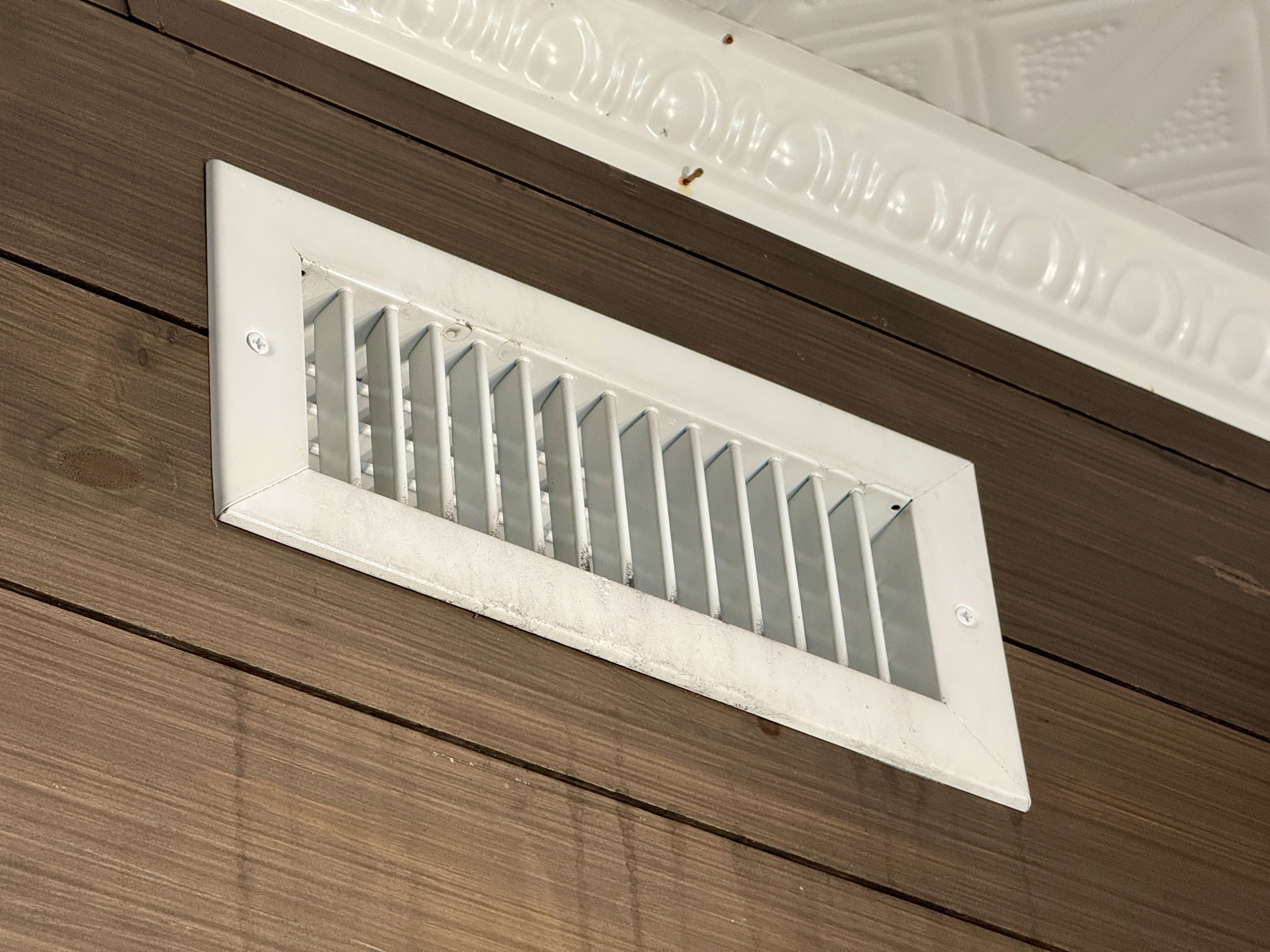
Weak airflow from ducted heating in Melton is one of those problems that creeps up gradually — so slowly that many homeowners don’t notice how much performance has degraded until they compare notes with a neighbour, or until a technician comments on it during a service call. The vents are blowing. The system is running. But the air movement is noticeably reduced, rooms are taking far longer to reach the set temperature, and some areas of the home feel barely affected by the heating at all.
For homeowners in West Melbourne, where winter mornings regularly drop to 3°C or below and a functioning heating system isn’t optional, a slow decline in ducted heating performance is a real comfort and cost problem. This guide breaks down all the common causes of weak airflow, explains how to diagnose which one applies to your system, and tells you what each cause means for your next step — whether that’s a DIY fix or a call to a heating and cooling specialist in Melton.
Start With the Filter. It’s the Most Common Cause
Before calling anyone or assuming the worst, check the return air filter. A heavily clogged filter is the single most common cause of reduced airflow across an entire ducted heating system, and it’s a problem that costs nothing to fix if you catch it early.
Where to Find the Return Air Filter
- The return air filter sits inside the return air grille — typically a large louvred grille in the hallway ceiling or occasionally in a wall near the furnace unit.
- In most Melton and Bacchus Marsh homes with ducted heating, there is one central return air grille that serves the entire system. Some larger homes have two.
- The filter slides out from behind the grille. No tools are needed in most installations.
How to Check and Clean It
- Hold the filter up to the light. If you cannot see clearly through the mesh, it is overdue for cleaning.
- A heavily loaded filter — one that’s almost fully blocked with dust and debris — dramatically increases the resistance the blower motor has to work against. The motor may still run, but significantly less air makes it through the system to the outlet vents.
- To clean, rinse under running water from the back face outward, pushing trapped debris out in the direction it entered rather than further into the mesh. Allow to dry completely before reinstalling.
- Never reinstall a damp filter: moisture in the filter creates conditions for mould growth and adds weight that further restricts airflow.
How Often to Clean in Melton and Bacchus Marsh
- In Melton’s newer growth estates, higher ambient dust levels from ongoing construction activity mean filters clog significantly faster than in established suburbs. Check and clean every four to six weeks during active heating use.
- In established Bacchus Marsh suburbs with lower dust levels, every six to eight weeks during active heating use is typically adequate.
- If you have indoor pets, check monthly — pet hair and dander are among the fastest ways to load up a return air filter.
- If airflow improves noticeably after cleaning the filter, the filter was the problem. If there’s no meaningful improvement, the cause lies elsewhere — continue through the sections below.
Other Common Causes of Weak Airflow
When a clean filter doesn’t resolve the problem, one or more of the following causes is likely responsible. The pattern of how the weak airflow presents — whether it’s all vents, specific zones, or specific rooms — helps narrow down where to look.
1. Collapsed, Kinked, or Disconnected Flex Duct
Flexible ductwork runs through the roof cavity to distribute heated air from the furnace to each room’s ceiling outlet. Over years of use — and with the comings and goings of tradespeople through the roof space — this ductwork is vulnerable to physical damage.
- A section of flex duct that has been crushed by someone walking through the roof cavity — a solar panel installer, an electrician, a roof plumber — significantly restricts or completely stops airflow to the rooms that duct run serves.
- Flex duct can also kink at tight bends in the roof cavity, particularly where a duct run has been routed around a beam or rafter. A kink behaves like a pinched hose — even a partial kink dramatically reduces the air volume that can pass through.
- Flex duct joints can also pull apart at fittings over time, particularly in older installations where the duct material has become brittle. A disconnected joint means heated air is being dumped into the ceiling cavity rather than delivered to the room.
- The key diagnostic clue: if weak airflow is confined to specific rooms or a specific area of the home rather than the whole house, a duct fault in the run serving those rooms is the most likely cause. If all vents are equally reduced, the problem is upstream — at the furnace, the blower, or the return air section.
- Duct deterioration is particularly common in older Melton and Bacchus Marsh homes where original flexible duct material has aged 15 or more years. Even without physical disturbance, old flex duct can partially collapse under its own weight.
2. Blocked or Stuck Zone Dampers
Zoned ducted heating systems use motorised dampers inside the ductwork to regulate airflow to each zone independently. The controller opens and closes these dampers based on which zones are active and what temperature they’re set to.
- When a zone damper fails in the partially or fully closed position, the zone downstream of that damper receives restricted airflow even when the controller shows it as active and calling for heat.
- The system runs normally in every other respect — the furnace fires, the blower runs, other zones heat normally — but the room with the stuck damper stays cold.
- Damper motors are electromechanical components with a finite service life. Failures typically become more common in systems that are 10 or more years old, particularly in dampers that cycle frequently.
- The diagnostic test: if weak airflow is limited to one zone while other zones are performing normally, a damper fault in the affected zone’s duct run is a strong candidate. A technician can confirm by measuring airflow at the affected vents and checking the damper motor’s electrical response.
3. Blower Motor Running Below Rated Speed
The blower motor is the heart of airflow through the entire duct system. It sits inside the furnace unit and drives the fan wheel that pushes air through all the duct runs to every room in the house. When the blower motor degrades, airflow drops across the entire system simultaneously.
- Worn motor bearings, a failing run capacitor, or progressive degradation of the motor windings can all cause the motor to continue running while delivering below its rated air volume.
- The system sounds like it’s operating normally — you hear the blower, the furnace fires, the thermostat cycles — but the air coming from the vents is noticeably less forceful than it used to be.
- Because the blower drives all zones simultaneously, reduced blower output typically presents as reduced airflow at all vents across the whole home, not just in specific rooms.
- The system also tends to run for longer heating cycles when the blower is underperforming, because the reduced air volume means less heat is delivered to the rooms per unit of time.
- A technician can confirm blower performance by measuring motor current draw and fan speed, and comparing them against the manufacturer’s rated specifications for that motor.
4. Dirty Heat Exchanger Restricting Airflow
In a gas ducted heating system, the heat exchanger is the metal component that transfers heat from the burner to the air stream without the combustion gases and the heated air ever mixing. Over time, fine particles that bypass the filter accumulate on the heat exchanger’s surface.
- A heat exchanger coated in dust and debris has reduced airflow passages, forcing the blower to work harder for less output — similar in effect to a partially clogged filter, but more difficult to address without professional service.
- A dirty heat exchanger also reduces the efficiency of heat transfer, meaning more gas is burned to achieve the same amount of heating — adding to running costs as well as reducing airflow.
- Heat exchanger cleaning should form part of a proper annual service. In Melton and Bacchus Marsh homes where the heating system runs heavily through a genuine winter, a system that hasn’t been serviced in two or more years may have meaningful heat exchanger build-up.
- Ask specifically about heat exchanger inspection when booking your next service, particularly if it’s been more than a year since the last professional clean.
5. Duct Leaks Losing Heated Air Before It Reaches the Vents
Duct leaks allow heated air to escape from the duct system into the roof cavity before it reaches the room outlet vents. The blower is working normally and the furnace is heating normally, but a proportion of that conditioned air is being delivered to the ceiling space rather than the rooms.
- Duct leaks typically occur at joints between flex duct sections, at connections between flex duct and rigid collars, or at the plenum connections at the furnace itself.
- The symptom at the vents is reduced airflow, often with the system running significantly longer than expected to achieve the set temperature — because it’s losing heat before the heat gets to where it’s needed.
- Rooms at the far end of longer duct runs are most severely affected, because a leak early in the run reduces the pressure available to push air all the way to the terminal outlets.
- Duct leakage is particularly common in systems where joints were sealed with tape rather than mastic during installation, as tape adhesive degrades over time in the temperature extremes of a roof cavity.
6. Incorrect or Accidentally Changed Zone Settings
Before concluding there is a mechanical fault, it’s always worth checking the zone controller settings. Modern zone controllers have more configuration options than older systems, and settings can occasionally be changed accidentally or misunderstood by family members.
- A zone set to a very high temperature threshold (essentially always calling for heat) or with its fan speed restricted in the settings will behave differently from normal operation.
- A zone that has been switched to “off” in the controller will receive little or no airflow regardless of how well the system itself is performing mechanically.
- Check that the affected rooms’ zones are active, set to an appropriate temperature, and that the zone fan settings haven’t been inadvertently modified. If the controller has been recently updated or the system has been serviced, confirm that zone assignments are still correct.
Diagnosing Weak Airflow: What the Pattern Tells You
The pattern in which weak airflow presents is your best diagnostic tool before calling a technician. Use this guide to narrow down where the fault is most likely to be.
Weak Airflow at All Vents Simultaneously
- Check the return air filter first — a heavily blocked filter reduces airflow across the whole system.
- If the filter is clean, suspect a blower motor running below rated speed, a dirty heat exchanger, or significant duct leakage at the supply plenum close to the furnace.
Weak Airflow in One Zone While Other Zones Are Fine
- Check zone controller settings first to confirm the zone is active.
- If settings are correct, suspect a zone damper stuck in the partially or fully closed position.
- Also inspect accessible flex duct runs serving that zone if you can safely access the roof cavity.
Weak Airflow in Specific Rooms (Not an Entire Zone)
- A duct fault is the most likely cause — collapsed, kinked, disconnected, or leaking flex duct in the run serving those specific rooms.
- Check whether the rooms share a duct run from the same branch point. If multiple rooms on the same branch are all weak, the fault is likely upstream in the shared portion of that run.
The True Cost of Ignoring Weak Airflow
Weak airflow is rarely a static problem. Left unaddressed, most of the causes described in this guide progressively worsen over time — and as they worsen, the financial cost compounds alongside the comfort impact.
What Happens When You Run a Restricted System
- A system working against a blocked filter or restricted ductwork runs its blower motor and furnace for longer to achieve the same heating result — or fails to achieve it at all, leaving rooms cold despite the system running continuously.
- Extended run times mean higher gas bills and higher electricity bills for the blower motor.
- A blower motor that’s continuously working against resistance runs hotter and wears out faster, shortening the service life of a component that typically costs several hundred dollars to replace.
- A system that overheats due to restricted airflow may trigger safety limit switches, causing unexpected shutdowns. Repeated limit switch trips can damage the switch itself and, in gas systems, may mask early-stage heat exchanger problems that are a safety concern.
Conclusion
Weak airflow from your ducted heating vents is a problem with a real solution — and in most cases, it’s a straightforward one once the cause is correctly identified. The challenge is that correct identification requires more than a visual check. It means measuring airflow at the vents, inspecting the duct runs in the roof cavity, testing the blower motor, and checking the zone dampers. That’s the kind of systematic diagnostic work that distinguishes a genuine repair from a guess that may or may not fix the problem.
New Image Heating and Cooling in Bacchus Marsh and Melton carries out thorough ducted heating diagnostics. We check the filter, the blower, the heat exchanger, the zone dampers, and the duct runs. We measure airflow at the registers. We tell you exactly what’s causing the problem, what the fix involves, and what it will cost — before we start any work. No surprises.
Call 0468 125 098 to book a ducted heating diagnostic. Book before noon for guaranteed same-day service. Don’t head into the coldest months of winter with a heating system that’s working at half capacity.
Frequently Asked Questions
Why is the airflow from my heating vents weak even though the system is running?
The most common causes are a heavily clogged return air filter, collapsed or kinked sections of flexible ductwork in the roof cavity, a zone damper stuck in the partially or fully closed position, or a blower motor running below its rated output speed. Start by removing and checking the return air filter. If it’s clogged, clean and dry it and reinstall. If airflow doesn’t improve after the filter is clean, the cause is elsewhere in the system and a professional diagnostic is the next step.
Is weak airflow at all vents different from weak airflow at specific vents?
Yes, and the pattern points to different causes. Weak airflow at all vents simultaneously typically indicates a problem upstream that affects the whole system — a blocked filter, a degraded blower motor, a dirty heat exchanger, or significant leakage at the supply plenum. Weak airflow limited to specific rooms or a single zone suggests a localised fault — a duct problem or a stuck zone damper in the run serving those particular areas. The pattern is your most useful diagnostic tool before a technician arrives.
How often should I clean my ducted heating filter?
Every four to six weeks during active heating use in Melton’s growth corridor suburbs, where ongoing construction activity creates higher ambient dust levels than in established areas. In Bacchus Marsh and established Melton suburbs, every six to eight weeks is typically adequate. If you have pets indoors, check monthly regardless of location — pet hair loads filters much faster than household dust alone. Always allow the filter to dry completely after washing before reinstalling.
Can duct leaks cause weak airflow at the vents?
Yes. When heated air escapes through leaks in the duct joints or connections — particularly at poorly sealed flex duct fittings or at the supply plenum — less air reaches the outlet vents. The blower may be operating normally, but a proportion of the air it’s moving is being delivered into the roof cavity rather than the rooms. Rooms at the far end of longer duct runs are typically most affected, as lower duct pressure at distance amplifies the effect of leakage earlier in the run.
How do I know if my ducted heating blower motor is failing?
Common signs include airflow that feels weaker across all vents compared to previous winters, the system running for significantly longer heating cycles to achieve the same set temperature, and unusual noises from the furnace — particularly grinding, squealing, or a humming that changes in tone during operation. A technician can confirm blower performance by measuring motor current draw and fan speed under load, and comparing against the manufacturer’s rated specifications. Catching a failing motor early typically means a capacitor or motor replacement rather than a full furnace replacement.
Is it worth servicing my ducted heating system every year?
Yes. In Melton and Bacchus Marsh, where ducted heating runs heavily through genuine winters with regular sub-5°C overnight temperatures, an annual service before the heating season is the recommended minimum. A proper service includes heat exchanger inspection, burner cleaning, blower motor check, filter clean, flue condition check, and gas pressure verification — all of which contribute to both safe operation and maximum heating efficiency. Catching a minor issue (a slightly restricted heat exchanger, early-stage bearing wear in the blower motor, a slow condensate drain) during a service costs far less than the repair after it becomes a breakdown on a cold winter morning.



